Showing posts with label genetics. Show all posts

Sunday, June 17, 2018

2946. Men Are Different; Here Is "Y"

By Natalie Angier, The New York Times, June 12, 2018

In advance of Father’s Day, let’s take a moment to sort out the differences and similarities between “Dad jeans” and “Dad genes.”

Dad jeans are articles of sex-specific leisure clothing, long mocked for being comfy, dumpy and elastic-waisted but lately reinvented as a fashion trend, suitable for male bodies of all shapes and ages.

Dad genes are particles on the sex-specific Y chromosome, long mocked for being a stunted clump of mostly useless nucleic waste but lately revealed as man’s fastest friend, essential to the health of male bodies and brains no matter the age.

Yes, dear fathers and others born with the appurtenances generally designated male. We live in exciting times, and that includes novel insights into the sole chromosomal distinction between you and the women now prowling the aisles at the hardware store. (“Didn’t he say he could use a new bow saw? Or some halogen light bulbs?”)

Researchers have discovered that, contrary to longstanding assumptions, the Y chromosome is not limited to a handful of masculine tasks, like specifying male body parts in a developing embryo or replenishing the sperm supply in an adult man.

New evidence indicates that the Y chromosome participates in an array of essential, general-interest tasks in men, like stanching cancerous growth, keeping arteries clear and blocking the buildup of amyloid plaque in the brain.

As a sizable percentage of men age, their blood and other body cells begin to spontaneously jettison copies of the Y chromosome, sometimes quickly, sometimes slowly. That unfortunate act of chromosomal decluttering appears to put the men at a heightened risk of Alzheimer’s disease, leukemia and other disorders.

“I’m quite certain,” said Lars Forsberg, an associate professor of medical genetics at Uppsala University in Sweden, “that the loss of the Y chromosome with age explains a very large proportion of the increased mortality in men, compared to women.”

Other researchers are tracing the evolution of the Y chromosome and comparing the version found in modern men with those of our close relatives, both living and extinct.  

Takeaway A: We can drop the man-equals-caveman caricature.  Although human DNA has been found to contain vestiges of our dalliances with Neanderthals from about 50,000 years ago, none of those genomic imprints are on the human Y chromosome.

By the look of it, something specific to the Neanderthal Y chromosome ultimately proved inimical to human health and survival, and so any trace of the Neanderthal Y chromosome was ejected from the human gene pool like a poorly matched kidney.

The immune system analogy may be particularly apt. Fernando Mendez, a geneticist, and his colleague Carlos Bustamante of Stanford University reported that one of the notable differences between the human and Neanderthal Y chromosomes lies in a gene linked to transplant rejection.

Whatever the reason for the purification of the human Y over time, women’s equivalent X chromosome does not appear to have been similarly cleansed, with the result that women on average may be slightly more Neanderthal than men, which could explain our comparative fondness for animal print shoes.

Yes, but apercu B: Hang on to the gorilla suit. From a global genomic perspective, our closest living relative is the chimpanzee, followed by the gorilla. When it comes to the Y chromosome, however, humans look considerably more Magilla than Bonzo.

Kateryna Makova, director of the Center for Medical Genomics at Penn State University, and her colleagues recently determined that if you line up a man’s Y chromosome with a chimpanzee’s, only about 70 percent of the two spans will stick together. Align a human Y with a gorilla’s, and 83 percent of the paired chromosomes will comfortably conjoin.
Looking at nine distinct sets of genes that have been identified on the human Y chromosome, Dr. Makova said, “eight of them are shared with the gorilla, while only six gene families are shared with the chimpanzee. It’s very surprising.”

The researchers propose that the observed patterns could be the result of mating practices. Among gorillas, fertile females generally mate with one male at a time — the local silverback. Women, too, are mostly, though by no means unerringly, monogamous.

By contrast, female chimpanzees mate wildly and promiscuously during each ovulatory cycle. As a rule, female promiscuity promotes sperm competition among males, and because the Y chromosome oversees sperm production, Dr. Makova said, the chimpanzee Y is likely evolving at hyperspeed to keep up.

David Page of the Whitehead Institute in Cambridge, Mass., a world authority on the male sex chromosome who could well be called the Y Guy, believes the Y and the X “each deserve a full novel of their own.”

Whether in the double-X format that specifies a female fetus, or the X and Y pair found in males, the sex chromosomes stand apart from the other 22 normal chromosome pairs, or autosomes, that constitute the complete human genome and that are stuffed into nearly every cell nucleus of the body.  

That tendency toward molecular aloofness led to the initial designation of the female chromosome as “X,” for strange or unknown; the Y was simply named for the next letter in the alphabet.

The Y chromosome is a true chromosomal outlier, holding a fraction of the number of genes found on all the other chromosomes, including the X. Its genetic impoverishment is a legacy of its role in sex determination.

Among our pre-mammalian forebears, an offspring’s sex was dictated as it is today in crocodiles and turtles: not by genetics, but by temperature.

Among turtles, if an egg develops in warm conditions, the embryo turns female. If it’s cooler outside, the embryo becomes male.

But with the rise of internal gestation and its uniform weather conditions, embryos needed another clue for sex development.  That demand led to the evolution of the male sex determination gene, called sry, and the related need to keep the male and female genetic programs segregated.

As a result, the Y chromosome on which sry was located could no longer freely recombine and swap its pieces with its corresponding X chromosome, as the other chromosomal pairs do to freshen things up whenever a new egg or sperm cell is created.

Lacking the standard repair system of chromosomal recombination, genes on the Y chromosome began to decay and were eventually tossed out or reassigned to other chromosomes.

“The erection of ‘trade barriers’ allowed X and Y to follow divergent paths,” Dr. Page said. “The X chromosome could continue to recombine with another X chromosome in the making of eggs, but the Y chromosome followed an isolationist strategy, which led to its rapid decline.”  

It’s not total isolationism: The tips of the X and Y chromosome can still swap pieces, but most of Y is off limits to trans-chromosomal barter and amendments.
“There’s a striking loneliness to the Y chromosome,” said George Vassiliou of the Wellcome Trust Sanger Institute and Cambridge University.

Nevertheless, the Y still has powers to divulge. After speculation in the 1990s that the Y chromosome was still shrinking and might someday vanish altogether — leaving who knows what sex determination protocol in its wake — scientists are now confident the chromosomal attrition has ended.  

“It’s dynamic but stable,” said Melissa Wilson Sayres, who studies sex chromosomes at Arizona State University. “It may lose a gene or two, but it may also gain sequences. It’s not a dead end.”

Moreover, new research indicates that the Y chromosome can patch up some internal problems without benefit of free trade and recombination with the X — by shuffling around duplicate copies of genes on its own lonely span.

The Y also holds a host of genes that have yet to be fully appreciated or understood.
Dr. Vassiliou and his colleagues reported last month on a Y-specific gene called UT-Y that protects against leukemia in mice and likely performs a similar role in men. The chromosome more generally is committed to its bearer’s health and persistence.

Dr. Forsberg of Uppsala University and his colleague Jan Dumanski have published a series of papers about the phenomenon called L.O.Y., or loss-of-Y, in which men’s blood and other cells mysteriously start shedding their Y chromosomes with age.

Smoking hastens the depletion of the Y chromosome in men’s blood cells, the researchers have found. Men with a high percentage of Y-free cells — 10 percent or more — are at a heightened risk of dying in the near future, compared with similarly aged men whose cells have hung onto their Y’s.

And men with Alzheimer’s disease are more likely to be L.O.Y. men than are their non-demented cohorts.

The researchers propose that a weakening of the immune system may explain the many perils of L.O.Y. When white blood cells that serve as immune sentries lose their Y chromosome, Dr. Dumanski said, their surveillance skills falter.

They fail to clean up messes on arterial walls or to spot cancer cells in need of destruction. They allow plaques and tangles to accrete in the brain.

Dr. Dumanski admitted that the association between the loss of Y and disease has yet to be definitively proved, and that much remains to be understood about what’s driving the chromosomal loss in blood cells and how it might be stopped.

“It’s still early, and there’s still a lot of skepticism,” he said. “It will take a couple more years before the idea is widely accepted, but we are quite convinced ourselves that we are right.”

At which he laughed — and admitted his extreme self-confidence could well be the result of the Y chromosome that made him a man.

Friday, April 20, 2018

2885. Environmental 'Memories' Passed on for 14 Generations

By phys.org, April 20, 2017
C. elegans worm. Credit: Adam Klosin, CRG
Scientists at the Centre for Genomic Regulation (CRG) in Barcelona and the Josep Carreras Leukaemia Research Institute and The Institute for Health Science Research Germans Trias i Pujol (IGTP) in Badalona, Spain, have discovered that the impact of environmental change can be passed on in the genes of tiny nematode worms for at least 14 generations—the most that has ever been seen in animals. The findings will be published on Friday, April 21, in the journal Science.
Led by Dr Ben Lehner, group leader at the EMBL-CRG Systems Biology Unit and ICREA and AXA Professor, together with Dr Tanya Vavouri from the Josep Carreras Leukaemia Research Institute and the Institute for Health Science Research Germans Trias i Pujol (IGTP), the researchers noticed that the impact of  can be passed on in the genes for many generations while studying C. elegans worms carrying a  array - a long string of repeated copies of a gene for a  that had been added into the worm genome using genetic engineering techniques.
If the worms were kept at 20 degrees Celsius, the array of transgenes was less active, creating only a small amount of fluorescent protein. But shifting the  to a warmer climate of 25 degrees significantly increased the activity of the transgenes, making the animals glow brightly under ultraviolet light when viewed down a microscope.
When these worms were moved back to the cooler temperature, their transgenes were still highly active, suggesting they were somehow retaining the 'memory' of their exposure to warmth. Intriguingly, this high activity level was passed on to their offspring and onwards for 7 subsequent generations kept solely at 20 degrees, even though the original animals only experienced the higher temperature for a brief time. Keeping worms at 25 degrees for five generations led to the increased transgene activity being maintained for at least 14 generations once the animals were returned to cooler conditions.
Although this phenomenon has been seen in a range of animal species - including fruit flies,  and mammals including humans - it tends to fade after a few generations. These findings, which will be published on Friday 21st April in the journal Science, represent the longest maintenance of transgenerational environmental 'memory' ever observed in animals to date.
"We discovered this phenomenon by chance, but it shows that it's certainly possible to transmit information about the environment down the generations," says Lehner. "We don't know exactly why this happens, but it might be a form of biological forward-planning," adds the first author of the study and CRG Alumnus, Adam Klosin. "Worms are very short-lived, so perhaps they are transmitting memories of past conditions to help their descendants predict what their environment might be like in the future," adds Vavouri.
Comparing the transgenes that were less active with those that had become activated by the higher temperature, Lehner and his team discovered crucial differences in a type of molecular 'tag' attached to the proteins packaging up the genes, known as histone methylation.
Transgenes in animals that had only ever been kept at 20 degrees had high levels of histone methylation, which is associated with silenced genes, while those that had been moved to 25 degrees had largely lost the methylation tags. Importantly, they still maintained this reduced histone methylation when moved back to the cooler temperature, suggesting that it is playing an important role in locking the memory into the transgenes.
The researchers also found that repetitive parts of the normal worm genome that look similar to transgene arrays also behave in the same way, suggesting that this is a widespread memory mechanism and not just restricted to artificially engineered genes.

Friday, March 30, 2018

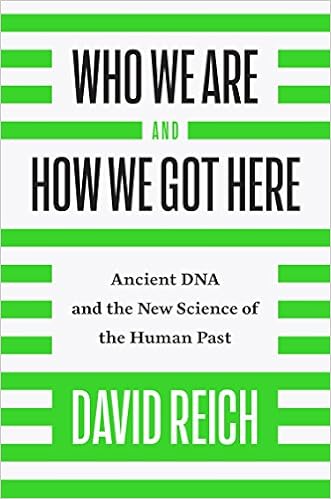
2864. How Not To Talk About Race and Genetics: A Response to David Reich's "Who We Are, and How We Got Here"

Buzzfeed, March 30, 2018

Editor's note:  David Reich's essay in The New York Times was republished here as "How Genetics Is Changing Our Understanding of 'Race'." Below is an open letter signed by 68 scientists and researchers who take issue with Reich's view more fully explained in his book "Who We Are and How We Got Here."  The full list of signers appear below.  March 30, 2018. KN. 


*    *    *


In his newly published book Who We Are and How We Got Here, geneticist David Reich engages with the complex and often fraught intersections of genetics with our understandings of human differences — most prominently, race.
He admirably challenges misrepresentations about race and genetics made by the likes of former New York Times science writer Nicholas Wade and Nobel Laureate James Watson. As an eminent scientist, Reich clearly has experience with the genetics side of this relationship. But his skillfulness with ancient and contemporary DNA should not be confused with a mastery of the cultural, political, and biological meanings of human groups.
As a group of 68 scholars from disciplines ranging across the natural sciences, medical and population health sciences, social sciences, law, and humanities, we would like to make it clear that Reich’s understanding of "race" — most recently in a Times column warning that “it is simply no longer possible to ignore average genetic differences among ‘races’” — is seriously flawed.
For centuries, race has been used as potent category to determine how differences between human beings should and should not matter. But science and the categories it constructs do not operate in a political vacuum. Population groupings become meaningful to scientists in large part because of their social and political salience — including, importantly, their power to produce and enforce hierarchies of race, sex, and class.
Reich frames his argument by positing a straw man in the form of a purported orthodoxy that claims that “the average genetic differences among people grouped according to today's racial terms are so trivial when it comes to any meaningful biological traits that those differences can be ignored.” That orthodoxy, he says, “denies the possibility of substantial biological differences among human populations” and is “anxious about any research into genetic differences among populations.”
This misrepresents the many scientists and scholars who have demonstrated the scientific flaws of considering “race” a biological category. Their robust body of scholarship recognizes the existence of geographically based genetic variation in our species, but shows that such variation is not consistent with biological definitions of race. Nor does that variation map precisely onto ever changing socially defined racial groups.
Reich critically misunderstands and misrepresents concerns that are central to recent critiques of how biomedical researchers — including Reich — use categories of “race” and “population.”
For example, sickle cell anemia is a meaningful biological trait. In the US it is commonly (and mistakenly) identified as a “black” disease. In fact, while it does have a high prevalence in populations of people with West and Central African ancestry, it also has a high prevalence in populations from much of the Arabian Peninsula, and parts of the Mediterranean and India. This is because the genetic variant that causes sickle cell is more prevalent in people descended from parts of the world with a high incidence of malaria. “Race” has nothing to do with it. Thus, it is simply wrong to say that the higher prevalence of sickle cell trait in West African populations means that the racial category “black” is somehow genetic.
The same thing goes for the people descended from West African populations whom Reich examined in his work on prostate cancer. These people may have a higher frequency of a version of a particular gene that is linked to a higher risk of prostate cancer. But lots of people not from West Africa also have this same gene. We don’t call these other people a “race” or say their “race” is relevant to their condition. Finding a high prevalence of a particular genetic variant in a group does not make that group a “race.”
Human beings are 99.5% genetically identical. Of course, because the human genome has 3 billion base pairs, that means any given individual may differ from another at 15 million loci (.5% of 3 billion). Given random variation, you could genotype all Red Sox fans and all Yankees fans and find that one group has a statistically significant higher frequency of a number of particular genetic variants than the other group — perhaps even the same sort of variation that Reich found for the prostate cancer–related genes he studied. This does not mean that Red Sox fans and Yankees fans are genetically distinct races (though many might try to tell you they are).
In short, there is a difference between finding genetic differences between individuals and constructing genetic differences across groups by making conscious choices about which types of group matter for your purposes. These sorts of groups do not exist “in nature.” They are made by human choice. This is not to say that such groups have no biological attributes in common. Rather, it is to say that the meaning and significance of the groups is produced through social interventions.
In support of his argument for the biological relevance of race, Reich also writes about genetic differences between Northern and Southern Europeans. Again, this should not be an argument for the biological reality of race. Of course, we could go back to the early 20th century when many believed that the “industrious” Northern Teutons were a race distinct from the “slothful” Southern Europeans. Such thinking informed the creation of racially restrictive immigration laws in 1924, but we think even Reich would not consider this sort of thinking useful today.
Instead, we need to recognize that meaningful patterns of genetic and biological variation exist in our species that are not racial.
Reich’s claim that we need to prepare for genetic evidence of racial differences in behavior or health ignores the trajectory of modern genetics. For several decades billions of dollars have been spent trying to find such differences. The result has been a preponderance of negative findings despite intrepid efforts to collect DNA data on millions of individuals in the hope of finding even the tiniest signals of difference.
To challenge Reich’s claims is not, as he would have it, to stick our heads in the sand. It is to develop a more sophisticated approach to the problem of human group categorization in the biomedical sciences.
Precisely because the problems of race are complex, scientists need to engage these issues with greater care and sophistication. Geneticists should work in collaboration with their social science and humanities colleagues to make certain that their biomedical discoveries make a positive difference in health care, including the care of those studied.
This is not to say that geneticists such as Reich should never use categories in their research; indeed, their work would be largely impossible without them. However, they must be careful to understand the social and historical legacies that shape the formation of these categories, and constrain their utility.
Even "male" and "female," which Reich invokes as obviously biologically meaningful, has important limitations. While these categories help us to know and care for many human beings, they hinder our capacity to know and care for the millions of human beings born into this world not clearly "sexed.’ Further, overemphasizing the importance of the X and Y chromosomes in determining sex prevent us from seeing the other parts of the genome involved in sex.
While focusing on groups with a high incidence of a particular condition may help researchers identify genetic variants that might correlate to the condition, it must also be understood that all genetic contributions to physical traits, including disease, are always influenced by environmental factors.
For example, an ancestral gene may not have ever contributed to disease risk in its former environment, but now does when individuals carrying it are differentially exposed to harmful environments. This raises the question of whether it is more efficacious to remove the environmental insult or alter the individual’s physiology by medical intervention (or both).
Making claims about the existence of biological races won’t help answer questions about health, like how the health of racialized groups is harmed by racial discrimination — how it increases the risk of disease, the risk of exposure to environmental toxins, or the risk of inadequate and inappropriate health care.
This doesn’t mean that genetic variation is unimportant; it is, but it does not follow racial lines. History has taught us the many ways that studies of human genetic variation can be misunderstood and misinterpreted: if sampling practices and historical contexts are not considered; if little attention is given to how genes, environments, and social conditions interact; and if we ignore the ways that sociocultural categories and practices shape the genetic patterns themselves.
As scholars who engage with social and scientific research, we urge scientists to speak out when science is used inappropriately to make claims about human differences. The public should not cede the power to define race to scientists who themselves are not trained to understand the social contexts that shape the formation of this fraught category. Instead, we encourage geneticists to collaborate with their colleagues in the social sciences, humanities, and public health to consider more carefully how best to use racial categories in scientific research. Together, we can conduct research that will influence human lives positively.

Jonathan Kahn, James E. Kelley Professor of Law, Mitchell Hamline School of Law
Alondra Nelson, Professor of Sociology and Gender Studies, Columbia University; President, Social Science Research Council
Joseph L. Graves Jr., Associate Dean for Research & Professor of Biological Sciences, Fellow of the American Association for the Advancement of Science, Section G: Biological Sciences, Joint School of Nanoscience & Nanoengineering, North Carolina A&T State University, UNC Greensboro
Sarah Abel, Postdoc, Department of Anthropology, University of Iceland
Ruha Benjamin, Associate Professor, Department of African American Studies, Princeton University
Sarah Blacker, Postdoctoral Research Fellow, Max Planck Institute for the History of Science, Berlin
Catherine Bliss, Associate Professor, Social and Behavioral Sciences, UC San Francisco
Lundy Braun, Professor of Medical Science and Africana Studies, Brown University
Khiara M. Bridges, Professor of Law, Professor of Anthropology, Boston University
Craig Calhoun, President of Berggruen Institute Centennial Professor, London School of Economics.
Claudia Chaufan, Associate Professor, York University Toronto
Nathaniel Comfort, Professor, Institute of the History of Medicine, The Johns Hopkins University
Richard Cone, Professor of Biophysics, Johns Hopkins University
Richard Cooper, Department of Public Health Sciences, Loyola University Medical School
Marcy Darnovsky, Executive Director, Center for Genetics and Society
Robert Desalle, Curator, Institute for Genomics, American Museum of Natural History
Troy Duster, Chancellor’s Professor Emeritus, University of California, Berkeley
Anne Fausto-Sterling, Professor of Biology Emerita, Brown University, Fellow of the American Association for the Advancement of Science
Agustin Fuentes, The Edmund P. Joyce C.S.C. Professor of Anthropology, University of Notre Dame
Joan H. Fujimura, Professor, Department of Sociology and Holtz Center for Research on Science, Technology, Medicine, and the Environment, University of Wisconsin-Madison
Stephanie Malia Fullerton, Associate Professor, Department of Bioethics & Humanities, University of Washington
Duana Fullwiley, Associate Professor of Medical Anthropology, Stanford University.
Omer Gokcumen, Assistant Professor, University at Buffalo
Alan Goodman, Professor of Biological Anthropology. Hampshire College
Monica H. Green, Professor of History, School of Historical, Philosophical, and Religious Studies, Arizona State University
Erika Hagelberg, Professor, Department of Biosciences, University of Oslo
Evelynn Hammonds, Barbara Gutmann Rosenkrantz Professor of the History of Science, Harvard University
Helena Hansen, Assistant Professor of Anthropology and Psychiatry, New York University
John Hartigan Jr., Professor of Anthropology, University of Texas, Austin.
Anthony Hatch, Associate Professor, Science in Society Program, Sociology, and African American Studies, Wesleyan University
Torsten Heinemann, Professor of Sociology and Chair of Technology and Diversity, RWTH Aachen University, Germany
Jay Kaufman, Canada Research Chair in Health Disparities and Professor of Epidemiology, McGill University.
Trica Keaton, Associate Professor, African and African American Studies, Dartmouth College
Terence Keel, Associate Professor, Department of Black Studies and Department of History, University of California, Santa Barbara
Nancy Krieger, Professor of Social Epidemiology, American Cancer Society Clinical Research Professor, Harvard T.H. Chan School of Public Health
Sheldon Krimsky, Lenore Stern Professor of Humanities and Social Sciences, Tufts University
Jon Røyne Kyllingstad, Associate Professor of History, University of Oslo
Catherine Lee, Associate Professor of Sociology, Rutgers University
Ageliki Lefkaditou, Postdoctoral Researcher, Institute of Health and Society, University of Oslo
Sandra Soo-Jin Lee, Senior Research Scholar, Center for Biomedical Ethics, Stanford University
Jonathan Marks, Professor of Anthropology, UNC-Charlotte
Amade M’charek, Professor of the Anthropology of Science, University of Amsterdam, Netherlands
Michael Montoya, Associate Professor of Anthropology Emeritus, University of California, Irvine
Ann Morning, Associate Professor of Sociology, New York University
Osagie K. Obasogie, Haas Distinguished Chair and Professor of Bioethics, Joint Medical Program and School of Public Health, University of California, Berkeley
Pilar N. Ossorio, Ph.D., JD, Professor of Law and Bioethics, University of Wisconsin-Madison
Tony Platt, Distinguished Affiliated Scholar, Center for the Study of Law & Society, UC Berkeley;
Robert Pollack, professor of Biological Sciences, Columbia University
Aaron Panofsky, Associate Professor, Institute for Society and Genetics, Public Policy, and Sociology, University of California, Los Angeles
Kimani Paul-Emile, Associate Professor, Fordham University School of Law
Ramya M. Rajagopalan, Research Scientist, Institute for Practical Ethics, University of California, San Diego
Rayna Rapp, Professor of Anthropology, New York University
Jenny Reardon, Department of Sociology and Director, Science and Justice Research Center, University of California, Santa Cruz
Amos Morris-Reich, Professor of History, University of Haifa
Susan M. Reverby, McLean Professor Emerita in the History of Ideas and Professor Emerita of Women’s and Gender Studies, Wellesley College
Sarah Richardson, Professor of the History of Science and of Studies of Women, Gender and Sexuality, Harvard University
Jennifer A. Richeson, Philip R. Allen Professor of Psychology, Yale University
Sarah S. Richardson, Professor of the History of Science and of Studies of Women, Gender, and Sexuality Director of Graduate Studies, WGS, Harvard University
Dorothy Roberts, George A. Weiss University Professor of Law, Sociology, and Africana Studies and Director, Penn Program on Race, Science, and Society, University of Pennsylvania
Wendy D. Roth, Associate Professor of Sociology, University of British Columbia
Charmaine DM Royal, Associate Professor, African & African American Studies, Biology, and Community & Family Medicine, Duke University
Danilyn Rutherford, President of the Wenner-Gren Foundation for Anthropological Research
Janet K. Shim, Professor of Sociology, University of California, San Francisco
Karen-Sue Taussig, Chair and Associate Professor of Anthropology, University of Minnesota
Charis Thompson, Chancellor’s Professor, UC Berkeley, and RQIF Professor, London School of Economics
France Winddance Twine, Professor of Sociology, University of California at Santa Barbara
Keith Wailoo, Henry Putnam University Professor of History and Public Affairs, Princeton University
Patricia J. Williams, James L. Dohr Professor of Law, Columbia University
Michael Yudell, Chair & Associate Professor, Dornsife School of Public Health, Drexel University

Monday, March 26, 2018

2856. How Genetics Is Changing Our Understanding of ‘Race’


By David Reich, The New York Times, March 23, 2018


In 1942, the anthropologist Ashley Montagu published “Man’s Most Dangerous Myth: The Fallacy of Race,” an influential book that argued that race is a social concept with no genetic basis. A classic example often cited is the inconsistent definition of “black.” In the United States, historically, a person is “black” if he has any sub-Saharan African ancestry; in Brazil, a person is not “black” if he is known to have any European ancestry. If “black” refers to different people in different contexts, how can there be any genetic basis to it?

Beginning in 1972, genetic findings began to be incorporated into this argument. That year, the geneticist Richard Lewontin published an important study of variation in protein types in blood. He grouped the human populations he analyzed into seven “races” — West Eurasians, Africans, East Asians, South Asians, Native Americans, Oceanians and Australians — and found that around 85 percent of variation in the protein types could be accounted for by variation within populations and “races,” and only 15 percent by variation across them. To the extent that there was variation among humans, he concluded, most of it was because of “differences between individuals.”

In this way, a consensus was established that among human populations there are no differences large enough to support the concept of “biological race.” Instead, it was argued, race is a “social construct,” a way of categorizing people that changes over time and across countries.

It is true that race is a social construct. It is also true, as Dr. Lewontin wrote, that human populations “are remarkably similar to each other” from a genetic point of view.

But over the years this consensus has morphed, seemingly without questioning, into an orthodoxy. The orthodoxy maintains that the average genetic differences among people grouped according to today’s racial terms are so trivial when it comes to any meaningful biological traits that those differences can be ignored.

The orthodoxy goes further, holding that we should be anxious about any research into genetic differences among populations. The concern is that such research, no matter how well-intentioned, is located on a slippery slope that leads to the kinds of pseudoscientific arguments about biological difference that were used in the past to try to justify the slave trade, the eugenics movement and the Nazis’ murder of six million Jews.

I have deep sympathy for the concern that genetic discoveries could be misused to justify racism. But as a geneticist I also know that it is simply no longer possible to ignore average genetic differences among “races.”

Groundbreaking advances in DNA sequencing technology have been made over the last two decades. These advances enable us to measure with exquisite accuracy what fraction of an individual’s genetic ancestry traces back to, say, West Africa 500 years ago — before the mixing in the Americas of the West African and European gene pools that were almost completely isolated for the last 70,000 years. With the help of these tools, we are learning that while race may be a social construct, differences in genetic ancestry that happen to correlate to many of today’s racial constructs are real.

Recent genetic studies have demonstrated differences across populations not just in the genetic determinants of simple traits such as skin color, but also in more complex traits like bodily dimensions and susceptibility to diseases. For example, we now know that genetic factors help explain why northern Europeans are taller on average than southern Europeans, why multiple sclerosis is more common in European-Americans than in African-Americans, and why the reverse is true for end-stage kidney disease.

I am worried that well-meaning people who deny the possibility of substantial biological differences among human populations are digging themselves into an indefensible position, one that will not survive the onslaught of science. I am also worried that whatever discoveries are made — and we truly have no idea yet what they will be — will be cited as “scientific proof” that racist prejudices and agendas have been correct all along, and that those well-meaning people will not understand the science well enough to push back against these claims.

This is why it is important, even urgent, that we develop a candid and scientifically up-to-date way of discussing any such differences, instead of sticking our heads in the sand and being caught unprepared when they are found.

To get a sense of what modern genetic research into average biological differences across populations looks like, consider an example from my own work. Beginning around 2003, I began exploring whether the population mixture that has occurred in the last few hundred years in the Americas could be leveraged to find risk factors for prostate cancer, a disease that occurs 1.7 times more often in self-identified African-Americans than in self-identified European-Americans. This disparity had not been possible to explain based on dietary and environmental differences, suggesting that genetic factors might play a role.

Self-identified African-Americans turn out to derive, on average, about 80 percent of their genetic ancestry from enslaved Africans brought to America between the 16th and 19th centuries. My colleagues and I searched, in 1,597 African-American men with prostate cancer, for locations in the genome where the fraction of genes contributed by West African ancestors was larger than it was elsewhere in the genome. In 2006, we found exactly what we were looking for: a location in the genome with about 2.8 percent more African ancestry than the average.

When we looked in more detail, we found that this region contained at least seven independent risk factors for prostate cancer, all more common in West Africans. Our findings could fully account for the higher rate of prostate cancer in African-Americans than in European-Americans. We could conclude this because African-Americans who happen to have entirely European ancestry in this small section of their genomes had about the same risk for prostate cancer as random Europeans.

Did this research rely on terms like “African-American” and “European-American” that are socially constructed, and did it label segments of the genome as being probably “West African” or “European” in origin? Yes. Did this research identify real risk factors for disease that differ in frequency across those populations, leading to discoveries with the potential to improve health and save lives? Yes.

While most people will agree that finding a genetic explanation for an elevated rate of disease is important, they often draw the line there. Finding genetic influences on a propensity for disease is one thing, they argue, but looking for such influences on behavior and cognition is another.

But whether we like it or not, that line has already been crossed. A recent study led by the economist Daniel Benjamin compiled information on the number of years of education from more than 400,000 people, almost all of whom were of European ancestry. After controlling for differences in socioeconomic background, he and his colleagues identified 74 genetic variations that are over-represented in genes known to be important in neurological development, each of which is incontrovertibly more common in Europeans with more years of education than in Europeans with fewer years of education.

It is not yet clear how these genetic variations operate. A follow-up study of Icelanders led by the geneticist Augustine Kong showed that these genetic variations also nudge people who carry them to delay having children. So these variations may be explaining longer times at school by affecting a behavior that has nothing to do with intelligence.
This study has been joined by others finding genetic predictors of behavior. One of these, led by the geneticist Danielle Posthuma, studied more than 70,000 people and found genetic variations in more than 20 genes that were predictive of performance on intelligence tests.

Is performance on an intelligence test or the number of years of school a person attends shaped by the way a person is brought up? Of course. But does it measure something having to do with some aspect of behavior or cognition? Almost certainly. And since all traits influenced by genetics are expected to differ across populations (because the frequencies of genetic variations are rarely exactly the same across populations), the genetic influences on behavior and cognition will differ across populations, too.

You will sometimes hear that any biological differences among populations are likely to be small, because humans have diverged too recently from common ancestors for substantial differences to have arisen under the pressure of natural selection. This is not true. The ancestors of East Asians, Europeans, West Africans and Australians were, until recently, almost completely isolated from one another for 40,000 years or longer, which is more than sufficient time for the forces of evolution to work. Indeed, the study led by Dr. Kong showed that in Iceland, there has been measurable genetic selection against the genetic variations that predict more years of education in that population just within the last century.

To understand why it is so dangerous for geneticists and anthropologists to simply repeat the old consensus about human population differences, consider what kinds of voices are filling the void that our silence is creating. Nicholas Wade, a longtime science journalist for The New York Times, rightly notes in his 2014 book, “A Troublesome Inheritance: Genes, Race and Human History,” that modern research is challenging our thinking about the nature of human population differences. But he goes on to make the unfounded and irresponsible claim that this research is suggesting that genetic factors explain traditional stereotypes.

One of Mr. Wade’s key sources, for example, is the anthropologist Henry Harpending, who has asserted that people of sub-Saharan African ancestry have no propensity to work when they don’t have to because, he claims, they did not go through the type of natural selection for hard work in the last thousands of years that some Eurasians did. There is simply no scientific evidence to support this statement. Indeed, as 139 geneticists (including myself) pointed out in a letter to The New York Times about Mr. Wade’s book, there is no genetic evidence to back up any of the racist stereotypes he promotes.

Another high-profile example is James Watson, the scientist who in 1953 co-discovered the structure of DNA, and who was forced to retire as head of the Cold Spring Harbor Laboratories in 2007 after he stated in an interview — without any scientific evidence — that research has suggested that genetic factors contribute to lower intelligence in Africans than in Europeans.

At a meeting a few years later, Dr. Watson said to me and my fellow geneticist Beth Shapiro something to the effect of “When are you guys going to figure out why it is that you Jews are so much smarter than everyone else?” He asserted that Jews were high achievers because of genetic advantages conferred by thousands of years of natural selection to be scholars, and that East Asian students tended to be conformist because of selection for conformity in ancient Chinese society. (Contacted recently, Dr. Watson denied having made these statements, maintaining that they do not represent his views; Dr. Shapiro said that her recollection matched mine.)

What makes Dr. Watson’s and Mr. Wade’s statements so insidious is that they start with the accurate observation that many academics are implausibly denying the possibility of average genetic differences among human populations, and then end with a claim — backed by no evidence — that they know what those differences are and that they correspond to racist stereotypes. They use the reluctance of the academic community to openly discuss these fraught issues to provide rhetorical cover for hateful ideas and old racist canards.

This is why knowledgeable scientists must speak out. If we abstain from laying out a rational framework for discussing differences among populations, we risk losing the trust of the public and we actively contribute to the distrust of expertise that is now so prevalent. We leave a vacuum that gets filled by pseudoscience, an outcome that is far worse than anything we could achieve by talking openly.

If scientists can be confident of anything, it is that whatever we currently believe about the genetic nature of differences among populations is most likely wrong. For example, my laboratory discovered in 2016, based on our sequencing of ancient human genomes, that “whites” are not derived from a population that existed from time immemorial, as some people believe. Instead, “whites” represent a mixture of four ancient populations that lived 10,000 years ago and were each as different from one another as Europeans and East Asians are today.

So how should we prepare for the likelihood that in the coming years, genetic studies will show that many traits are influenced by genetic variations, and that these traits will differ on average across human populations? It will be impossible — indeed, anti-scientific, foolish and absurd — to deny those differences.

For me, a natural response to the challenge is to learn from the example of the biological differences that exist between males and females. The differences between the sexes are far more profound than those that exist among human populations, reflecting more than 100 million years of evolution and adaptation. Males and females differ by huge tracts of genetic material — a Y chromosome that males have and that females don’t, and a second X chromosome that females have and males don’t.

Most everyone accepts that the biological differences between males and females are profound. In addition to anatomical differences, men and women exhibit average differences in size and physical strength. (There are also average differences in temperament and behavior, though there are important unresolved questions about the extent to which these differences are influenced by social expectations and upbringing.)
How do we accommodate the biological differences between men and women? I think the answer is obvious: We should both recognize that genetic differences between males and females exist and we should accord each sex the same freedoms and opportunities regardless of those differences.

It is clear from the inequities that persist between women and men in our society that fulfilling these aspirations in practice is a challenge. Yet conceptually it is straightforward. And if this is the case with men and women, then it is surely the case with whatever differences we may find among human populations, the great majority of which will be far less profound.

An abiding challenge for our civilization is to treat each human being as an individual and to empower all people, regardless of what hand they are dealt from the deck of life. Compared with the enormous differences that exist among individuals, differences among populations are on average many times smaller, so it should be only a modest challenge to accommodate a reality in which the average genetic contributions to human traits differ.

It is important to face whatever science will reveal without prejudging the outcome and with the confidence that we can be mature enough to handle any findings. Arguing that no substantial differences among human populations are possible will only invite the racist misuse of genetics that we wish to avoid.

David Reich is a professor of genetics at Harvard and the author of the forthcoming book “Who We Are and How We Got Here: Ancient DNA and the New Science of the Human Past,” from which this article is adapted.