Showing posts with label Symbiosis. Show all posts

Monday, May 18, 2020

3367. Lynn Margulis, Biological Rebel

By John Horgan, Scientific American, November 24, 2011
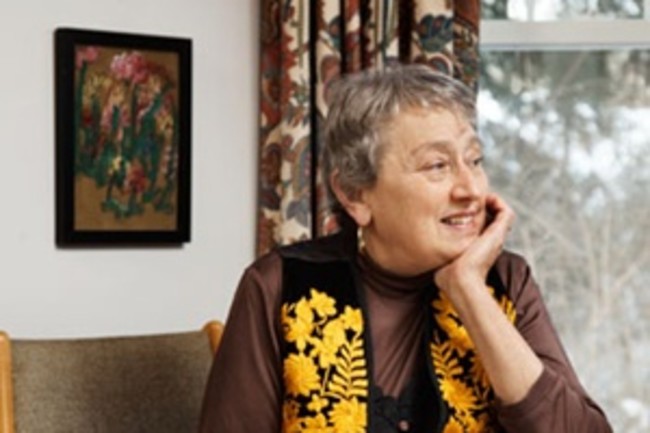
Credit...Paul Hosefos/The New York Times

The biologist Lynn Margulis died on November 22 at the age of 73. I adapted the following essay about her from my 1996 book The End of Science.
Lynn Margulis was among the most creative challengers of mainstream Darwinian thinking of the late 20th century. She challenged what she called "ultra-Darwinian orthodoxy" with several ideas. The first, and most successful, is the concept of symbiosis. Darwin and his heirs had always emphasized the role that competition between individuals and species played in evolution. In the 1960's, however, Margulis began arguing that symbiosis had been an equally important factor--and perhaps more important--in the evolution of life. One of the greatest mysteries in evolution concerns the evolution of prokaryotes, cells that lack a nucleus and are the simplest of all organisms, into eukaryotes, cells that have nuclei. All multi-cellular organisms, including humans, consist of eukaryotic cells.
Margulis proposed that eukaryotes may have emerged when one prokaryote absorbed another, smaller one, which became the nucleus. She suggested that such cells be considered not as individual organisms but as "composites." After Margulis provided examples of symbiotic relationships among living microorganisms, she gradually won support for her views on the role of symbiosis in early evolution. She did not stop there, however. Like Stephen Jay Gould and Niles Eldredge, authors of the punctuated equilibrium hypothesis, she argued that conventional Darwinian mechanisms could not account for the stops and starts observed in the fossil record. Symbiosis, she suggested, could explain why species appear so suddenly and why they persist so long without changing.
Margulis's emphasis on symbiosis led naturally to a much more radical idea: Gaia. The concept and term (Gaia was the Greek goddess of the earth) were originally proposed in 1972 by James Lovelock, a British chemist and inventor. Gaia comes in many guises, but the basic idea is that the biota, the sum of all life on earth, is locked in a symbiotic relationship with the environment--the atmosphere, the seas and other aspects of the earth's surface. In fact, the biota chemically regulates the environment in such a way as to promote its own survival. Margulis was immediately taken with Gaia, and she joined Lovelock in promulgating the idea.
I met Margulis in May 1994 in the first-class lounge of New York's Pennsylvania Station, where she was waiting for a train. She resembled an aging tomboy: she had short hair and ruddy skin, and she wore a striped, short-sleeve shirt and khaki pants. She dutifully played the radical, at first. She ridiculed the suggestion of Ernst Mayr, Richard Dawkins and other ultra-Darwinians that evolutionary biology might be nearing completion, in terms of not requiring any major additions or revisions. "They're finished," Margulis declared, "but that's just a small blip in the 20th century history of biology rather than a full-fledged and valid science."
She emphasized that she had no problem with the basic premise of Darwinism. "Evolution no doubts occurs, and it's been seen to occur, and it's occurring now. Everyone who's scientific-minded agrees with that. The question is, how does it occur? And that's where everyone parts company." Ultra-Darwinians, by focusing on the gene as the unit of selection, had failed to explain how speciation occurs. Only a much broader theory that incorporates symbiosis and higher-level selection could account for the diversity of the fossil record and of life today, according to Margulis.
Symbiosis, she added, also allows a kind of Lamarckianism, or inheritance of acquired characteristics. Through symbiosis, one organism can genetically absorb or infiltrate another and thereby become more fit. For example, if a translucent fungus absorbs an alga that can perform photosynthesis, the fungus may acquire the capability of photosynthesis too and pass it to its offspring. Margulis noted that Lamarck has been unfairly cast as the goat of evolutionary biology. "We have this British-French business. Darwin's all right and Lamarck is bad. It's really terrible." Margulis acknowledged that symbiogenesis, the creation of new species through symbiosis, is not really an original idea. The concept was first proposed early in this century by the Russian biologist Marachovsky. Similar ideas were set forth in the 1920's by Ivan Emmanual Wallin in a book called Symbioticism and Origins of Species. "An absolutely beautiful, wonderful book that was totally ignored," Margulis declared.
Before meeting Margulis, I had read a draft of a book she was writing with her son, Dorian Sagan, called What Is Life? The book was an amalgam of philosophy, science and lyric tributes to "life: the eternal enigma." It argued, in effect, for a new holistic approach to biology, in which the animist beliefs of the ancients are fused with the mechanistic views of post-Newton, post-Darwin science. Margulis conceded that the book was aimed less at advancing testable, scientific assertions than at encouraging a new philosophical outlook among biologists. But the only difference between her and biologists like Dawkins, she insisted, is that she admitted her philosophical outlook instead of pretending that she didn't have one. "Scientists are no cleaner with respect to being untouched by culture than anyone else."
Did that mean that she did not believe science can achieve absolute truth? Margulis pondered the question a moment. She noted that science derives its power and persuasiveness from the fact that its assertions can be checked against the real world--unlike the assertions of religion, art and other modes of knowledge. "But I don't think that's the same as saying there's absolute truth. I don't think there's absolute truth, and if there is, I don't think any person has it."
Then, perhaps realizing how close she was edging toward postmodernism, Margulis took pains to steer herself back toward the scientific mainstream. She resented depictions of her as a scientific feminist, who was trying to replace masculine concepts of nature with feminine ones. She conceded that, in comparison to such concepts as "survival of the fittest" and "nature red in tooth and claw," her symbiosis views might seem feminine. "There is that cultural overtone, but I consider that just a complete distortion."
She rejected the notion--often associated with Gaia--that the earth is in some sense a living organism. "The earth is obviously not a live organism," Margulis said, "because no single living organism cycles its waste. That's so anthropomorphic, so misleading." Lovelock encouraged this metaphor, she claimed, because he thought it would aid the cause of environmentalism, and because it suited his own quasi-spiritual leanings. "He says it's an okay metaphor because it's better than the old one. I think it's bad because it's just getting the scientists mad at you, because you're encouraging irrationality."
Both Gould and Dawkins have ridiculed Gaia as pseudo-science, poetry posing as a theory. But Margulis is, in at least one sense, much more hard-nosed, more of a positivist, than they are. Gould and Dawkins each resorted to speculation about extraterrestrial life in order to buttress his view of life on earth. Margulis scoffed at these tactics. Any proposals concerning the existence of life elsewhere in the universe--or its Darwinian or non-Darwinian nature--are sheer speculation, she said. "You have no constraints on the answer to that, whether it's a frequent or infrequent thing. So I don't see how people can have strong opinions on that. Let me put it this way: opinions aren't science. There's no scientific basis! It's just opinion!"
She remembered that in the early 1970's she had received a call from the director Steven Spielberg, who was in the process of writing the movie ET. Spielberg asked Margulis if she thought it was likely or even possible that an extraterrestrial would have two hands, each with five fingers. "I said, 'You're making a movie! Just make it fun! What the hell do you care! Don't try to confuse yourself that it's science!'"
Toward the end of our interview, I asked Margulis if she minded always being referred to as a provocateur or gadfly, or someone who was "fruitfully wrong," as one scientist put it. She pressed her lips together, brooding over the question. "It's kind of dismissive, not serious," she replied. "I mean, you wouldn't do this to a serious scientist, would you?" She stared at me, and I finally realized her question was not rhetorical; she really wanted an answer. I agreed that the descriptions seemed somewhat condescending.
"Yeah, that's right," she mused. Such criticism did not bother her, she insisted. "Anyone who makes this kind of ad hominem criticism exposes himself, doesn't he? I mean, if their argument is just based on provocative adjectives about me rather than the substance of the issue, then..." Her voice trailed off. Like other mavericks I have met, Margulis could not help but yearn, now and then, to be a respected member of the status quo, whose work merely confirmed the prevailing paradigm. But without courageous rebels like her, science would never achieve any progress.

3366. Lynn Margulis and the Endosymbiont Hypothesis: 50 Years Later

By Michael W. Gray, Microbiology of the Cell, May 15, 2017
Lynn Margulis

In 1967, Lynn Margulis (then Lynn Sagan) published an article entitled “On the Origin of Mitosing Cells” in the Journal of Theoretical Biology ( blue right-pointing triangle). This publication did not have an auspicious beginning, reportedly having been rejected by more than a dozen journals before eventually finding a home ( blue right-pointing triangle). Now, it is widely regarded as marking the modern renaissance of the endosymbiotic theory of organelle origins.

In her article, Margulis hypothesized that “three fundamental organelles: the mitochondria, the photosynthetic plastids and the (9 + 2) basal bodies of flagella were once themselves free-living (prokaryotic) cells.” That mitochondria and plastids might have originated endosymbiotically from prokaryotic progenitors was not at the time a new idea, having first emerged in various forms in the late 19th and early 20th centuries before fading from mainstream biological view ( blue right-pointing triangle). Margulis’ article was notable, however, in that it laid out an all-encompassing view of (endo)symbiosis as the end-all and be-all of the eukaryotic cell: it was perhaps the first unified theory of eukaryogenesis. The article included the novel proposition that a third subcellular structure, the eukaryotic flagellum (“undulipodium” in her usage), originated from “ingestion of certain motile prokaryotes,” “perhaps spirochaete-like,” which eventually “became symbiotic in their hosts.” This overall scenario was later dubbed the serial endosymbiosis theory ( blue right-pointing triangle).
Although a discussion of the origin of mitosis that Margulis outlined comprises a substantial portion of her article, there is no evidence supporting it, in contrast to the proposed endosymbiotic origin of mitochondria and plastids. The reason is simple: no genome has been associated with the eukaryotic flagellar apparatus despite efforts to find one ( blue right-pointing triangle), and it is through the genomes contained in the mitochondrion and the plastid—the genes they harbor and how they are arranged and expressed—that we know with a high degree of certainty from whence these organelles originated: the bacterial clades α-Proteobacteria and Cyanobacteria, respectively ( blue right-pointing triangle;  blue right-pointing triangle).
Margulis’ vigorous promotion of the role of symbiosis in eukaryotic cell evolution ( blue right-pointing triangle) sparked a spirited debate throughout the 1970s and into the 1980s between proponents of autogenous origin (“origin from within”) and xenogenous origin (“origin from without”) theories of organelle evolution. Although various authors rejected an endosymbiont scenario for both mitochondria and plastids ( blue right-pointing triangle), controversy during this period focused especially on the mitochondrion ( blue right-pointing triangle). A particularly troubling issue, noted early by  blue right-pointing triangle, was the fact that “the mitochondrial genetic system exhibits unmistakable signs of great inter- and intra-species diversity,” suggesting that “this system is unique and that its features are distinct from both its prokaryotic and eukaryotic counterparts.” Subsequent comparative analysis of mitochondrial genomes and their expression only reinforced the view that in mitochondria, anything goes ( blue right-pointing triangle). Nevertheless, a confluence of data—biochemical, molecular, and cell biological, coupled with the characterization in a group of eukaryotic microbes (the jakobid flagellates) of a gene-rich mitochondrial genome that strongly resembles a shrunken bacterial genome ( blue right-pointing triangle)—now provides a compelling case for a single, endosymbiotic, α-proteobacterial origin of mitochondria ( blue right-pointing triangle;  blue right-pointing triangle).
A compelling case for an endosymbiotic origin has always been easier to make for the plastid than for the mitochondrion. For one thing, the plastid is evolutionarily younger than the mitochondrion: whereas the last eukaryotic common ancestor (LECA) already had a functional mitochondrion approximating its modern counterpart ( blue right-pointing triangle), several major eukaryotic lineages (e.g., that containing animals and fungi) are clearly primitively aplastidic, descending from ancestors that never had plastids. In consequence, in most (although not all) plastid-bearing eukaryotes, the resemblance between plastid and cyanobacterial structure and biochemistry is considerably more pronounced than in the mitochondrion/­α-proteobacteria comparison. In addition, plastid genomes generally contain substantially more genes on which to base such a comparison than do mitochondrial genomes, and the plastid translation system displays decidedly more bacterial character than does its counterpart in most mitochondrial systems ( blue right-pointing triangle).
Margulis’ treatment of the plastid in her 1967 article is remarkably brief: she simply asserted (p. 244) that “eukaryotic plant cells did not evolve oxygen-eliminating photosynthesis”; instead, “they acquired it by symbiosis” (from blue-green algae, i.e., cyanobacteria). She further suggested that “different photosynthetic eukaryotes (protoplastids) were ingested by heterotrophic protozoans at various times” during evolution, becoming “obligately symbiotic plastids, retaining their characteristic photosynthetic pigments and pathways.” This theme of multiple plastid origins was later taken up by others (e.g.,  blue right-pointing triangle). The current consensus, however, is a single, separate, endosymbiotic origin of mitochondrion and plastid, with a primary origin of the latter (from an endosymbiotic cyanobacterium) occurring in an ancestor of Archaeplastida, the eukaryotic lineage containing land plants and green, red, and cyanophyte algae. Plastids subsequently entered other algal clades via a process of secondary symbiosis in which a eukaryotic host takes up a eukaryotic symbiont (a green or red alga) ( blue right-pointing triangle).
In spite of a general acceptance that mitochondria and chloroplasts are descended from free-living bacterial ancestors through a process of endosymbiosis, how this symbiogenesis actually happened is still incompletely understood. Particularly in the case of the mitochondrion, questions still being debated include when the initiating event occurred (both within the overall timeline of biological evolution and relative to the origin of the eukaryotic cell per se), how long the process of converting bacterial endosymbiont to fully integrated organelle took, what this conversion process involved, and by what evolutionary mechanisms it occurred. Indeed, a host of symbiogenesis models that invoke different hosts and processes have been proposed over the five decades since the publication of Margulis’ 1967 article (see, e.g.,  blue right-pointing triangle).
A particularly contentious issue is the nature of the host. Textbook descriptions of endosymbiosis often depict the host as a primitive (i.e., amitochondriate) eukaryote ingesting a prokaryotic symbiont through phagotrophy—the process of capturing and internalizing other organisms (phagocytosis). Other depictions show the host as a prokaryote ingesting another prokaryote by what looks like phagocytosis, even though phagotrophy is unknown so far in free-living prokaryotes.
In her 1967 article, Margulis suggested that “the first step in the origin of eukaryotes from prokaryotes was related to survival in the new oxygen-containing atmosphere: an aerobic prokaryotic microbe (i.e., the protomitochondrion) was ingested into the cytoplasm of a heterotrophic anaerobe. This endosymbiosis became obligate and resulted in the evolution of the first aerobic amitotic amoeboid organisms.” It is not certain from this description whether the proposed host was itself a prokaryote or something more “advanced”: Margulis is not explicit on this point. The allusion to “amoeboid” and “ingestion” does suggest a type of protoeukaryote, albeit without many of the defining features of the contemporary eukaryotic cell, in particular a nucleus and mitotic apparatus. Later, however,  blue right-pointing triangle made it clear that she favored a prokaryotic host, stating, “it is likely that protomitochondria invaded their hosts just as modern predatory bacteria Bdellovibrio invade prey bacteria”: “an amazing example of prokaryote-prokaryote ‘emboîtement’ without phagocytosis.” Mind you, given that Bdellovibrio very effectively destroys its “host” bacterium in the process of invading it, this type of scenario does offer a particularly promising route to a stable prokaryote–prokaryote symbiosis.
The nature of the host is, in fact, central to widely differing symbiogenesis models of mitochondrial origin and evolution, which fall into roughly two broad categories: mitochondria early (mito-early, or mito-first) and mitochondria late (mito-late, or mito-last), differing on timing–within the transition from first eukaryotic common ancestor to LECA–and having different implications for the overall origin of the eukaryotic cell ( blue right-pointing triangle). Comparative genomics and other analyses emphasize that the LECA was already a complex organism with a fully functioning mitochondrion ( blue right-pointing triangle) and that all supposedly amitochondrial eukaryotic lineages (with one recently described exception;  blue right-pointing triangle) contain mitochondrion-related organelles and descend from mitochondria-containing ancestors. Thus, initial acquisition of a bacterial symbiont destined to become the mitochondrion could not have occurred very close to the emergence of the LECA, given the numerous and complex changes that obviously had to occur in the symbiont-to-organelle transition, although evidence for a late acquisition of the mitochondrion has recently been published ( blue right-pointing triangle).
Perhaps the best-known mito-early model is the hydrogen hypothesis ( blue right-pointing triangle), in which the host, an anaerobic, hydrogen-dependent archaeon, takes up an α-proteobacterium that is able to respire but that generates molecular hydrogen as a waste product of anaerobic heterotrophic metabolism. Here selection for endosymbiosis is driven by metabolic syntrophy between the two partners: the waste product (hydrogen) of one is used as an essential metabolic resource by the other. In this scenario, the origin of the mitochondrion and the origin of the eukaryotic cell are contemporaneous, with the subsequent emergence of the defining subcellular features of the latter directly dependent on a pronounced increase in cellular energy provided by the latter.
In contrast, in mito-late models, the underlying mechanism of symbiogenesis is phagotrophy, a hallmark of eukaryotic cells and widespread within the eukaryotic domain. Phagotrophy involves endocytosis, by which the bounding membrane of one organism (the host) surrounds another organism (symbiont), internalizing it in a membrane-bound phagosome. In some mito-late models, the host is effectively an amitochondriate eukaryote capable of phagocytosis ( blue right-pointing triangle).
Recent evidence supports the idea that eukaryotes are specifically related to a newly described clade of Archaea, the Asgard superphylum ( blue right-pointing triangle). This archaeal group encodes a number of proteins whose homologues had previously been found only in eukaryotes, suggesting that an archaeal lineage that had already developed features characteristic of eukaryotes, including possibly phagocytosis, might have been the host for the mitochondrial endosymbiosis. These observations provide the basis for the phagocytosing archaeon theory (PhAT) model of eukaryogenesis, with the mitochondrial endosymbiont having been acquired by a transiently complex phagocytosing archaeon ( blue right-pointing triangle).
My purpose here is not to enumerate and critically evaluate all of the different symbiogenetic models of organelle evolution, but rather to illustrate by a few examples the divergent (and changing) opinions on this subject. The symbiont-to-organelle transition evidently involved many steps: loss of the bacterial cell wall; early acquisition by the symbiont of essential metabolite transporters; massive (and variable) reduction of the symbiont genome through loss of genes or their transfer to the nucleus; functional activation of transferred genes in the nucleus and retargeting of their cytoplasmically synthesized protein products back into the evolving organelle—via specific organellar targeting sequences—or elsewhere in the cell; and wholesale recruitment of many additional organellar proteins, the origin of which is obscure. We infer this remodeling process by comparing contemporary organelles with their closest bacterial relatives and conclude that it was a gradual process occurring over a long period of time.
Although we have learned much about the origin of mitochondria and plastids in the five decades since the publication of Margulis’ 1967 article and about their role in the overall process of eukaryogenesis, there is clearly much more to be discerned. A particularly challenging problem is to decipher the origin of the bulk of the mitochondrial and plastid proteomes, which appear not to have been of α-proteobacterial or cyanobacterial origin, respectively. We accept that the mitochondrion and the plastid are the direct evolutionary products of bacterial endosymbiosis, but at the same time we recognize that these are mosaic organelles whose components and functions have more than one origin ( blue right-pointing triangle). As Margulis asserted throughout her career, symbiosis has played a crucial role in organelle origins and overall eukaryogenesis, although perhaps not the all-pervasive and all-encompassing role that she initially envisaged.

ABBREVIATIONS USED:

LECAlast eukaryotic common ancestor
PhATphagocytosing archaeon theory.

REFERENCES

  • Archibald JM. One Plus One Equals One: Symbiosis and the Evolution of Complex Life. New York: Oxford University Press; 2014. []
  • Archibald JM, Keeling PJ. Recycled plastids: a ‘green movement’ in eukaryotic evolution. Trends Genet. 2002;18:577–584. [PubMed] []
  • Burger G, Gray MW, Lang BF. Mitochondrial genomes: anything goes. Trends Genet. 2003;19:709–716. [PubMed] []
  • Burger G, Gray MW, Forget L, Lang BF. Strikingly bacteria-like and gene-rich mitochondrial genomes throughout jakobid protists. Genome Biol Evol. 2013;5:418–438. [PMC free article] [PubMed] []
  • Cavalier-Smith T. The simultaneous symbiotic origin of mitochondria, chloroplasts, and microbodies. Ann NY Acad Sci. 1987;503:55–71. [PubMed] []
  • Gray MW. The endosymbiont hypothesis revisited. Int Rev Cytol. 1992;141:233–357. [PubMed] []
  • Gray MW. Mitochondrial evolution. Cold Spring Harb Perspect Biol. 2012;4:a011403. [PMC free article] [PubMed] []
  • Gray MW, Burger G, Lang BF. Mitochondrial evolution. Science. 1999;283:1476–1481. [PubMed] []
  • Gray MW, Doolittle WF. Has the endosymbiont hypothesis been proven? Microbiol Rev. 1982;46:1–42. [PMC free article] [PubMed] []
  • Johnson KA, Rosenbaum JL. Basal bodies and DNA. Trends Cell Biol. 1991;1:145–149. [PubMed] []
  • Karnkowska A, Vacek V, Zubáčová Z, Treitli SC, Petrželková R, Eme L, Novák L, Žárský V, Barlow LD, Herman EK, et al. A eukaryote without a mitochondrial organelle. Curr Biol. 2016;26:1274–1284. [PubMed] []
  • Koumandou VL, Wickstead B, Ginger ML, van der Giezen M, Dacks JB, Field MC. Molecular paleontology and complexity in the last eukaryotic common ancestor. Crit Rev Biochem Mol Biol. 2013;48:373–396. [PMC free article] [PubMed] []
  • Mahler HR. Mitochondrial evolution: organization and regulation of mitochondrial genes. Ann NY Acad Sci. 1981;361:53–75. [PubMed] []
  • Margulis L. Origin of Eukaryotic Cells. New Haven, CT: Yale University Press; 1970. []
  • Margulis L. Symbiosis in Cell Evolution. New York: W. H. Freeman; 1981. []
  • Martijn J, Ettema TJ. From archaeon to eukaryote: the evolutionary dark ages of the eukaryotic cell. Biochem Soc Trans. 2013;41:451–457. [PubMed] []
  • Martin W, Müller M. The hydrogen hypothesis for the first eukaryote. Nature. 1998;392:37–41. [PubMed] []
  • Martin WF, Garg S, Zimorski V. Endosymbiotic theories for eukaryote origin. Philos Trans R Soc Lond B Biol Sci. 2015;370:20140330. [PMC free article] [PubMed] []
  • Pittis AA, Gabaldón T. Late acquisition of mitochondria by a host with chimaeric prokaryotic ancestry. Nature. 2016;531:101–104. [PMC free article] [PubMed] []
  • Poole AM, Gribaldo S. Eukaryotic origins: how and when was the mitochondrion acquired? Cold Spring Harb Perspect Biol. 2014;6:a015990. [PMC free article] [PubMed] []
  • Raff RA, Mahler HR. The non symbiotic origin of mitochondria. Science. 1972;177:575–582. [PubMed] []
  • Raven PH. A multiple origin for plastids and mitochondria. Science. 1970;169:641–646. [PubMed] []
  • Sagan L. On the origin of mitosing cells. J Theor Biol. 1967;14:225–274. [PubMed] []
  • Sapp J. Evolution by Association. A History of Symbiosis. New York: Oxford University Press; 1994. []
  • Taylor FJR. Implications and extensions of the serial endosymbiosis theory of the origin of eukaryotes. Taxon. 1974;23:229–258. []
  • Uzzell T, Spolsky C. Mitochondria and plastids as endosymbionts: a revival of Special Creation. Am Sci. 1974;62:334–343. [PubMed] []
  • Zaremba-Niedzwiedzka K, Caceres EF, Saw JH, Bäckström D, Juzokaite L, Vancaester E, Seitz KW, Anantharaman K, Starnawski P, Kjeldsen KU, et al. Asgard archaea illuminate the origin of eukaryotic cellular complexity. Nature. 2017;541:353–358. [PubMed] []

Monday, April 2, 2018

2867. A Symbiotic View of Life: We Have Never Been Individuals

The notion of the “biological individual” is crucial to studies of genetics, immunology, evolution, development, anatomy, and physiology. Each of these biological subdisciplines has a specific conception of individuality, which has historically provided conceptual contexts for integrating newly acquired data. During the past decade, nucleic acid analysis, especially genomic sequencing and high-throughput RNA techniques, has challenged each of these disciplinary definitions by finding significant interactions of animals and plants with symbiotic microorganisms that disrupt the boundaries that heretofore had characterized the biological individual. Animals cannot be considered individuals by anatomical or physiological criteria because a diversity of symbionts are both present and functional in completing metabolic pathways and serving other physiological functions. Similarly, these new studies have shown that animal development is incomplete without symbionts. Symbionts also constitute a second mode of genetic inheritance, providing selectable genetic variation for natural selection. The immune system also develops, in part, in dialogue with symbionts and thereby functions as a mechanism for integrating microbes into the animal-cell community. Recognizing the “holobiont”—the multicellular eukaryote plus its colonies of persistent symbionts—as a critically important unit of anatomy, development, physiology, immunology, and evolution opens up new investigative avenues and conceptually challenges the ways in which the biological subdisciplines have heretofore characterized living entities.
IN THE EARLY modern period, mirroring the appearance of the independent citizen, the notion of the autonomous individual agent framed a biology that was organized around the study of particulate, interacting, living entities (Taylor 1989). Anatomical, physiological, and developmental criteria were conceived solely in terms of individuals, and the Darwinian view of life regarded aggregates of individuals of common ancestry as identifiable units in competition with one another. With the understanding that plants and animals are comprised of living “cells,” a new orientation quickly developed concerning the integration of physiological processes and anatomic units, but still these cells were understood as agents in constructing and sustaining a singular organism that would in turn maintain its autonomy and integrity. Only with the emergence of ecology in the second half of the 19th century did organic systems—comprised of individuals in cooperative and competitive relationships—complement the individual-based conceptions of the life sciences.
The development of such complex formulations of individuals and systems depends on myriad factors, of which technology constitutes a major component in the characterization process. We perceive only that part of nature that our technologies permit and, so too, our theories about nature are highly constrained by what our technologies enable us to observe. But theory and technology act on each other reciprocally: we construct those technologies that we think are important for examining a particular perspective of nature. The development of the microscope, for example, revealed the hitherto invisible microbial world of bacteria, protists, and fungi; and the descendants of that instrument further allowed the discovery of subcellular organelles, viruses, and macromolecules. New technologies such as polymerase chain reaction, high-throughput RNA analysis, and next generation sequencing continue to dramatically transform our conceptions of the planet's biosphere. They have not only revealed a microbial world of much deeper diversity than previously imagined, but also a world of complex and intermingled relationships—not only among microbes, but also between microscopic and macroscopic life (Gordon 2012). These discoveries have profoundly challenged the generally accepted view of “individuals.” Symbiosis is becoming a core principle of contemporary biology, and it is replacing an essentialist conception of “individuality” with a conception congruent with the larger systems approach now pushing the life sciences in diverse directions. These findings lead us into directions that transcend the self/nonself, subject/object dichotomies that have characterized Western thought (Tauber 2008a,b).

This reorientation is not new for the microbial or botanical sciences. In the world of protists, hereditary symbiosis, the inheritance of acquired symbionts is legion. In the microbial world, “you are what you eat” can be taken literally. In botanical science, the concept of the autonomous individual has also been challenged by discoveries concerning rhizobia, mycorrhizae, and endocytic fungae. Nonetheless, zoologists long subscribed to a more individualist conception of the organism, since the role of microbial symbionts had been more difficult to document in animal evolution (Sapp 1994, 2002, 2009). We report here that the zoological sciences are also finding that animals are composites of many species living, developing, and evolving together. The discovery of symbiosis throughout the animal kingdom is fundamentally transforming the classical conception of an insular individuality into one in which interactive relationships among species blurs the boundaries of the organism and obscures the notion of essential identity.

Our aims in this overview are to: outline the data demonstrating that animals are symbiotic complexes of many species living together; demonstrate how a thoroughly symbiotic perspective opens important areas of research and offers fundamentally new conceptions of the organism; and explore what this new evidence means for biology, medicine, and for the conservation of biodiversity.


What would biological science be if symbiosis were seen as the rule, not the exception? What scientific questions would become paramount and how might this change our view of life if intimate cooperation between species were a fundamental feature of evolution? What could “individual selection” mean if all organisms were chimeric, and there were no real monogenetic individuals?

There are many ways in which the term “individual” is used in biology. Individuals can be defined anatomically, embryologically, physiologically, immunologically, genetically, or evolutionarily (see Geddes and Mitchell 1911; Clarke 2010; Nyhart and Lidgard 2011). These conceptions, though, are not wholly independent of one another. Nor have these definitions of individuality often been explicitly articulated as such. Indeed, even in biology today there is a dearth of definition in what constitutes the individual organism. Still, definitions are implied, and each stems from the common tenet of genomic individuality: one genome/one organism. As such, all classical conceptions of individuality are called into question by evidence of all-pervading symbiosis.


Anatomically, the individual animal is regarded as a structured whole. Yet, data from PCR show that the cells and bodies of animals are shared with numerous “species” of bacteria and other microbes. In some sponges, nearly 40% of the volume of the organism is comprised of bacteria, which contribute significantly to host metabolism (Taylor et al. 2007). The algal symbiont, Symbiodinium, provides up to 60% of the nutrients needed by its host coral (the term “host” is used here in the classical sense to denote the larger, eukaryotic, multicellular organism in which the “symbiont” resides). When this symbiosis is broken by a prolonged increase in sea-surface temperatures, corals “bleach.” They lose their algal symbionts and die. Similarly, the entity we call a cow is an organism whose complex ecosystem of gut symbionts—a diverse community of cellulose-digesting bacteria, ciliated protists, and anaerobic fungi—informs its specialized anatomy, defines its plant-digesting physiology, regulates its behaviors, and ultimately determines its evolution (Kamra 2005).
In addition to the mitochondrial vestiges of ancient symbiosis, thousands of bacterial “species” (themselves genetic composites) live in intimate association with our own eukaryotic cells. Estimates that 90% of the cells that comprise our bodies are bacterial (Bäckhed et al. 2005; Ley et al. 2006) belie any simple anatomical understanding of individual identity. Metagenomic sequencing (Qin et al. 2010) has shown that each human gut has entered into a persistent partnership with over 150 species of bacteria, and that the human species maintains about 1000 major bacteria groups in our gut microbiome. The gene set contained by this symbiotic metagenome is about 150 times larger than that of the human eukaryotic genome. And this does not include the symbionts of human airways, skin, mouth, or reproductive orifices.

Mastotermes darwiniensis, a termite of northern Australia, may claim the title of “poster organism” for the chimeric individual. The worker termites eat trees and entire homes, digesting the cellulose in their guts and constructing elaborate subterranean nests. But as Lewis Thomas (1974) and Lynn Margulis and Dorion Sagan (2001) have asked: What constitutes the individual organism? How can a worker termite be considered an individual when it is the hive that is the reproductive unit of the species, and the worker cannot even digest cellulose without its gut symbiont, Mixotricha paradoxa, which is itself a genetic composite of at least five other species? Neither humans, nor any other organism, can be regarded as individuals by anatomical criteria. To capture this complexity, the term “holobiont” has been introduced as the anatomical term that describes the integrated organism comprised of both host elements and persistent populations of symbionts (Rosenberg et al. 2007).


The developmental view of animal individuality was originally proposed by Thomas Huxley in his published lecture, “Upon Animal Individuality” (Huxley 1852). A variant of the anatomical version of biological individuality, the individual animal proposed here is understood to be that which proceeds from ovum to ovum. Yet, this view of life is belied by evidence that what we understand to be the “individual” develops as consortia of animal cells and microbes (McFall-Ngai 2002; Gilbert and Epel 2009; Fraune and Bosch 2010; Pradeu 2011). Indeed, the development of both vertebrates and invertebrates (especially larval and postembryonic development) is predicated on intimate relations with microbes.

In some instances, the symbiosis may be parasitic, one organism benefiting at the expense of another. For example, the development of the European blue butterfly Maculinea arionrequires that the female lays her eggs on thyme plants. The larvae, however, do not eat thyme, but drop to the ground, where they produce a mixture of volatile chemicals mimicking the smell of the larvae of the ant species Myrmica sabuleti. Patrolling Myrmicae mistake the butterfly larva as one of their own, and carry it into the ant nest. Once in the nest with the ant larvae, the caterpillar is fed by the workers, eventually eating young ants until it is ready to pupate. It undergoes metamorphosis in the ant colony and emerges as an adult (Thomas 1995; Nash et al. 2008). This type of life-cycle symbiosis occurs throughout marine invertebrates, where larvae require cues, often from their food sources, in regard to where and when to settle and undergo metamorphosis.

The importance of symbiotic organisms for the completion of host life cycles is also evident in parasitic worms, where bacteria are crucial for embryogenesis and molting (Hoerauf et al. 2003; Coulibaly et al. 2009) and in salamander development, where symbiotic algae on the egg jelly produce the oxygen necessary for the survival of the spotted salamander embryos (Olivier and Moon 2010; Kerney et al. 2011).

In numerous organisms, the development of particular organs is predicated on chemical signals from symbionts (Douglas 1988, 2010). For example, the ovaries of the parasitoid wasp, Asobara, undergo apoptosis if signals from their Wolbachia symbionts are lacking (Pannebakker et al. 2007). And the newborn of the squid Euprymna scolopes lacks a light organ, which is developed in cooperation between the squid and the luminescent bacteria (Vibrio fisheri) absorbed by its ventral epithelium (McFall-Ngai et al. 2012). Without the bacteria, the organ does not develop.

In “germ-free” asymbiotic mice, the development of the immune system and the digestive system cannot be completed without gut bacteria (Ley et al. 2006, 2008; Lee and Mazmanian 2010). Rather, these mice have insufficient intestinal capillaries, poorly developed or absent gut-associated lymphoid tissue, and a diminished T-cell repertoire that gives them an immunodeficiency syndrome (Stappenbeck et al. 2002; Rhee et al. 2004; Niess et al. 2008; Duan et al. 2010). In zebrafish, microbes regulate (through the canonical Wnt pathway) the normal proliferation of the intestinal stem cells. Without these microbes, the intestinal epithelium has fewer cells, and it lacks goblet cells, entroendocrine cells, and the characteristic intestinal brush border enzymes (Rawls et al. 2004; Bates et al. 2006).

Microbial symbionts appear to be a normal and necessary part of the life cycle of all mammals, which acquire the microbes as soon as the amnion breaks or when infants suckle or hug. The microbes colonize the guts and induce appropriate gene expression in the intestine of the newborn (Hooper et al. 2001). In the developing guts of mice and zebrafish, hundreds of genes are activated by bacterial symbionts (Hooper et al. 2001; Rawls et al. 2004). The coevolution of mammals and their gut bacteria has in effect resulted in the “outsourcing” of developmental signals from animal cells to microbial symbionts. Thus, the symbionts are integrated into the normal networks of animal development, interacting with the eukaryotic cells of their “host” (Gilbert 2001, 2003; McFall-Ngai 2002). Development then becomes a matter of interspecies communication. We are not individuals from the viewpoint of developmental biology.


Since the classical writings of Henri Milne-Edwards (1827) and Rudolf Leuckart (1851), the physiological view of animal individuality regards the organism as comprised of parts that cooperate for the good of the whole. Complexity of animal organization is accompanied by the increasing division of labor among organs, a concept derived from Adam Smith's conception that socioeconomic progress in complex societies results from the division of labor (Limoges 1994). In the post-Darwinian era, this individualistic view of the organism extended to the organization of the cell, as well as projected onto the organism formed by intercellular relations. Accordingly, all complex organization resulted from the struggle for existence, providing an ever-increasing integration through a division of labor (Sapp 1994, 2003). A common assumption underlays this classical conception, namely, that each organism is derived from one germplasm, the zygote.

Yet, far removed from this classical conception, a small but growing body of evidence accumulated, which reveals that this physiological division of labor could also be accomplished by different species living together, as exemplified by the discoveries, in the latter 19th century, of the duality of lichens, of fungi living in the roots of orchids and forest trees, of nitrogen-fixing bacteria in root nodules of legumes, and of algae living inside the cells of translucent cnidarians. Later, in the early 20th century, findings that microbes inherited through the eggs of insects caused morphological changes with no apparent pathogenic effects on their host further suggested how organisms living in close proximity shared their respective physiologies (Buchner 1965; Sapp 1994).

Still, evidence of such intimate microbial interactions, especially with animals, was relatively scarce, and the evidence for the life-giving properties of microbial infections could not compete with the great success and importance of the germ theory of disease. Indeed, the view of microbial infections as disease-causing “germs” defined the antagonistic view that microbes were “the enemy of man.”

Current molecular biological research has underscored how symbionts can become part of an obligatorily integrated commonality (MacDonald et al. 2011; Vogel and Moran 2011). For example, the “genome” of the mealy bug Planococcus is the product of a nested symbiosis: animal cells harbor the betaproteobacterium Tremblaya princeps, which in turn harbor a gammaproteobacterium, provisionally named Moranella endobia. The synthesis of amino acids appears to be coordinated between these two microbes and the host. Three of the enzymes needed for phenylalanine biosynthesis are encoded by the Moranella bacterium, five other enzymes are encoded by the Tremblya bacterium, and a final enzyme in this pathway is encoded by the insect (McCutcheon and von Dihlen 2011). Note, the genomes of all three organisms have been altered through this symbiosis. Such metagenomic sequencing has demonstrated the importance of microbes in insect physiological systems (Vásquez et al. 2012; Weiss et al. 2012).

Microbial symbiosis also has been demonstrated in vertebrate physiology. Lipid metabolism, the detoxification of xenobiotics, regulation of colonic pH, vitamin synthesis, and intestinal permeability are each biological functions provided to the holobiont by bacteria (Nicholson et al. 2012). Specific bacteria also induce the formation of regulatory T-lymphocytes that suppress potentially dangerous immune responses that can cause inflammatory bowel disease (Mazmanian et al. 2008; Chow et al. 2010). The role of symbiotic microbes in mammalian disease prevention is well recognized today (Mazmanian et al. 2008; Lee and Mazmanian 2010; Ballal et al. 2011), and new metagenomic sequencing continues to provide new insights into the relationships between human physiological states and the microbial populations found in humans (Turnbaugh and Gordon 2009; Greenblum et al. 2012). And there is reciprocity. The common gut symbiont Bacteroides thetaiotaomicron induces angiogenin-4 gene expression in the intestinal Paneth cell. This protein functions to produce new blood vessels. But it is also a bacteriocidal factor against Listeria, the major competitor of Bacteroides and a gut pathogen (Cash et al. 2006). From these examples, we may conclude that on classical physiological grounds, animals are not individuals.


The classical genetic conception of the individual is rooted in sex and based on the inheritance of the chromosomal complement acquired at fertilization. That conception of the genetic individual, at the basis of the Weismannian biology of the 19th and 20th centuries (Weismann 1893), was fortified by classical Mendelian genetics and later came to include the mitochondrial chromosome as well (Chapman et al. 1982; Avise 1991). In population genetics, this genetic identity supersedes all others, as it is postulated to contain the allelic variations that are the bases of phenotypic variation.

The one-genome/one-organism doctrine of classical genetics has been eclipsed by studies of hereditary symbiosis. Microbial symbionts form a second type of genetic inheritance (Moran 2007; Gilbert 2011). Arthropods often acquire their symbionts vertically though the maternal germline as well as horizontally from the environment. Mammals obtain them through the maternal reproductive tract and from the mutual licking and grooming following birth. The microbial symbionts represent diverse genomes; and those genomes can also be coselected together with the genome of their host. In aphids, symbiotic bacteria provide selectable allelic variation (thermotolerance, color, parasitoid resistance) that enable some hosts to persist better under different environmental conditions (Dunbar et al. 2007; Tsuchida et al. 2010). There is also allelic variation in the human microbiome. The genes of Bacteroides plebeius differ in different human populations. The Japanese strain contains at least two genes (horizontally transferred from a marine relative) that enable the bacteria to metabolize complex sugars, such as those found in seaweeds (Heheman et al. 2010). Indeed, the Human Microbiome Project (Turnbaugh et al. 2007) has applied ecological metagenomics to explore the microbial world within the human species.
The evolutionary importance of microbial symbionts goes well beyond increasing the fitness of hosts or providing hereditable variation that might stabilize a community. Recent studies in Drosophila, for instance, demonstrate that the symbionts (not alleles of nuclear genes) provide important pheromonal cues necessary for mating preference (Sharon et al. 2010). Symbionts can therefore provide selectable allelic variation such that the entire group—the holobiont—is the selectable entity rather than either host or symbiont alone (see Zilber-Rosenberg and Rosenberg 2008; Gilbert et al. 2010). Thus, microbes provide a second hereditary system that enables holobiont survival and selection. Indeed, as the mealy bug example mentioned earlier demonstrates, genomes evolve in such a manner that they need their partners to achieve complex genetic integration. None of the three species in that symbiosis has a “complete” genome. It is the holobiont that does. We are not individuals by genetic criteria.


The “immune self” model of individuality, first proposed by Sir McFarlane Burnet (Burnet and Fenner 1949), portrays the immune system as a defensive network against a hostile exterior world. The immune individual rejects anything that is not “self.” Indeed, the discipline of immunology has been called “the science of self/non-self discrimination” (Klein 1982). In this view, the immune system is a defensive “weaponry,” evolved to protect the body against threats from pathogenic agents: worms, protists, fungi, bacteria, and viruses. Accordingly, if it were not for the immune system, opportunistic infections would prevail (as they do in cases of immune deficiencies) and the organism would perish.

In a fascinating inversion of this view of life, however, recent studies have shown that an individual's immune system is in part created by the resident microbiome. In vertebrates, the gut-associated lymphoid tissue is specified and organized by bacterial symbionts (Rhee et al. 2004; Lanning et al. 2005). The immune system does not function properly and its repertoire is significantly reduced when symbiotic microbes are absent in the gut (see Lee and Mazmanian 2010; Round et al. 2010). Similarly, Hill et al. (2012) have shown that microbial symbionts provide developmental signals that limit the proliferation of basophil progenitor cells and thereby prevent basophil-induced allergic responses. Lee and Mazmanian conclude, “multiple populations of intestinal immune cells require the microbiota for their development and their function” (2010:1768).

This ability of symbionts to condition and promote the immune capacities of the holobiont is not exclusive to vertebrates. In several insect species, bacteria of the genus Wolbachiaappear to play an important role in antiviral protection (Teixeira et al. 2008; Moreira et al. 2009; Hanson et al. 2011). In plants, endophytes, the diverse and widespread fungi that live out most of their life cycle in plant tissue, provide enhanced pathogen immunity to their host; they can also ward off herbivores, among other benefits (Herre et al. 2007). Thus, immune systems are created, in part, by microbial symbionts. We will return to these newer concepts of immunity below, in a discussion of how the holobiont community can be an evolutionarily viable “individual.”


Biological individuality has also been defined evolutionarily, as that which can be selected (see Maynard Smith and Szathmáry 1995; Michod and Roze 1997; Okasha 2006). Usually, these individuals are genes or monogenomic organisms. But, from the above discussion, it is evident that organisms are anatomically, physiologically, developmentally, genetically, and immunologically multigenomic and multispecies complexes. Can it be that organisms are selected as multigenomic associations? Is the fittest in life's struggle the multispecies group, and not an individual of a single species in that group?

An instructive example comes from studies of the pea aphid, Acyrthosiphon pisum and the several species of bacteria that live in its cells: variants of Buchnera provide the aphid with thermotolerance (at the expense of fecundity at normal temperatures; Dunbar et al. 2007); Rickettsiella provides color change, turning genetically red aphids green through the synthesis of quinones (Tsuchida et al. 2010); and some variants of Hamiltonella provide immunity against parasitoid wasp infection (Oliver et al. 2009). But in the last case, the protective variants Hamiltonella result from the incorporation of a specific lysogenic bacteriophage within the bacterial genome. The aphid must be infected with Hamiltonella, and the Hamiltonella must be infected by phage APSE-3. As Oliver et al. (2009) write, “In our system, the evolutionary interests of phages, bacterial symbionts, and aphids are all aligned against the parasitoid wasp that threatens them all. The phage is implicated in conferring protection to the aphid and thus contributes to the spread and maintenance of H. defensa in natural A. pisum populations” (Oliver et al. 2009:994). But there is a cost to the host in having this beneficial protection, for in the absence of parasitoid infection, those aphids carrying the bacteria with lysogenic phage are not as fecund as those lacking them. Similarly, a tradeoff occurs in aphids that carry the thermotolerant genetic variants of Buchnera, i.e., while more heat resistant, they have less fecundity at milder temperatures than their sisters whose bacteria lack the functional allele for the heat-shock protein. However, the population as a whole can survive hot weather, which would otherwise prevent reproduction.

This symbiotic relationship appears to fulfill the criteria for group selection: alleles can spread throughout a population because of the benefits they bestow on groups, irrespective of the alleles' effect on the fitness of individuals within that group. Except, in this case, the beneficial alleles are genetic variations in bacterial symbionts, which provide their hosts with a second source of inherited selectable variation. We are not genetic or anatomical individuals; and if there is no “individual organism,” what remains of classic notions of “individual selection”?

This moves the biological discussion of symbiotic associations into the venerable conception of “group selection,” so abhorrent to neo-Darwinian sensibilities, and so denigrated by sociobiologists' conceptions based on game theory. Most discussions of group selection (see Williams 1966; Lewontin 1970; Hull 1980; Keller 1999) are not germane here, because they assume that the group in question is composed of a single species. However, one important concern is relevant: cheaters. The major problem for all group selection theories (and the groups, themselves) are potential “cheaters,” those lower-level parts of the group that would proclaim their own autonomy and that would multiply at the expense of the others. As Stearns has pointed out, “conflicts within lower levels and between lower and higher levels must be suppressed or otherwise resolved” (2007:2275).

This problem of cheaters, it has been argued, has rendered many models of group selection mathematically untenable (see Keller 1999; Leigh 2010; Eldakar and Wilson 2011). The problem of “cheaters” then has to be solved in such a way that associates in a symbiotic relationship are under the social control of the whole, the holobiont. This strong socializing and unifying force is found in the immune system, and there we find a solution to the problem of cheaters in a symbiotic complex.

The immune system may be formulated as having two “limbs”: an outward-looking limb that defines the organism as that which is to be protected from foreign pathogens, and an inward-looking arm that looks for potential dangers arising from within the organism itself (see Burnet and Fenner 1949; Tauber 2000, 2009; Ulvestad 2007; Eberl 2010; Pradeu 2010). This dualistic vision was the original conception of Metchnikoff at the end of the 19th century. He regarded immunity as a general physiology of inflammation, which included repair, surveillance for effete, dying, and cancer cells, as well as responsibility for the defense against invading pathogens (Tauber 1994). This larger, systemic understanding thus places defensive properties as only part of a continuous negotiation of numerous interactions between the organism and its biotic environment—both “internal” and “external” (Ulvestad 2007; Tauber 2008a,b).

If the immune system serves as the critical gendarmerie keeping the animal and microbial cells together, then to obey the immune system is to become a citizen of the holobiont. To escape immune control is to become a pathogen or a cancer. In cancer, such autonomously proliferating (lower-level) cells must escape the innate, acquired, and anoikis-mediated immune systems of the host in order to survive (Hanahan and Weinberg 2011; Buchheit et al. 2012). Infections are those microbes that that have similarly evaded the immune-enforced social modes of conformity (Hoshi and Medzhitov 2012). Most Neisseria species, for instance, can become symbionts. The two pathogenic Neisseria species that will not be part of the symbiotic community (N. gonorrhoeae and N. meningitidis) have escaped the social control of the holobiont by circumventing the immune system (Mulks and Plaut 1978; Welsch and Ram 2008).

In some cases, the internal immune surveillance of symbionts can actually be observed. In insects, symbionts are sequestered in bacteria-bearing host cells, called the bacteriocytes, which, in some species, cluster together to form a bacteriome (Buchner 1965). In weevils, antimicrobial peptide coleoptericin-A selectively targets endosymbionts within the bacteriocytes and inhibits their cell division (Login et al. 2011). If the synthesis of this peptide is blocked, the bacteria escape from the bacteriocytes and spread into the insect tissues. Here, it seems that the coevolution of host and symbiont has enabled the immune system to facilitate the endosymbiotic relationship. In squids (McFall-Ngai et al. 2010) and mammals (Hooper et al. 2012), elements of the host immune system have been co-opted to support the colonization, limitation, and persistence of symbiotic bacteria within the host.
Medzhitov et al. (2012) have discussed “disease tolerance” as a strategy whereby the defensive factors are minimalized to prevent damage to the infected organism. However, what we suggest is not merely “tolerance” toward microbes, but active recruitment of symbiotic bacteria by the immune system. Peterson et al. show that IgA, in addition to its well-known role in attacking polio virus and other pathogens, plays a “critical role in establishing a sustainable host-microbial relationship” (2007:328). Similarly, these Peyer's Patch antibodies, which are essential in fighting opportunistic pathogens, appear to be involved in “the creation of an optimal symbiotic environment on the interior of the PPs” (Obata et al. 2010:7419). Even the Toll-like receptors that mediate innate immunity are utilized by Bacteroides to establish a host-commensal relationship. The ability of symbiotic bacteria to use the innate and acquired immunity pathways to initiate symbioses has led Round et al. (2011) to conclude that “the immune system can discriminate between pathogens and the microbiota through recognition of symbiotic bacterial molecules in a process that engenders commensal colonization” (Round et al. 2011:974). To use an anthropomorphic analogy, the immune system is not merely the body's “armed forces.” It is also the “passport control” that has evolved to recognize and welcome those organisms that help the body.

Thus, the immune system looks inward, in surveillance, to monitor potential microbial cheaters. The “defensive” role of immunity, so prominent in the medical and agricultural contexts, must be balanced from evolutionary and ecological viewpoints. Immunity does not merely guard the body against other hostile organisms in the environment; it also mediates the body's participation in a community of “others” that contribute to its welfare (Tauber 2000; Agrawal 2001; Hooper et al. 2001; Dale and Moran 2006). The immune system has learned through evolution which organisms to exclude and kill, and which organisms to encourage, allow entry, and support. If accepted, the symbiont can mutually participate in development and physiological processes. Moreover, it can help mediate the holobiont's response to other organisms, effectively becoming “self.” From this vantage, there is no circumscribed, autonomous entity that is a priori designated “the self.” What counts as “self” is dynamic and context-dependent.


Negotiated surveillance is a general mechanism that has evolved to permit the incorporation of potentially self-replicating parts into coherent wholes (see Maynard Smith and Szathmáry 1995; Michod and Roze 1997; Okasha 2003, 2006). We see this, as Lynn Margulis (Sagan 1967) long predicted we would, in the main transitions in evolution; for in addition to providing variation needed for intraspecies selection (see above), symbiosis has been critically important in macroevolutionary innovation (see, for example, Margulis and Fester 1991).

First, and foremost, as mentioned above, eukaryotic cells are themselves the result of several symbioses. Suggestions that their nuclei, mitochondria, and chloroplasts originated from ancient symbioses had been repeatedly postulated throughout the 20th century, but they were dismissed and ridiculed in so much as they conflicted with the main tenets of classical biology (Sapp 1994). The tipping point occurred in the 1960s when mitochondria and chloroplasts were shown to possess their own genes and their own translation machinery. And with that discovery, symbiosis in the origin of the eukaryotic cell was brought to the fore of cell biology (Sagan 1967; Margulis 1970, 1981).

Still definitively demonstrating the symbiotic origin of eukaryotic organelles required the development of new molecular methods for showing evolutionary relationships in the microbial world. Methods based on comparisons of ribosomal RNA were developed by Carl Woese and colleagues, for exploring the hitherto unknown evolutionary relationships of microbes (see Sapp 2009). Those methods, when applied to mitochondria and chloroplast origins, revealed them to be relics of formerly free-living alphaproteobacteria and cyanobacteria, respectively. Today, molecular phylogeneticists generally agree that the nuclear genome of the mother cell, the engulfing host, was itself formed from the symbiotic fusion of an Archaean and one or perhaps two other lineages. The nature of those non-Archaean symbionts remains a subject of discussion among microbial phylogeneticists (Hartman and Federov 2002; Hall 2011; see also Sapp 2005, 2009).

Second, multicellularity may also have been initiated by interactions between bacteria and protists. Certain species of choanoflagellates, the unicellular clade thought to be the sister group of multicellular animals, can be transformed into multicellular organisms by interactions with specific bacteria (Dayel et al. 2011). In the presence of certain bacteria, cells remain together after cell division, and the cells form epithelial rosettes sharing a common extracellular matrix and intercellular bridges. Based on this finding, one mode of multicellularity may have arisen as a consequence of a multispecies association of bacteria and protists altering cellular development.

Third, the origin of placental mammals may have been predicated on genomic-level integration of exogenous DNA. Every genome is a historical product and, just like the cell, it is the result of ancient symbioses and horizontal gene transfers. We are genomic chimeras: nearly 50% of the human genome consists of transposable DNA sequences acquired exogenously (Lander et al. 2001; Cordaux and Batzer 2009), possibly by the horizontal gene transfer from microbial symbionts to animal cells (see Dunning Hotopp et al. 
2007; Altincicek et al. 2012). Although much of this added DNA is thought to be “parasitic,” some transposable elements may have been critical in creating new patterns of transcription (Sasaki et al. 2008; Oliver and Greene 2009; Kunarso et al. 2010). The emergence of the uterus, the defining character of eutherian mammals, appears to have been facilitated independently in several mammalian families by transposons integrating into the regions controlling the expression of the prolactin gene. These transposons contain transcription factor binding sites that enable the prolactin gene to become expressed in the uterine cells (Lynch et al. 2011; Emera et al. 2012). Moreover, this convergent evolution of gene expression via the insertion of transposable elements also suggests that such transposons can mediate adaptive evolution. The selective silencing of such transposons by DNA methylation or small interfering RNAs appears to be another policing mechanism that has facilitated evolution (Chung et al. 2008; Kaneko-Ishino and Ishino 2010; Castañeda et al. 2011).

Thus, animals can no longer be considered individuals in any sense of classical biology: anatomical, developmental, physiological, immunological, genetic, or evolutionary. Our bodies must be understood as holobionts whose anatomical, physiological, immunological, and developmental functions evolved in shared relationships of different species. Thus, the holobiont, with its integrated community of species, becomes a unit of natural selection whose evolutionary mechanisms suggest complexity hitherto largely unexplored. As Lewis Thomas (1974:142) commented when considering self and symbiosis: “This is, when you think about it, really amazing. The whole dear notion of one's own Self—marvelous, old free-willed, free-enterprising, autonomous, independent, isolated island of a Self—is a myth.”


The understanding that symbionts are critical for animal development, health, and homeostasis brings with it “new” problems and opens up novel avenues of investigations. In regard to evolutionary biology, much needs to be investigated in terms of understanding the very diversity of microbes, trying to unravel their complex relations with each other and with their animal host. The evolution of bacterial symbionts and their animal hosts is still an untapped research domain of central importance for evolutionary biology, medicine, and agriculture.

The field of research on Wolbachia endosymbionts that has emerged over the past decade exemplifies the importance of understanding symbiotic associations in each of these fields. Wolbachia are transmitted sexually through the cytoplasm of the eggs of many species of insects and of nematodes. Their effects range from mutualism to parasitism. They cause cytoplasmic incompatibility and parthenogenesis, and they can change male offspring to females so as to enhance their own transmission and reproduction (Werren 2005). Molecular phylogenetic analysis has also shown that horizontal gene transfer from Wolbachia to host genomes is widespread (Dunning Hotopp et al. 2007). Wolbachia are held to be important in understanding rapid speciation and the rich species diversity of insects and nematodes of symbiosis, and also in controlling insects pests and disease (see, for example, Brelsfoard and Dobson 2009).

In regards to medicine, first and foremost stands the challenge of elucidating the complex relationship between health, disease, and changes in the human microbiome. The interactions of host genome, symbionts, and diet become critical. The genomes of certain mice, for example, have been shown to enable colonization of specific gut bacteria, which results in an obese or a lean phenotype, depending upon the bacteria's ability to utilize nutrients (Turnbaugh et al. 2006). In zebrafish, a particular cohort of gut bacteria is selected when given mouse intestinal microbes (Rawls et al. 2004, 2006). Although the adage “no man is island” works for human interactions, each person is precisely an island to a bacterial cell. The island biogeographical perspectives of colonization, succession, resource allocation, and division of functional modules may be critical in symbiotic relationships (see Morowitz et al. 2011; Muegge et al. 2011; Costello et al. 2012).

This new symbiotic perspective makes sense of certain data and provides a fresh outlook on human anatomy and physiology. The milk oligosaccharides produced by human mothers cannot be utilized by newborn infants; however, they serve as an excellent food for strains of Bifidobacillus that enhance infant nutrition (Zivkovic et al. 2011). The vermiform appendix, long thought of as a vestigial organ, may actually serve as a reservoir for normal gut bacteria such that symbionts can be rapidly replaced after bouts of diarrhea (Smith et al. 2009). Diarrhea remains the leading cause of death in children of less-developed countries (CDC 2010), and antibiotic-induced colitis, caused by the spread of Clostridium after the normal symbionts have been killed, can be cured by the low-tech procedure of fecal transplants (usually from the spouse; Bakken 2011).

If we have evolved the ability to select microbial symbionts, perhaps genetically modifying these bacteria may enhance health. The curative effect of Lactobacillus on experimentally induced intestinal inflammation can be even more pronounced by genetically modifying the Lactobacillus to induce more IL-10 (Mohamadzadeh et al. 2011). Also, since microbes are in part responsible for detoxifying xenobiotic chemicals, our responses to drugs might depend on our microbial populations (Haiser and Turnbaugh 2012).

What we think is worth studying can be affected by our paradigms. One of the most important areas of developmental biology has been the study of mammalian brain formation. Although environmental stimuli were known to affect behaviors and learning, the possibility that microbes could regulate neural development had not been considered until recently. Now, however, a microbiota-gut-brain axis has recently been proposed (Cryan and O'Mahony 2011; McLean et al. 2012). Germ-free mice, for example, have lower levels of NGF-1A and BDNF (a transcription factor and a paracrine factor associated with neuronal plasticity) in relevant portions of their brains than do conventionally raised mice. Heijtz et al. (2011:3051) have concluded that “during evolution, the colonization of gut microbiota has become integrated into the programming of brain development, affecting motor control and anxiety-like behavior.” In another investigation, a particular Lactobacillus strain has been reported to help regulate emotional behavior through a vagus nerve-dependent regulation of GABA receptors (Bravo et al. 2011). Investigations into the regulation of brain development by bacterial products were unthinkable before this challenge to the prevailing paradigm.
Conservation zoology is also greatly affected by acknowledging the diverse effects of symbiont relationships. For instance, knowledge of symbiosis is crucial in preventing the extinction of the spotted salamander in the central states of America; and knowledge of the parasitic symbiosis of Maculinea and the Myrmica ants has been critical for the return of Maculinea to Great Britain (Thomas 1995). In agriculture, “curing” insects of their vital symbionts may be an environmental friendly way of controlling pests such as aphids. This destroying of the host by killing the symbiont has been shown to work in the case of Mansonella, a worm that parasitizes humans (Coulibaly et al. 2009).

Last, this new appreciation of symbiosis, where even microevolution might involve interspecies interactions, opens up a range of new questions for evolutionary biology. The change of a localized, interacting, multispecies collective over time has been modeled by ecological succession, and in one of the first formulations of ecological succession, Clements (1916) likened succession to development, viewing the climax community as the adult phenotype. Each organism may have to become modeled in a web of ecosystem dynamics, where cells come from diverse genotypes.
In the 2009 “Homage to Darwinism” debate held at Oxford University, Richard Dawkins questioned the bringing of symbiosis into evolutionary theory:
Take the standard story for ordinary animals, [where] you've got a distribution of animals [and] you've got a promontory, or an island or something and so you end up with two [geographical] distributions. And then on either side you get different selection pressures, and so one [group] starts to evolve this way, and [the other] one starts to evolve that way, and what's wrong with that? It's highly plausible, it's economical, it's parsimonious. Why on Earth would you want to drag in symbiogenesis when it's so unparsimonious and uneconomical?
To which Lynn Margulis replied, Because it's there (Dawkins and Margulis 2009).
And it is significant. For animals, as well as plants, there have never been individuals. This new paradigm for biology asks new questions and seeks new relationships among the different living entities on Earth. We are all lichens.


This paper is dedicated to the memory of Lynn Margulis, the master architect for rethinking biology in terms of interacting consortia. Scott F. Gilbert is funded by the Academy of Finland and Jan Sapp is supported by the Social Sciences and Humanities Research Council of Canada. Gilbert would also like to thank H. Deming and D. Fritz for administrative assistance and the NESCent for organizing an outstanding session on animal-microbe interactions.


Agrawal A. A. 2001. Phenotypic plasticity in the interactions and evolution of species.Science 294:321–326. Crossref, Medline
Altincicek B., Kovacs J. L., Gerardo N. M. 2012. Horizontally transferred fungal carotenoid genes in the two-spotted spider mite Tetranychus urticae. Biology Letters 8:253–257.Crossref
Avise J. C. 1991. Ten unorthodox perspectives on evolution prompted by comparative population genetic findings on mitochondrial DNA. Annual Review of Genetics 25:45–69.Crossref
Bakken J. S., Borody T., Brandt L. J., Brill J. V., Demarco D. C., Franzos M. A., Kelly C., Khoruts A., Louie T., Martinelli L. P., Moore T. A., Russell G., Surawicz C. (Fecal Microbiota Transplantation Workgroup). 2011. Treating Clostridium difficile infection with fecal microbiota transplantation. Clinical Gastroenterology and Hepatology 9:1044–1049.Crossref
Ballal S. A., Gallini C. A., Segata N., Huttenhower C., Garrett W. S. 2011. Host and gut microbiota symbiotic factors: lessons from inflammatory bowel disease and successful symbionts. Cellular Microbiology 13:508–517. Crossref
Bates J. M., Mittge E., Kuhlman J., Baden K. N., Cheesman S. E., Guilemin K. 2006. Distinct signals from the microbiota promote different aspects of zebrafish gut differentiation. Developmental Biology 297:374–386. Crossref
Bäckhed F., Ley R. E., Sonnenbury J. L., Peterson D. A., Gordon J. I. 2005. Host-bacterial mutualism in the human intestine. Science 307:1915–1920. Crossref, Medline
Bravo J. A., Forsythe P., Chew M. V., Escaravage E., Savignac H. M., Dinan T. G., Bienenstock J., Cryan J. F. 2011. Ingestion of Lactobacillus strain regulates emotional behavior and central GABA receptor expression in a mouse via the vagus nerve. Proceedings of the National Academy of Sciences of the United States of America 108:16050–16055.Crossref
Brelsfoard C. L., Dobson S. L. 2009. Wolbachia-based strategies to control insect pests and disease vectors. Asia Pacific Journal of Molecular Biology and Biotechnology 17:55–63.
Buchheit C. L., Rayavarapu R. R., Schafer Z. T. 2012. The regulation of cancer cell death and metabolism by extracellular matrix attachment. Seminars in Cell and Developmental Biology 23:402–411. Crossref
Buchner P. 1965. Endosymbiosis of Animals with Plant Microorganisms. New York: Interscience Publishers.
Burnet F. M., Fenner F. 1949. The Production of Antibodies. Second Edition. Melbourne (Australia): Macmillan and Company.
Cash H. L., Whitman C. V., Behrendt C. L., Hooper L. V. 2006. Symbiotic bacteria direct expression of an intestinal bactericidal lectin. Science 313:1126–1130. Crossref, Medline
Castañeda J., Genzor P., Bortvin A. 2011. piRNAs, transposon silencing, and germline genome integrity. Mutation Research 714:95–104. Crossref
CDC (Centers for Disease Control and Prevention). 2010. Diarrheal diseases in less developed countries.http://www.cdc.gov/healthywater/hygiene/ldc/diarrheal_diseases.html.
Chapman R. W., Stephens J. C., Lansman R. A., Avise J. C. 1982. Models of mitochondrial DNA transmission genetics and evolution in higher eucaryotes. Genetics Research 40:41–57. Crossref
Chow J., Lee S. M., Shen Y., Khosravi A., Mazmanian S. K. 2010. Host bacterial symbiosis in health and disease. Advances in Immunology 107:243–274. Crossref
Chung W.-J., Okamura K., Martin R., Lai E. C. 2008. Endogenous RNA interference provides a somatic defense against Drosophila transposons. Current Biology 18:795–802.Crossref
Clarke E. 2010. The problem of biological individuality. Biological Theory 5:312–325.Crossref
Clements F. E. 1916. Plant Succession: An Analysis of the Development of Vegetation.Washington (DC): Carnegie Institute of Washington. Crossref
Cordaux R., Batzer M. A. 2009. The impact of retrotransposons on human evolution.Nature Reviews Genetics 10:691–703. Crossref
Costello E. K., Stagaman K., Dethlefsen L., Bohannan B. J. M., Relman D. A. 2012. The application of ecological theory toward an understanding of the human microbiome. Science336:1255–1262. Crossref, Medline
Coulibaly Y. I. et al. 2009. A randomized trial of doxycycline for Mansonella perstansinfection. New England Journal of Medicine 361:1448–1458. Crossref
Cryan J. F., O'Mahony S. M. 2011. The microbiome-gut-brain axis: from bowel to behavior.Neurogastroenterology and Motility 23:187–192. Crossref
Dale C., Moran N. A. 2006. Molecular interactions between bacterial symbionts and their hosts. Cell 126:453–465. Crossref
Dayel M. J., Alegado R. A., Fairclough S. R., Levin T. C., Nichols S. A., McDonald K., King N. 2011. Cell differentiation and morphogenesis in the colony-forming choanoflagellateSalpingoeca rosetta. Developmental Biology 357:73–82. Crossref, Medline
Dawkins R., Margulis L. 8 May 2009. “Homage to Darwin” debate at Oxford University.http://www.voicesfromoxford.com/homagedarwin_part3.html.
Douglas A. E. 1988. Experimental studies on the mycetome symbiosis in the leafhopperEuscelis incisus. Journal of Insect Physiology 34:1043–1053. Crossref
Douglas A. E. 2010. The Symbiotic Habit. Princeton (New Jersey): Princeton University Press.
Duan J., Chung H., Troy E., Kasper D. L. 2010. Microbial colonization drives expansion of IL-1 receptor 1-expressing and IL-17-producing γ/δ T cells. Cell Host and Microbe 7:140–150. Crossref
Dunbar H. E., Wilson A. C. C., Ferguson N. R., Moran N. A. 2007. Aphid thermal tolerance is governed by a point mutation in bacterial symbionts. PLoS Biology 5:e96.
Dunning Hotopp J. C. et al. 2007. Widespread lateral gene transfer from intracellular bacteria to multicellular eukaryotes. Science 317:1753–1756. Crossref, Medline
Eberl G. 2010. A new vision of immunity: homeostasis of the superorganism. Mucosal Immunology 3:450–460. Crossref
Eldakar O. T., Wilson D. S. 2011. Eight criticisms not to make about group selection.Evolution 65:1523–1526. Crossref
Emera D., Casola C., Lynch V. J., Wildman D. E., Agnew D., Wagner G. P. 2012. Convergent evolution of endometrial prolactin expression in primates, mice, and elephants through the independent recruitment of transposable elements. Molecular Biology and Evolution29:239–247. Crossref
Fraune S., Bosch T. C. G. 2010. Why bacteria matter in animal development and evolution.Bioessays 32:571–580. Crossref, Medline
Geddes P., Mitchell P. C. 1911. Morphology. Pages 863–869 in Encyclopedia Britannica, Eleventh Edition. Cambridge (United Kingdom): Cambridge University Press.
Gilbert S. F. 2001. Ecological developmental biology: developmental biology meets the real world. Developmental Biology 233:1–12. Crossref, Medline
Gilbert S. F. 2003. The genome in its ecological context: philosophical perspectives on interspecies epigenesis. Annals of the New York Academy of Sciences 981:202–218.Crossref
Gilbert S. F. 2011. Symbionts as Genetic Sources of Hereditable Variation. Pages 283–293 inTransformations of Lamarckism: From Subtle Fluids to Molecular Biology, edited by S. B. Gissis and E. Jablonka. Cambridge (Massachusetts): MIT Press.
Gilbert S. F., Epel D. 2009. Ecological Developmental Biology: Integrating Epigenetics, Medicine, and Evolution. Sunderland (Massachusetts): Sinauer Associates.
Gilbert S. F., McDonald E., Boyle N., Buttino N., Gyi L., Mai M., Prakash N., Robinson J. 2010. Symbiosis as a source of selectable epigenetic variation: taking the heat for the big guy. Philosophical Transactions of the Royal Society B: Biological Sciences 365:671–678.Crossref
Gordon J. I. 2012. Honor thy gut symbionts redux. Science 336:1251–1253. Crossref
Greenblum S., Turnbaugh P. J., Borenstein E. 2012. Metagenomic systems biology of the human gut microbiome reveals topological shifts associated with obesity and inflammatory bowel disease. Proceedings of the National Academy of Sciences of the United States of America 109:594–599. Crossref
Haiser H. J., Turnbagh P. J. 2012. Is it time for a metagenomic basis of therapeutics?Science 336:1253–1255. Crossref
Hall J. L. 2011. Spirochete contributions to the eukaryotic genome. Symbiosis 54:119–129.Crossref
Hanahan D., Weinberg R. A. 2011. Hallmarks of cancer: the next generation. Cell 144:646–674. Crossref, Medline
Hanson R. D. E., Trees A. J., Bah G. S., Hetzel U., Martin C., Bain O., Tanya V. N., Makepeace B. L. 2011. A worm's best friend: recruitment of neutrophils by Wolbachiaconfounds eosinophil degranulation against the filarial nematode Onchocerca ochengi. Proceedings of the Royal Society B: Biological Sciences 278:2293–2302. Crossref
Hartman H., Fedorov A. 2002. The origin of the eukaryotic cell: a genomic investigation.Proceedings of the National Academy of Sciences of the United States of America 99:1420–1425. Crossref
Hehemann J.-H., Correc G., Barbeyron T., Helbert W., Czjzek M., Michel G. 2010. Transfer of carbohydrate-active enzymes from marine bacteria to Japanese gut microbiota. Nature464:908–912. Crossref
Heijtz R. D., Wang S., Anuar F., Qian Y., Björkholm B., Samuelsson A., Hibberd M. L., Forssberg H., Pettersson S. 2011. Normal gut microbiota modulates brain development and behavior. Proceedings of the National Academy of Sciences of the United States of America108:3047–3052. Crossref
Herre E. A., Mejía L. C., Kylio D. A., Rojas E., Maynard Z., Butler A., Van Bael S. A. 2007. Ecological implications of anti-pathogen effects of tropical fungal endophytes and mycorrhizae. Ecology 88:550–558. Crossref, Medline
Hill D. A. Siracusa M. C., Abt M. C., Kim B. S., Kobuley D., Kubo M., Kambayashi T., LaRosa D. F., Renner E. D., Orange J. S., Bushman F. D., Artis D. 2012. Commensal bacteria-derived signals regulate basophil hematopoiesis and allergic inflammation. Nature Medicine 18:538–546. Crossref
Hoerauf A., Mand S., Volkmann L., Büttner M., Marfo-Debrekyei Y., Taylor M., Adjei O., Büttner D. W. 2003. Doxycycline in the treatment of human onchocerciasis: kinetics ofWolbachia endobacteria reduction and of inhibition of embryogenesis in femaleOnchocerca worms. Microbes and Infection 5:261–273. Crossref
Hooper L. V., Wong M. H., Thelin A., Hansson L., Falk P. G., Gordon J. I. 2001. Molecular analysis of commensal host-microbial relationships in the intestine. Science 291:881–884.Crossref
Hooper L. V., Littman D. R., Macpherson A. J. 2012. Interactions between the microbiota and the immune system. Science 336:1268–1273. Crossref
Hoshi N., Medzhitov R. 2012. Germs gone wild. Nature Medicine 18:654–656. Crossref
Hull D. L. 1980. Individuality and selection. Annual Review of Ecology and Systematics11:311–332. Crossref
Huxley T. H. 1852. Upon animal individuality. Edinburgh New Philosophical Journal53:172–177.
Kamra D. N. 2005. Rumen microbial ecosystem. Current Science 89:124–135.
Kaneko-Ishino T., Ishino F. 2010. Retrotransposon silencing by DNA methylation contribution to the evolution of placentation and genomic imprinting in mammals.Development, Growth and Differentiation 52:533–543. Crossref
Keller L. 1999. Levels of Selection in Evolution. Princeton (New Jersey): Princeton University Press.
Kerney R., Kim E., Hangarter R. P., Heiss A. A., Bishop C. D., Hall B. K. 2011. Intracellular invasion of green algae in a salamander host. Proceedings of the National Academy of Sciences of the United States of America 108:6497–6502. Crossref, Medline
Klein J. 1982. Immunology: The Science of Self-Nonself Discrimination. New York: John Wiley & Sons.
Kunarso G., Chia N.-Y., Jeyakani J., Hwang C., Lu X., Chan Y.-S., Ng H.-H., Bourque G. 2010. Transposable elements have rewired the core regulatory network of human embryonic stem cells. Nature Genetics 42:631–644. Crossref
Lander E. S. et al. (International Human Genome Sequencing Constortium). 2001. Initial sequencing and analysis of the human genome. Nature 409:860–921. Crossref, Medline
Lanning D. K., Rhee K.-J., Knight K. L. 2005. Intestinal bacteria and development of the B-lymphocyte repertoire. Trends in Immunology 26:419–425. Crossref
Lee Y. K., Mazmanian S. K. 2010. Has the microbiota played a critical role in the evolution of the adaptive immune system? Science 330:1768–1773. Crossref
Leigh E. G. 2010. The group selection controversy. Journal of Evolutionary Biology 23:6–19. Crossref, Medline
Leuckart R. 1851. Über den Polymorphismus der Individuen oder die Erscheinungen der Arbeitsteilung in der Natur. Ein Beitrag zur Lehre vom Generationswechsel. Giessen (Germany): Ricker.
Lewontin R. C. 1970. The units of selection. Annual Review of Ecology and Systematics1:1–18. Crossref
Ley, R. E., Peterson D. A., Gordon J. I. 2006. Ecological and evolutionary forces shaping microbial diversity in the human intestine. Cell 124:837–848. Crossref, Medline
Ley R. E., Hamady M., Lozupone C., Turnbaugh P. J., Ramey R. R., Bircher J. S., Schlegel M. L., Tucker T. A., Schrenzel M. D., Knight R., Gordon J. I. 2008. Evolution of mammals and their gut microbes. Science 320:1647–1651. Crossref, Medline
Limoges C. 1994. Milne-Edwards, Darwin, Durkheim and Division of Labour: A Case Study in Reciprocal Conceptual Exchanges between the Social and the Natural Sciences. Pages 317–343 in The Natural Sciences and Social Sciences: Some Critical and Historical Perspectives, edited by I. B. Cohen. Dordrecht (The Netherlands): Kluwer Academic Publishers.
Login F. H., Balmand S., Vallier A., Vincent-Monégat C., Vingneron A., Weiss-Gayet M., Rochat D., Heddi A. 2011. Antimicrobial peptides keep insect endosymbionts under control.Science 334:362–365. Crossref, Medline
Lynch V. J., Leclerc R. D., May G., Wagner G. P. 2011. Transposon-mediated rewiring of gene regulatory networks contributed to the evolution of pregnancy in mammals. Nature Genetics 43:1154–1159. Crossref
MacDonald S. J., Thomas G. H., Douglas A. E. 2011. Genetic and metabolic determinants of nutritional phenotype in an insect-bacterial symbiosis. Molecular Ecology 20:2073–2084.Crossref
Margulis L. 1970. Origin of Eukaryotic Cells: Evidence and Research Implications for a Theory of the Origin and Evolution of Microbial, Plant, and Animal Cells on the Precambrian Earth. New Haven (Connecticut): Yale University Press.
Margulis L. 1981. Symbiosis in Cell Evolution: Life and its Environment on the Early Earth. New York: W. H. Freeman.
Margulis L., Fester R. 1991. Symbiosis as a Source of Evolutionary Innovation: Speciation and Morphogenesis. Cambridge (Massachusetts): MIT Press.
Margulis L, Sagan D. 2001. The beast with five genomes. Natural History 110:38–41.
Maynard Smith J., Szathmáry E. 1995. The Major Transitions in Evolution. New York: W. H. Freeman.
Mazmanian S. K., Round J. L., Kasper D. L. 2008. A microbial symbiosis factor prevents intestinal inflammatory disease. Nature 453:620–625. Crossref
McCutcheon J. P., von Dohlen C. D. 2011. An interdependent metabolic patchwork in the nested symbiosis of mealybugs. Current Biology 21:1366–1372. Crossref
McFall-Ngai M. J. 2002. Unseen forces: the influences of bacteria on animal development.Developmental Biology 242:1–14. Crossref, Medline
McFall-Ngai M., Nyholm S. V., Castillo M. G. 2010. The role of the immune system in the initiation and persistence of the Euprymna scolopes-Vibrio fischeri symbiosis. Seminars in Immunology 22:48–53. Crossref
McFall-Ngai M., Heath-Heckman E. A. C., Gillette A. A., Peyer S. M., Harvie E. A. 2012. The secret languages of coevolved symbioses: insights from the Euprymna scolopes-Vibrio fischeri symbiosis. Seminars in Immunology 24:3–8. Crossref, Medline
McLean P. G., Bergonzelli G. E., Collins S. M., Bercik P. 2012. Targeting the microbiota-gut-brain axis to modulate behavior: which bacterial strain will translate best to humans?Proceedings of the National Academy of Sciences of the United States of America109:E174.
Medzhitov R., Schneider D. S., Soares M. P. 2012. Disease tolerance as a defense strategy.Science 335:936–941. Crossref, Medline
Michod R. E., Roze D. 1997. Transitions in individuality. Proceedings of the Royal Society B: Biological Sciences 264:853–857. Crossref
Milne-Edwards H. 1827. Organisation. Pages 332–344 in Dictionnaire Classique d'Histoire Naturelle, edited by J. B. G. M. Bory de Saint-Vincent. Paris: Beaudoin.
Mohamadzadeh M. et al. 2011. Regulation of induced colonic inflammation by Lactobacillus acidophilus deficient in lipoteichoic acid. Proceedings of the National Academy of Sciences of the United States of America 108:4623–4630. Crossref
Moran N. A. 2007. Symbiosis as an adaptive process and source of phenotypic complexity.Proceedings of the National Academy of Sciences of the United States of America104:8627–8633. Crossref, Medline
Moreira L. A. et al. 2009. A Wolbachia symbiont in Aedes aegypti limits infection with dengue, chikungunya, and Plasmodium. Cell 139:1268–1278. Crossref, Medline
Morowitz M. J., Denef V. J., Costello E. K., Thomas B. C., Poroyko V., Relman D. A., Banfield J. F. 2011. Strain-resolved community genomic analysis of gut microbial colonization in a premature infant. Proceedings of the National Academy of Sciences of the United States of America 108:1128–1133. Crossref
Muegge B. D., Kuczynski J., Knights D., Clemente J. C., González A., Fontana L., Henrissat B., Knight R., Gordon J. I. 2011. Diet drives convergence in gut microbiome functions across mammalian phylogeny and within humans. Science 332:970–974. Crossref
Mulks M. H., Plaut A. G. 1978. IgA protease production as a characteristic distinguishing pathogenic from harmless Neisseriaceae. New England Journal of Medicine 299:973–976.Crossref
Nash D. R., Als T. D., Maile R., Jones G. R., Boomsma J. J. 2008. A mosaic of chemical coevolution in a large blue butterfly. Science 319:88–90. Crossref, Medline
Nicholson J. K., Holmes E., Kinross J., Burcelin R., Gibson G., Jia W., Pettersson S. 2012. Host-gut microbiota metabolic interactions. Science 336:1262–1267. Crossref
Niess J. H., Leithäuser F., Adler G., Reimann J. 2008. Commensal gut flora drives the expansion of proinflammatory CD4 T cells in the colonic lamina propria under normal and inflammatory conditions. Journal of Immunology 180:559–568. Crossref
Nyhart L. K., Lidgard S. 2011. Individuals at the center of biology: Rudolf Leuckart'sPolymorphismus der Individuen and the ongoing narrative of parts and wholes. With an annotated translation. Journal of the History of Biology 44:373–443. Crossref
Obata T. et al. 2010. Indigenous opportunistic bacteria inhabit mammalian gut-associated lymphoid tissues and share a mucosal antibody-mediated symbiosis. Proceedings of the National Academy of Sciences of the United States of America 107:7419–7424. Crossref
Okasha S. 2003. Recent work on the levels of selection problem. Human Nature Review3:349–356.
Okasha S. 2006. Evolution and the Levels of Selection. Oxford (United Kingdom): Oxford University Press.
Oliver K. R., Greene W. K. 2009. Transposable elements: powerful facilitators of evolution.Bioessays 31:703–714. Crossref
Olivier H. M., Moon B. R. 2010. The effects of atrazine on spotted salamander embryos and their symbiotic alga. Ecotoxicology 19:654–661. Crossref
Oliver K. M., Degnan P. H., Hunter M. S., Moran N. A. 2009. Bacteriophages encode factors required for protection in a symbiotic mutualism. Science 325:992–994. Crossref, Medline
Pannebakker B. A., Loppin B., Elemans C. P. H., Humblot L., Vavre F. 2007. Parasitic inhibition of cell death facilitates symbiosis. Proceedings of the National Academy of Sciences of the United States of America 104:213–215. Crossref
Peterson D. A., McNulty N. P., Guruge J. L., Gordon J. I. 2007. IgA response to symbiotic bacteria as a mediator of gut homeostasis. Cell Host and Microbe 2:328–339. Crossref
Pradeu T. 2010. What is an organism? An immunological answer. History and Philosophy of the Life Sciences 32:247–268.
Pradeu T. 2011. A mixed self: the role of symbiosis in development. Biological Theory 6:80–88. Crossref
Qin J. et al. 2010. A human gut microbial gene catalogue established by metagenomic sequencing. Nature 464:59–65. Crossref, Medline
Rawls J. F., Samuel B. S., Gordon J. I. 2004. Gnotobiotic zebrafish reveal evolutionarily conserved responses to the gut microbiota. Proceedings of the National Academy of Sciences of the United States of America 101:4596–4601. Crossref
Rawls J. F., Mahowald M. A., Ley R. E., Gordon J. I. 2006. Reciprocal gut microbiota transplants from zebrafish and mice to germ-free recipients reveal host habitat selection.Cell 127:423–433. Crossref, Medline
Rhee K.-J., Sethupathi P., Driks A., Lanning D. K., Knight K. L. 2004. Roles of commensal bacteria in development of gut-associated lymphoid tissues and preimmune antibody repertoire. Journal of Immunology 172:1118–1124. Crossref
Rosenberg E., Koren O., Reshef L., Efrony R., Zilber-Rosenberg I. 2007. The role of microorganisms in coral health, disease and evolution. Nature Reviews Microbiology5:355–362. Crossref, Medline
Round J. L., O'Connell R. M., Mazmanian S. K. 2010. Coordination of tolerogenic immune responses by the commensal microbiota. Journal of Autoimmunity 34:J220–J225.
Round J. L., Lee S. M., Li J., Tran G., Jabri B., Chatila T. A., Mazmanian S. K. 2011. The Toll-like receptor 2 pathway establishes colonization by a commensal of the human microbiota. Science 332:974–977. Crossref
Sagan L. 1967. On the origin of mitosing cells. Journal of Theoretical Biology 14:255–274.Crossref
Sapp J. 1994. Evolution By Association: A History of Symbiosis. New York: Oxford University Press.
Sapp J. 2002. Paul Buchner (1886–1978) and hereditary symbiosis in insects. International Microbiology 5:145–150. Crossref
Sapp J. 2003. Genesis: The Evolution of Biology. New York: Oxford University Press.Crossref
Sapp J. 2005. Microbial Phylogeny and Evolution: Concepts and Controversies. New York: Oxford University Press.
Sapp J. 2009. The New Foundations of Evolution: On the Tree of Life. New York: Oxford University Press.
Sasaki T., Nishihara H., Hirakawa M., Fujimura K., Tanaka M., Kokubo M., Kimura-Yoshida C., Matsuo I., Sumiyama K., Saitou N., Shimogori T., Okada N. 2008. Possible involvement of SINEs in mammalian-specific brain formation. Proceedings of the National Academy of Sciences of the United States of America 105:4220–4225. Crossref
Sharon G., Segal D., Ringo J. M., Hefetz A., Zilber-Rosenberg I., Rosenberg E. 2010. Commensal bacteria play a role in mating preference of Drosophila melanogaster. Proceedings of the National Academy of Sciences of the United States of America107:20051–20056. Crossref
Smith H. F., Fisher R. E., Everett M. L., Thomas A. D., Bollinger R. R., Parker W. 2009. Comparative anatomy and phylogenetic distribution of the mammalian cecal appendix.Journal of Evolutionary Biology 22:1984–1999. Crossref
Stappenbeck T. S., Hooper L. V., Gordon J. I. 2002. Developmental regulation of intestinal angiogenesis by indigenous microbes via Paneth cells. Proceedings of the National Academy of Sciences of the United States of America 99:15451–15455. Crossref
Stearns S. C. 2007. Are we stalled part way through a major evolutionary transition from individual to group? Evolution 61:2275–2280. Crossref
Tauber A. I. 1994. The Immune Self: Theory or Metaphor? Cambridge (United Kingdom): Cambridge University Press.
Tauber A. I. 2000. Moving beyond the immune self? Seminars in Immunology 12:241–248. Crossref
Tauber A. I. 2008a. Expanding immunology: defense versus ecological perspectives.Perspectives in Biology and Medicine 51:270–284. Crossref
Tauber A. I. 2008b. The immune system and its ecology. Philosophy of Science 75:224–245. Link
Tauber A. I. 2009. The biological notion of self and non-self. In Stanford Encyclopedia of Philosophy, edited by E. N. Zelta. http://plato.stanford.edu/entries/biologyself/.
Taylor C. 1989. Sources of the Self: The Making of the Modern Identity. Cambridge (Massachusetts): Harvard University Press.
Taylor M. W., Radax R., Steger D., Wagner M. 2007. Sponge-associated microorganisms: evolution, ecology, and biotechnological potential. Microbiology and Molecular Biology Review 71:295–347. Crossref
Teixeira L., Ferreira Á., Ashburner M. 2008. The bacterial symbiont Wolbachia induces resistance to RNA viral infections in Drosophila melanogaster. PLoS Biology 6:e1000002.
Thomas J. A. 1995. The Ecology and Conservation of Maculinea arion and Other European Species of Large Blue Butterfly. Pages 180–197 in Ecology and Conservation of Butterflies, edited by A. S. Pullin. New York: Chapman and Hall.
Thomas L. 1974. The Lives of a Cell: Notes of a Biology Watcher. New York: Viking Press.
Tsuchida T., Koga R., Horikawa M., Tsunoda T., Maoka T., Matsumoto S., Simon J.-C., Fukatsu T. 2010. Symbiotic bacterium modifies aphid body color. Science 330:1102–1104.Crossref
Turnbaugh P. J., Gordon J. I. 2009. The core gut microbiome, energy balance and obesity.Journal of Physiology 587:4153–4158. Crossref
Turnbaugh P. J, Ley R. E., Mahowald M. A., Magrini V., Mardis E. R., Gordon J. I. 2006. An obesity-associated gut microbiome with increased capacity for energy harvest. Nature444:1027–1031. Crossref
Turnbaugh P. J., Ley R. E., Hamady M., Fraser-Liggett C. M., Knight R., Gordon J. I. 2007. The human microbiome project. Nature 449:804–810. Crossref
Ulvestad E. 2007. Defending Life: The Nature of Host-Parasite Relations. Dordrecht (The Netherlands): Springer.
Vásquez A., Forsgren E., Fries I., Paxton R. J., Flaberg E., Szekely L., Olofsson T. C. 2012. Symbionts as major modulators of insect health: lactic acid bacteria and honeybees. PLoS One 7:e33188.
Vogel K. J., Moran N. A. 2011. Sources of variation in dietary requirements in an obligate nutritional symbiosis. Proceedings of the Royal Society B: Biological Sciences 278:115–121. Crossref
Weismann A. 1893. The all-sufficiency of natural selection: a reply to Herbert Spencer.Contemporary Review 64:309–338, 596–610.
Weiss B. L., Maltz M., Aksoy S. 2012. Obligate symbionts activate immune system development in the tsetse fly. Journal of Immunology 188:3395–3403. Crossref, Medline
Welsch J. A., Ram S. 2008. Factor H and Neisserial pathogenesis. Vaccine 26:I40–I45.
Werren J. H. 2005. Heritable Microorganisms and Reproductive Parasitism. Pages 290–315 in Microbial Evolution: Concepts and Controversies, edited by J. Sapp. Oxford (United Kingdom): Oxford University Press.
Williams G. C. 1966. Adaptation and Natural Selection: A Critique of Some Current Evolutionary Thought. Princeton (New Jersey): Princeton University Press.
Zilber-Rosenberg I., Rosenberg E. 2008. Role of microorganisms in the evolution of animals and plants: the hologenome theory of evolution. FEMS Microbiology Reviews 32:723–735.Crossref
Zivkovic A. M., German J. B., Lebrilla C. B., Mills D. A. 2011. Human milk glycobiome and its impact on the infant gastrointestinal microbiota. Proceedings of the National Academy of Sciences of the United States of America 108:4653–4658. Crossref