Cuba is an unusual country for quite a few reasons:
- The United States has had an embargo against Cuba since 1960, but there has recently been an announcement that the US will begin to normalize diplomatic relations.
- The leader of Cuba between 1959 and 2008 was Fidel Castro. Fidel Castro is a controversial figure, with some viewing him as a dictator who nationalized property of foreign citizens without compensation. Citizens of Cuba seem to view him as more of as a Robin Hood figure, who helped the poor by bringing healthcare and education to all, equalizing wages, and building many concrete block homes for people who had only lived in shacks previously.
- If we compare Cuba to its nearest neighbors Haiti and Dominican Republic (both were also former sugar growing colonies of European countries), we find that Cuba is doing substantially better than the other two. In per capita CPI in Purchasing Power Parity, in 2011, Cuba’s average was $18,796, while Haiti’s was $1,578, and the Dominican Republic’s was $11,263. In terms of the Human Development Index (which measures such things as life expectancy and literacy), in 2013, Cuba received a rating of .815, which is considered “very high”. Dominican Republic received a rating of .700, which is considered “High.” Haiti received a rating of .471, which is considered “Low.”
- Cuba is known for its permaculture programs (a form of organic gardening), which helped increase Cuba’s production of fruit and vegetables in the 1990s and early 2000s.
- In spite of all of these apparently good outcomes of Cuba’s experimentation with equal sharing of wealth, in recent years Cuba seems to be moving away from the planned economy model. Instead, it is moving to more of a “mixed economy,” with more entrepreneurship encouraged.
- Since 1993, Cuba has had a two currency system. The goods that the common people could buy were in one set of stores, and were traded in one currency. Other goods were internationally traded, or were available to foreigners visiting Cuba. They traded in another currency. This system is being phased out. Goods are now being marked in both currencies and limitations on where Cubans can shop are being removed.
I don’t have explanations for all of the things that are going on, but I have a few insights on what is happening, based on several sources:
- My recent visit to Cuba. This was a “people to people” educational program permitted by the US government;
- My previous work on resource depletion, and the impacts it is having on economies elsewhere;
- Other published data about Cuba.
The following are a few of my observations.
1. Many island nations, including Cuba, are having financial problems related to dependence on oil.
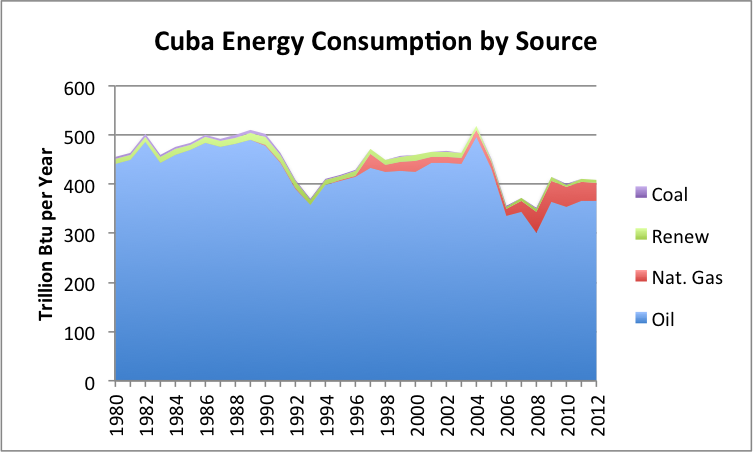
Dependence on oil for electricity is one of the big issues affecting Cuba today. Island nations, including Cuba, very often use oil to produce much of their electricity supply, because it is easy to transport and can be used in relatively small installations. As long as the price of oil was low (under $20 barrel or so), the use of oil for electricity was not a problem.
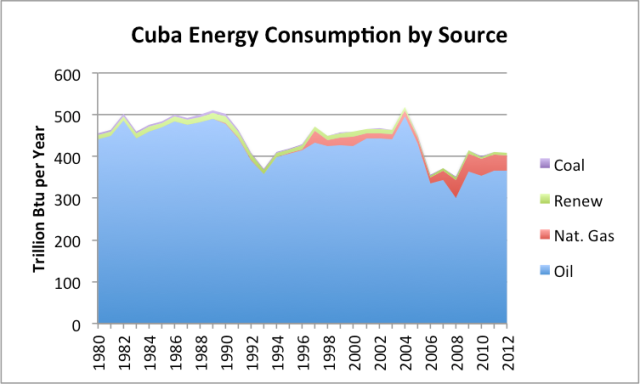
Figure 1. Cuba’s energy consumption by source, based on EIA data.
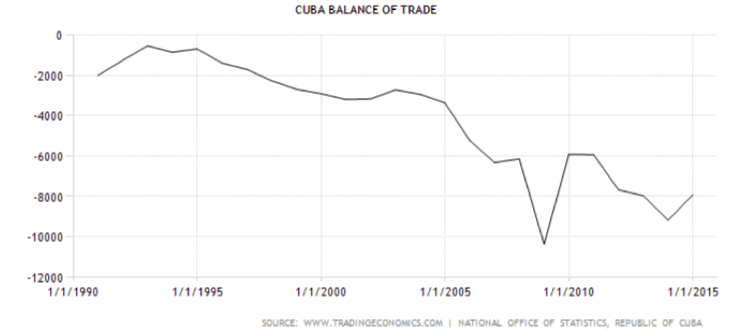
Once the price of oil becomes high, the high cost of electricity makes it difficult to produce goods for export, because goods made with high-priced electricity tend not to be competitive with goods made where the cost of electricity is cheaper. Also, once the cost of oil rises, the price of imported food tends to rise, leading to a need for more foreign exchange funds for imports. In addition, the cost of vacation travel becomes more expensive, driving away potential vacationers. The combination of these effects tends to lead to financial problems for island nations.
- Cuba – Caa2
- Dominican Republic – B1
- Haiti – Not Rated
- Jamaica – Caa3
- Puerto Rico – Caa1
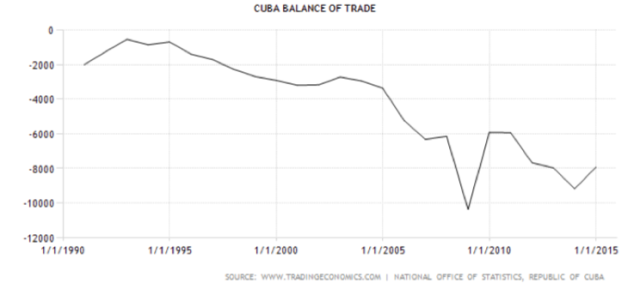
Figure 2. Cuba balance of trade. (In US $. 000,000s omitted) Chart by Trading Economics.
2. Cuba has a low-cost arrangement for buying oil from Venezuela, but this can’t be depended upon.
Venezuela is Cuba’s largest supplier of imported oil. The recent drop in oil prices creates a problem for Venezuela, because Venezuela needs high oil prices to profitably extract its oil and leave enough to fund its government programs. Because of these issues, Venezuela is having serious financial difficulties. Its financial rating is Caa3, which is even lower than Cuba’s rating. Cuba uses its excellent education system to provide physicians for Venezuela, and because of this gets a bargain price for oil. But it can’t count on this arrangement continuing, if Venezuela’s financial situation gets worse.
3. Neither high nor low oil prices are likely to solve Cuba’s financial problems; the real problem is diminishing returns (that is, rising cost of oil extraction).
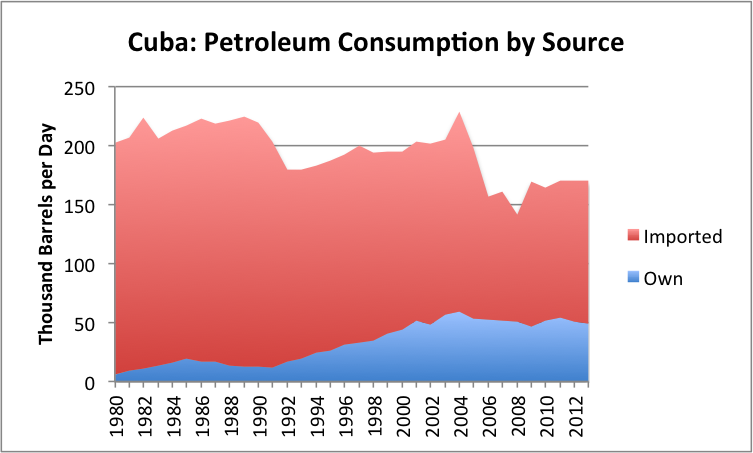
Cuba finds itself in a dilemma similar to that that the rest of the world is experiencing–only worse because it is an island nation. The rising cost of oil extraction is pushing the world economy toward lower economic growth, because the higher cost of oil extraction is in effect making the world’s production of goods and services less efficient (the opposite of growing efficiency, needed for economic growth). The extra effort needed to extract oil from deep beneath the sea, or used in fracking, makes it more expensive to produce a barrel of oil, and indirectly, the many things that a barrel of oil goes to produce, such as a bushel of wheat that Cuba must import.
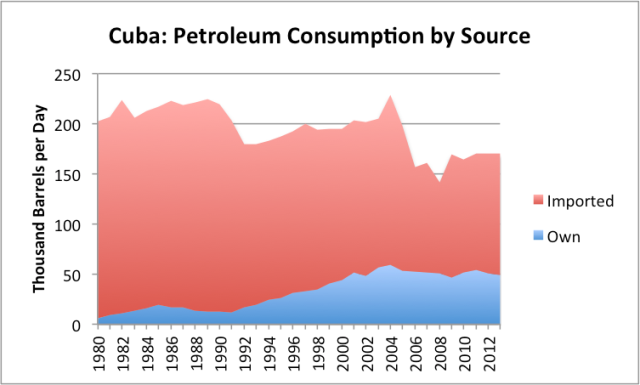
Figure 3. Cuba’s oil consumption, separated between oil produced by Cuba itself and imported oil, based on EIA data.
If the price of oil is low, Venezuela’s financial problems will become worse, increasing the likelihood that Venezuela will need to cut back on its low-priced oil exports to Cuba.
Conversely, if the price of oil is high enough to enable profitability of oil extraction in Venezuela and Cuba, say $150 per barrel, then airline tickets will be very expensive, cutting back tourism greatly. The cost of imported food is likely to be very high as well.
4. One way Cuba’s problems are manifesting themselves is in cutbacks to entitlements.
Back in the early 1960s, Fidel Castro’s plan for the economy was one of perfect communism–the government would own all businesses; every worker would receive the same wages; a large share of what workers receive would come in the form of entitlements. What has been happening recently is that these entitlements are being cut back, without wages being raised.
Wages for all government workers are extremely low–the equivalent of $20 per month in US currency. This was not a problem when workers received essentially everything they needed through a very low-priced ration program and other direct gifts, but they become a problem when entitlements are cut back.
Each year, each Cuban family receives a ration booklet listing each member of the family, each person’s age, and the quantity of subsidized food of various types that that person is entitled to, based on the person’s age. Other items besides food, such as light bulbs, may be included as well.
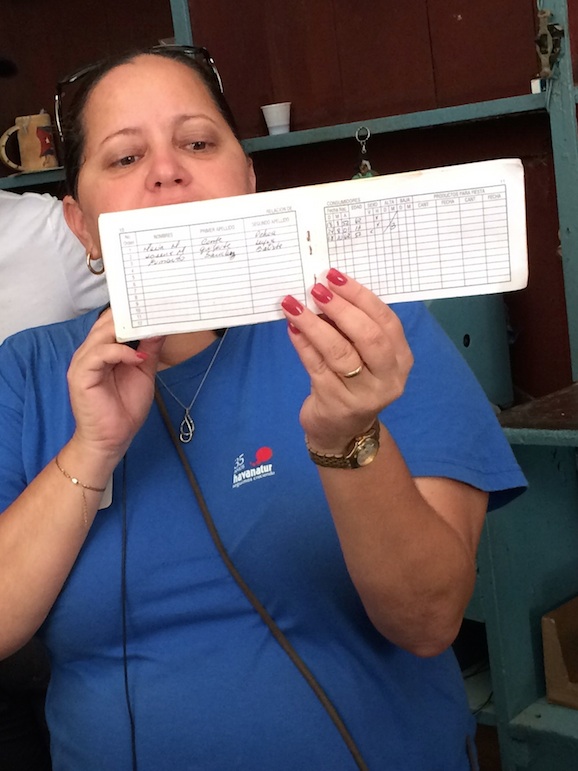
Figure 4. Ration booklet being explained by one of tour leaders.
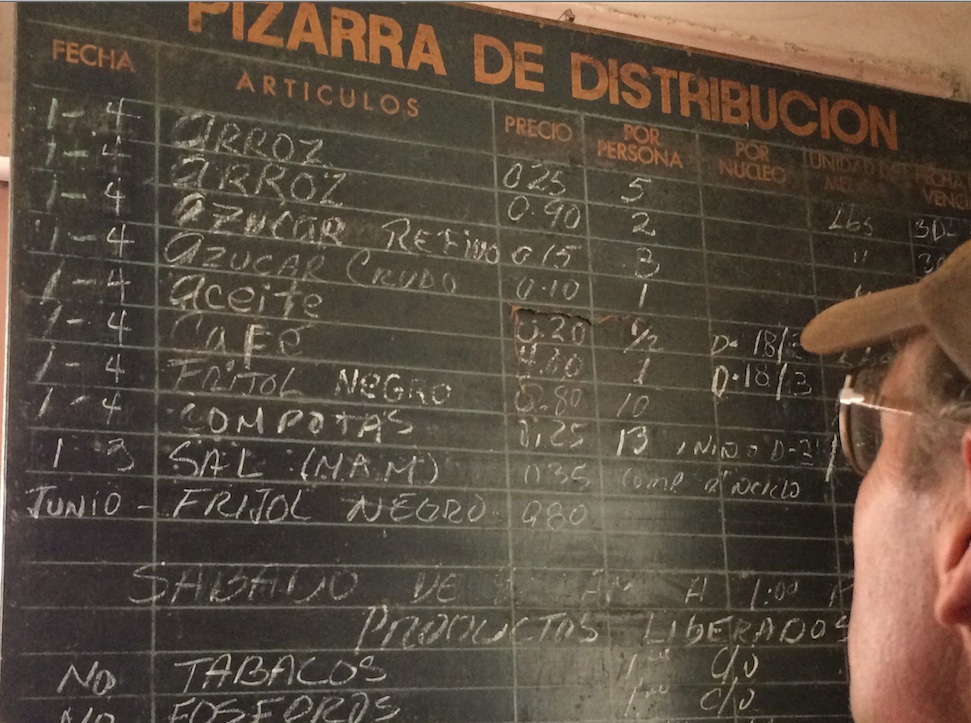
The store providing the subsidized food keeps a list of foods available and prices on a blackboard.
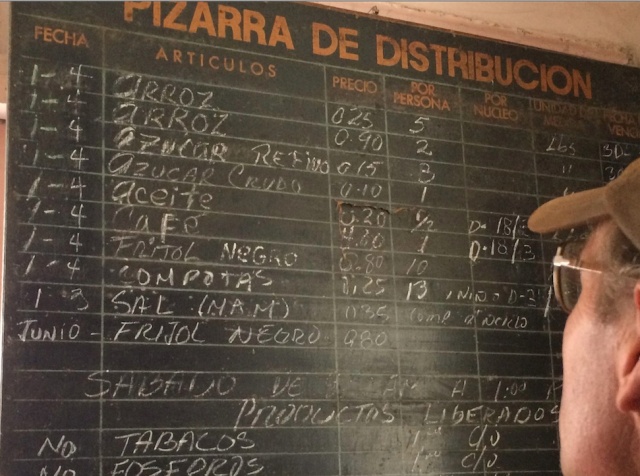
Figure 5. Ration price list on wall of store we visited.
One way that the standard of living of Cubans is being reduced because of Cuba’s financial problems is by cutbacks in the types of goods being subsidized. Also the quantities and prices are being affected, but the average wage of $20 per month remains unchanged.
5. Another way Cuba’s financial problems are manifesting themselves is as higher prices charged to Cubans for goods not available through the ration program.
Since 1993, Cuba has had a two currency program. Cubans were able to purchase goods only in stores intended for Cuban residents using Cuban pesos. (This situation is similar to a company store program, in which a business issues pay in a currency which can only be used on goods available in the company story.) A second currency, Cuban Convertible Pesos (“CUCs”), pegged 1:1 with the US dollar, has been used for the tourist trade, and for international purchases. Cubans were not allowed to purchase goods in businesses offering goods in CUCs.
Now the situation is changing. Goods in stores for Cubans are marked in both currencies, and Cubans are permitted to purchase goods in more (or all?) types of businesses.
The change that seems to be occurring in the process of marking goods to both currencies is that goods as priced in Cuban pesos are becoming much more expensive for Cubans. Cubans are finding that their $20 per month paychecks are going less and less far. This is more or less equivalent to value of the Cuban peso falling relative to the US dollar. This decrease is difficult for international agencies to measure, because the prices Cubans were paying were not previously convertible to the US dollar. The big impact would occur in 2015, so is too recent to be included in most inflation data.
6. Another way Cuba’s problems are manifesting themselves is through low traffic on roads.
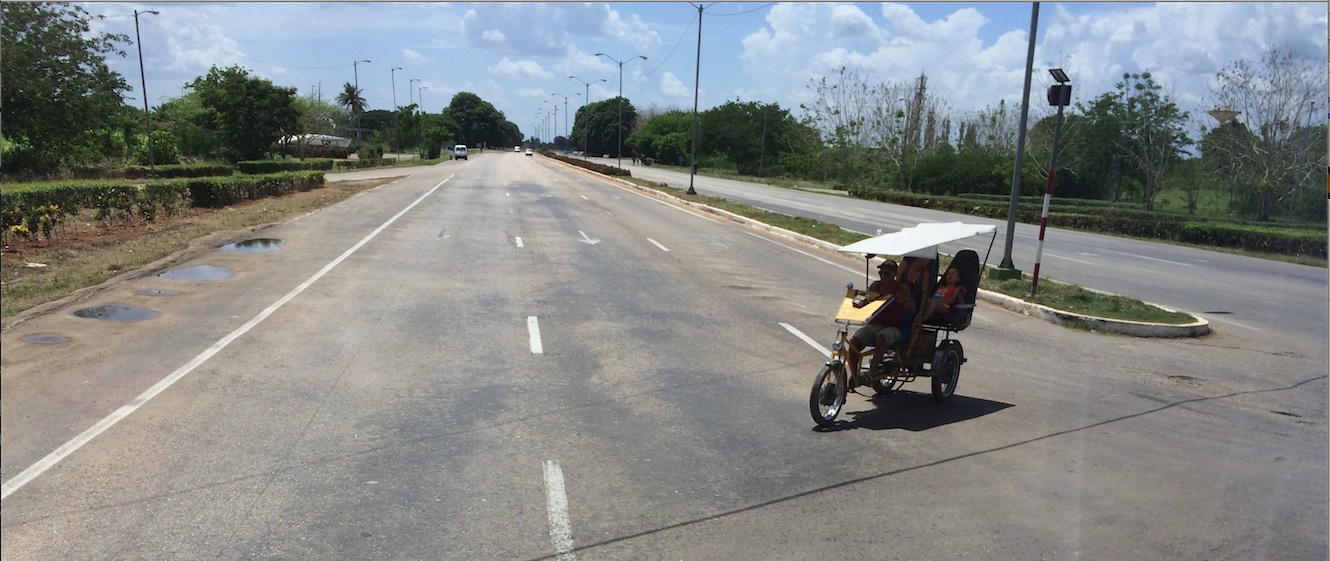
How much gasoline would you expect a person earning $20 per month to buy, if gasoline costs about $5 gallon? Not a lot, I expect. Not surprisingly, we found traffic other than buses and taxis to be very low, especially outside Havana. Figure 6 shows one fairly extreme example. The three-wheeled bicycle in front is a popular form of taxi.
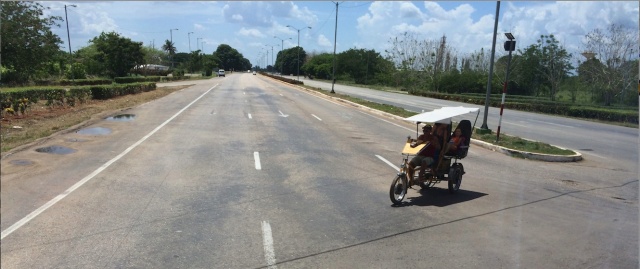
Figure 6. Example of low traffic on road. This road was not far from Havana.
If a person travels away from the Havana area, transport by horse and buggy is fairly common.
7. As a workaround for Cuba’s falling inflation-adjusted wages of government workers, Cuba is permitting more entrepreneurship.
Certain workers, such as musicians and artists, have always been able to earn more than the average wage, through programs that allowed these workers to sell their wares and keep the vast majority of the sales price.
In addition, many individual citizens try to figure out small things that they can do (such as sell peanuts, pose for photos, or sing songs) to earn tips from foreigners. The amounts they earn act to supplement the wages they earn working for the government.
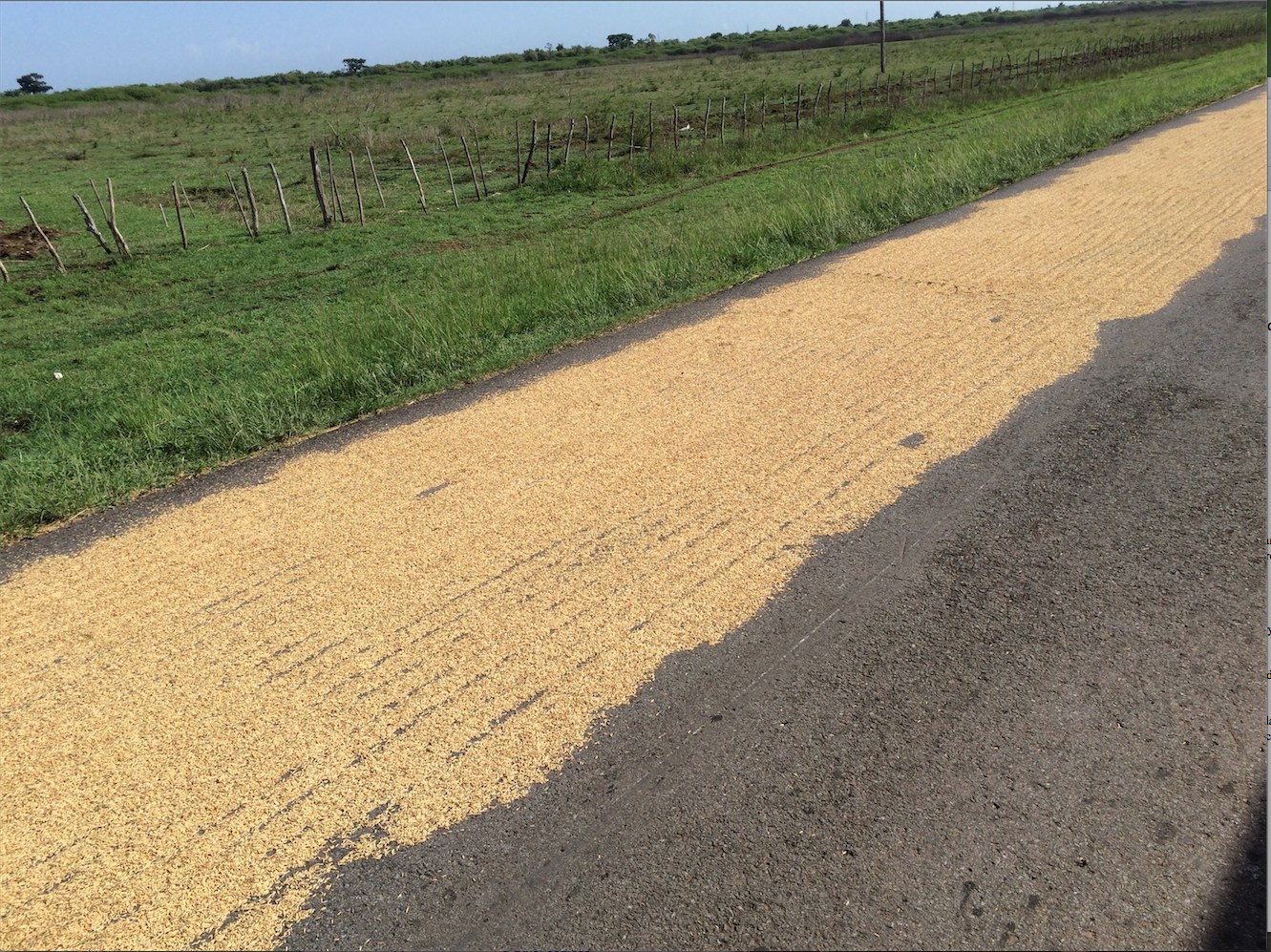
Other new businesses are in the food production sector. We met one farmer who was growing rice, with the help of twenty workers he had hired. The farmer used land that he had leased for $0 per year from the government. He dried his rice on an underutilized two-lane public road. The rice covered one lane for many miles.
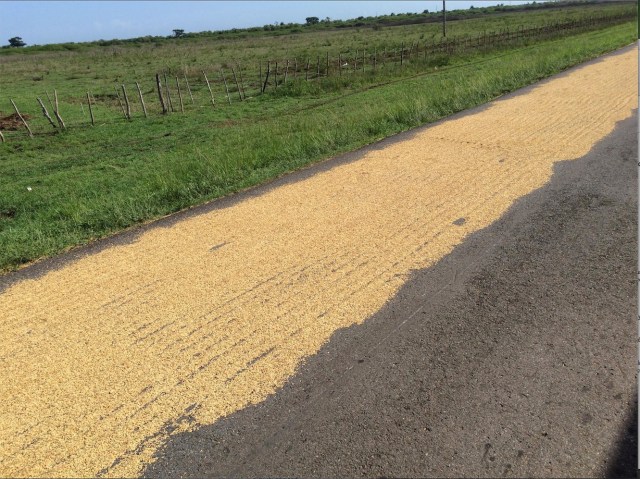
Figure 7. Rice laid on road to dry.
The farmer sold most of his rice to the government, at prices it had set in advance. The farmer was able to pay his workers $80 per month, which is equal to four times the average government wage.
8. Cuban citizens and its government are concerned about the country’s financial problems and are finding other solutions in addition to entrepreneurship.
Cuban citizens are concerned, because with only $20 month of spendable income and higher prices on almost everything, they are being “pushed into a corner.” The vast majority of jobs are still government jobs, paying only an average of $20 month. There aren’t very many ways out.
In order to make ends meet, it is very tempting to steal goods from employers, and resell them at below market prices to others. We were warned to be very careful about changing money, because it is very common to be shortchanged, or to receive Cuban pesos (which are worth about 1/24th of a CUC) in change for goods purchased in CUCs.
One legitimate way of increasing the wealth of Cuban citizens is to increase remittances from relatives living in the US. Legislation making this possible has already been implemented. Estimates of remittances from the US to Cuba range from $2 billion to $3.5 billion per year, prior to the change.
Another way of increasing Cuban revenue is to increase tourism. Selling services abroad, such as sending a Cuban choir to perform for US audiences, also acts to increase Cuba’s revenue. Getting rid of the US embargo would help expand both tourism and the sale of Cuban services abroad. This is no doubt part of the reason why Cuba, under the leadership of Raul Castro (Fidel’s brother), is interested in re-establishing relationships with the United States.
9. Most of Cuba’s accumulated wealth from the past is depleting wealth that requires continuing energy inputs to maintain.
Cuba has many fine old buildings that are a product of its past glory days (sugar exports, tobacco sales, casino operations). These buildings need to be maintained or they fall apart with age. In other words, they need the addition of new building materials (requiring energy products to create and transport), if they are to continue to be used for their intended purpose.
Cuba now has a severe problem with old buildings falling apart from decay. I was told that three buildings per day collapse in Havana. With a chronic shortage of energy supplies, Cuba has been able to use these buildings from past days to give themselves a higher standard of living than otherwise would be possible, but this dividend is slowly coming to an end.
Likewise, fields used for growing sugar or tobacco are assets requiring continued energy investment. If the Cuban government were to stop plowing fields and adding fertilizer to restore lost nutrients,1 nature would take care of the problem in its own way–acacia (a type of nitrogen-fixing shrub/tree) would overtake the land, making it difficult to replant. The fact that the Cuban government did not keep adding energy products to some of the fields is a major reason why the Cuban government is now leasing land for $0 an acre. Quite a bit of the land formerly used for sugar cane needs to be cleared of acacia before crops can be grown on it.
Even Cuba’s famed 1950s vintage autos are a depleting asset. Replacement parts are frequently needed to keep them operating.
The illusion that Cuba could afford to pay owners for the value of property appropriated by the Cuban government in 1959 is just that–an illusion. The wealth that was available was temporary wealth that could not be packaged and sent elsewhere. Sugar cane and tobacco had been grown in ways that depleted the soil. Furthermore, most workers had been paid very low wages. The buyers of these products had reaped the benefits of these bad practices in the form of low prices for sugar and tobacco products. It is doubtful whether Cuba could ever have paid the former owners for the land and businesses it appropriated, except with debt payable by future generations. It certainly cannot now.
10. I wasn’t able to find out much about the permaculture situation in Cuba, but my impression is that the outcome is likely to be determined by financial considerations.
Subsidies can work reasonably well, as long as the economy as a whole is producing a surplus. Such a surplus tends to occur when the cost of energy production is low, because then it is easy for a growing supply of low-priced energy to boost human productivity.
Now that Cuba’s economy is not faring as well, the government is finding it necessary to start evaluating whether the approaches they are taking are really cost effective. More emphasis is placed on entrepreneurs producing goods at prices that are affordable by customers. Thus, an entrepreneur might operate a permaculture garden. My impression is that permaculture will do well, if it can produce goods at prices that consumers can afford, but not otherwise. Consumers who are starved for money are likely to cut back to the very basics (rice and beans?), making this a difficult requirement to meet.
11. Cuba has done better on keeping population down than many other countries.
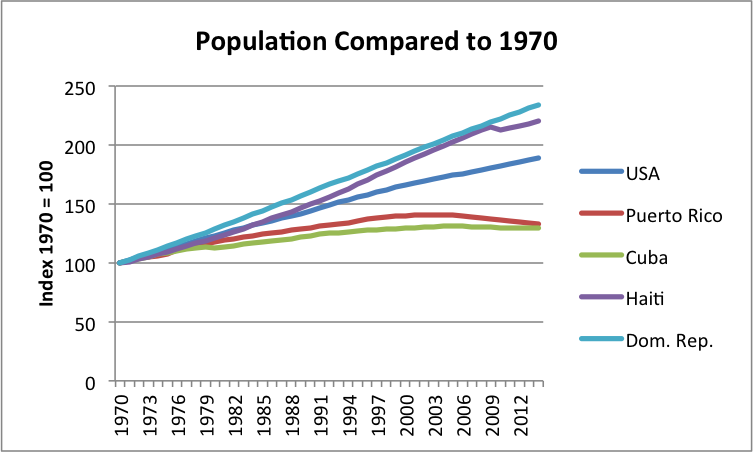
If we look at the population growth trends since 1970, Cuba has done better than its nearby neighbors in keeping population down.
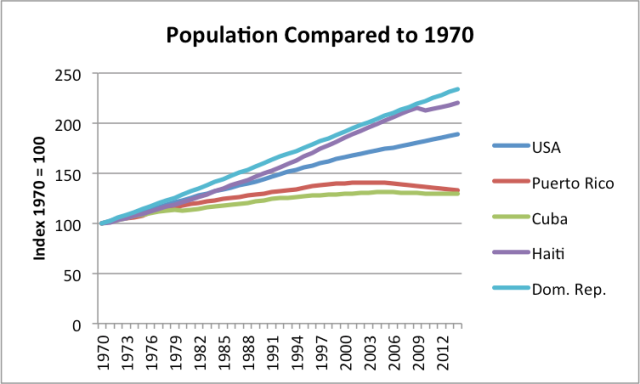
Figure 8. Cuba population compared to 1970 estimates, along with those of selected other countries, based on USDA population estimates.
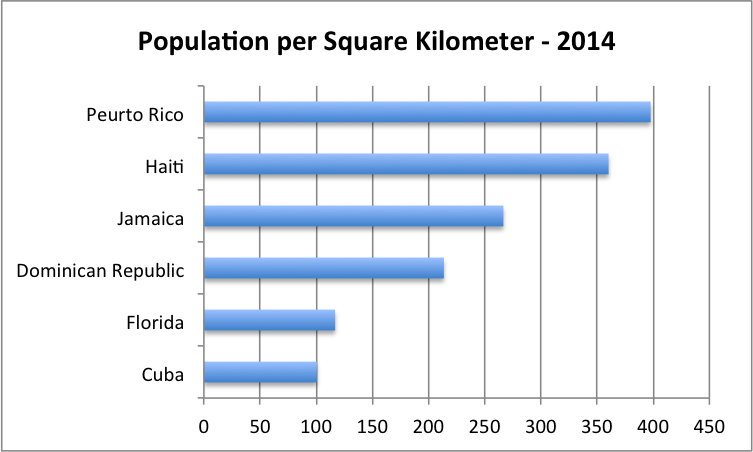
In fact, Cuba’s 2014 population per square kilometer is low compared to its neighbors, as well.
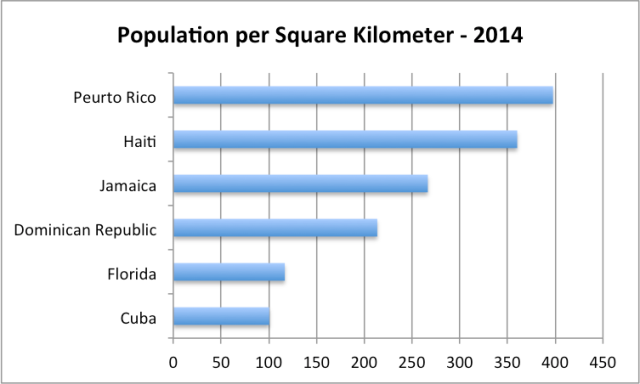
Figure 8. Population for Cuba and several nearby areas expressed in population per square kilometer.
One thing that many people would point to in the low population growth statistics is the high education of women in Cuba. This is definitely the result of Fidel Castro’s policies.
It seems to me that housing issues play a role as well. Cuba has added very little housing stock in recent years, even though the population has grown. This means that either multiple generations must live together, or new homes must be built. Cuba hasn’t provided a way for doing this (financing, etc). Under these circumstances, most families will keep the number of children low. There is simply no more room for another person in state-provided housing. No one would consider building a shack with local materials, without electricity and water supply, as a workaround.
12. In many ways, Cuba is better prepared for a fall in standard of living than most countries, but a change in its standard of living is still likely to be problematic.
As we traveled through Cuba, we saw a huge amount of land that either was currently planted in crops, or that could fairly easily be planted as crops. We also saw many acres over-run by acacia, but that still could support some feeding by animals. Cuba is not very mountainous, and generally gets a reasonable amount of water for at least part of the year. These are factors that are helpful for supporting a fairly large population, if crops are chosen to match the available rainfall.
The Cuban population is also well educated and used to working together. Neighbors tend to know each other, and work to support each other through community associations called Committees for the Defense of the Revolution.
The problem, though, is that the changes needed to live sustainably, without huge annual balance of payment deficits, are likely to be quite large. Sugar production in Cuba began in the early 1800s. Since that time, Cuba’s economy has been organized as if it were part of a much larger system. Cuba has grown large amounts of certain products (sugar cane and tobacco), and much less of products that its population eats regularly (wheat, rice, beans, corn, and chicken). Residents have gotten used to eating imported foods, rather than foods that grow locally. According to this document, the government of Cuba reported importing 60% to 70% of its “food and agricultural products,” amounting to $2 billion dollars, in 2014. Regardless of whether or not this percentage is calculated correctly, there is at least a $2 billion per year gap in revenue caused by eating non-local foods that needs to be closed.
In theory, Cuba can produce enough food for all of its current population, even without fossil fuels. Doing so would require changes to what Cubans eat. The diet would need to be revised to include greater proportions of foods that can be grown easily in Cuba (plantain, yucca, bread plant, etc.) and fewer foods that can’t. Many people would likely need to move to locations where they can help in the growing and distribution of these foods. Given the current lack of funding, most of these new homes and businesses would likely need to be built by residents using local materials. Thus, they would likely need to look like the shacks (without electricity or running water) that Fidel Castro was able to do away with as a result of his 1959 Revolution.
There might also need to be a reduction to the amount of healthcare and education available to all. This would also be a big let down, because people have gotten used to the current plan of free education and free modern medical care for all. Education and health care no doubt account for a big share of Cuba’s high GDP today, but Cuba may also need to bring down these costs down to an affordable level, if it is to have a sustainable economy.
Note:
[1] Alternatively, better practices might be used that involve crop rotation and permaculture practices. The effect would still have been the same–some type of energy, including a combination of human energy and other kinds of energy, would be needed to keep fields producing some kind of useful crop.