Showing posts with label Biodiversity loss. Show all posts

Thursday, May 9, 2019

3240. The Wild Way to Rapid Transition – How Rewilding can Slow Climate Breakdown, Protect from its Worst Effects and Improve Biodiversity

By The Staff, Rapid Transition, May 9, 2019
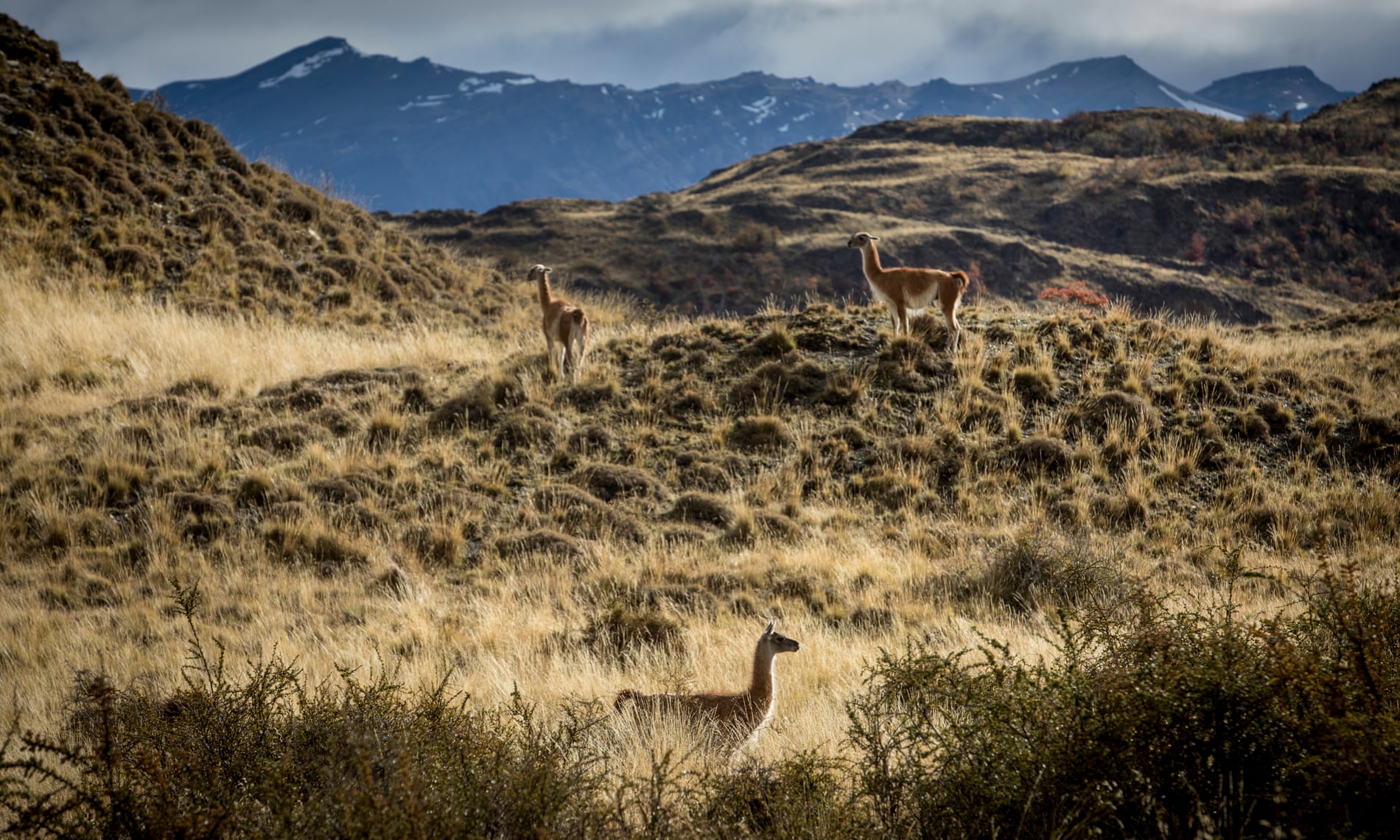

Even as they fall under increasing pressure from human activity, the restoration of natural habitats like forests, is a key component of rapid transition. Not only is it a vital defence against climate breakdown, but it also protects the web of life and is beneficial for human well-being too. This ‘rewilding’ has caught the public imagination, sometimes with trepidation where the reintroduction of certain species are concerned, but the speed of attitude change is illustrated by the television naturalist, David Attenborough, whose long-awaited embrace of climate activism has recently seen new documentaries on both the BBC and Netflix. As recently as 2016, Attenborough was hesitant about rewilding, but now he cites it as a cornerstone of combating climate change.
Almost a century after they were wiped out in Northern Europe and the USA, wolves, for example, are returning, causing awe and delight in some, and fear and controversy in others. Intense debate followed publication of the book ‘Feral’ by journalist George Monbiot, in which he argued for widespread rewilding. Wolves are just one of the 21 key species identified by the organisation Rewilding Britain for reintroduction as part rewilding, which they believe can help save landscapes, and restore biodiversity. According to a 2018 report by the Royal Society, rewilding could also be used to lower greenhouse gas emissions and store carbon; native herbivores both produce less methane than modern cattle and maintain forests by dispersing seeds in their dung. Wild creatures work quickly and for free, offering a rapid transition of our landscape that could help mitigate some of the effects of climate change.

In the UK, although there is a growing understanding of wildlife gardening and urban rewilding – leaving areas unmown, leaving dead wood and fallen leaves for wildlife to inhabit – large scale rewilding remains contentious. We are wary of truly wild wildlife, but we understand the value of trees and greenery to human well- being. In 2013, the Woodland Trust estimated that if every household in England were provided with good access to quality green space, it could save an estimated £2.1 billion in healthcare costs. The UK is currently home to two large scale rewilding projects – the 3,500 acre Knepp estate in Sussex and the 23,000 acre Alladale Highland estate near Inverness in Scotland, both privately owned and driven by each owner’s vision.
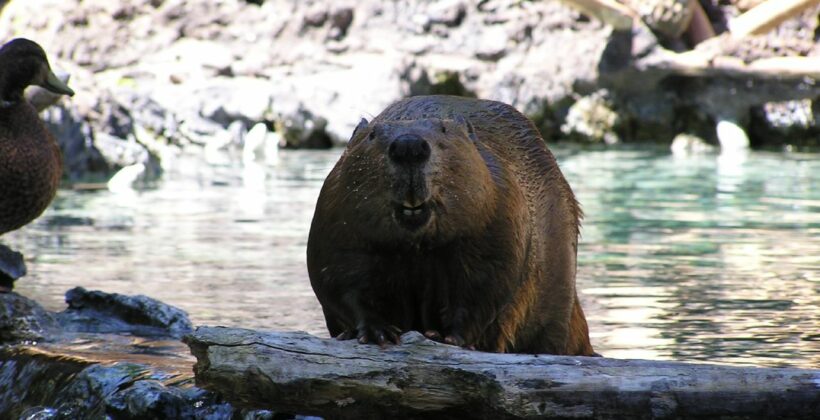
Beavers are thriving once more after being reintroduced in the UK. Credit: Rachel Knickmeyer (CC BY-NC-ND 2.0)
Charismatic animals like the Lynx, the wildcat and the wild boar are all candidates for reintroduction in the UK, but the humble beaver is currently the key species leading the way: its incredible engineering skills create a diverse range of habitats for birds, insects, fish, small mammals and plants; slowing down water flow; preventing flooding downstream; and storing water for use locally. Beavers are native to the UK but were hunted to extinction for their highly prized fur. In 1789, the last bounty was paid in Britain for a Eurasian beaver skull; today they are thriving again – some as part of highly controlled, fenced and monitored trials and some from unregulated releases.

Wider relevance

Rewilding proves how good nature is at bouncing back to abundance, given the opportunity to thrive without human interference. This gives us hope for a future in which human populations could live in a more diverse environment, where the balance of nature helps mitigate our more destructive tendencies. Beavers had all but died out across Europe by the 18th century, but are returning successfully to manage waterways, ponds and whole water catchment areas. Most ponds used to be made by beavers, but are now man made. In the Devon Beaver Project site, one family of beavers made over 10 ponds in just three years, benefitting a huge array of dragonflies, birds and amphibians. The 10 clumps of frogspawn laid in 2011 increased to 370 clumps by 2018.

The reintroduction of wolves into Yellowstone Park in the US in 1995 is interesting because it shows how rewilding can work on a large scale to increase biodiversity. By the end of the 1920s almost all of the United States’ wolves were killed off, predominantly by ranchers protecting their livestock. They clung on in small populations in the northern wildernesses along the border with Canada. Within a few years, however, the Yellowstone wolf packs had made favourable impacts on the whole ecosystem through their control of the herbivore elk population. They reduced overall numbers of elk, which had grown enormous without predators, taking pressure off the grazing areas and allowing more trees to grow. Along river banks, the tree growth slowed the flow of water and reduced flooding in times of heavy rainfall. It also shaded the banks, allowing fish to flourish. The wolves are also bringing in money: wolf watching is big business and brings in an estimated four times more than elk hunting.

The finances are important because rewilding is often predicted to be a costly effort, causing the loss of productive land for food and the death of livestock by large predators. However, for a fairly small amount of money and in the right place, big changes can happen that can offer enormous benefits downstream – literally. Research by the UK’s Environment Agency suggests returning England’s water bodies to a good ecological condition could generate benefits worth £21 billion over a 37-year period. Beavers could be part of this solution, restoring wetlands, boosting water reserves and slowing down flood water. Beaver dams also act as a filter capturing pollutants such as agricultural fertilisers.
Rewilding also holds great hope for carbon capture. Healthy peat soaks up carbon as it forms over centuries. Britain has 13% of the world’s peat – but 80% is damaged and needs restoration. For every hectare, peatland absorbs the equivalent of around 3.6 tonnes of carbon dioxide per year. Maintaining vital water levels in peatland is often part of the rewilding process. Reforestation is similarly beneficial; much of the land in the UK would naturally support trees that absorb carbon – but at just 13% it has some of the lowest tree cover in Europe. For every hectare, woodland can absorb an average equivalent of around 12.8 tonnes of carbon dioxide per year.

One of the important ways in which rewilding is relevant to building a sustainable future is that it enables us to forge new relationships with the wider natural world, including top predators with whom we must share the planet if we are to survive. There is no doubt that predators will take livestock, but we can mitigate losses with planning, design and compensation. For example, Germany sees much fewer losses from herds because they keep livestock enclosed, while French farmers with sheep in the mountains complain of high losses (for which they receive compensation). Using specialist dog breeds to warn off wolves has also proven highly successful. There are some surprising benefits too: the return of the wolf also brings the return of the shepherd staying with the sheep, an ancient role that had almost disappeared from our farming environment.

Rewilding demands a cultural shift and this will be closely related to the shift needed for rapid transition in other areas. Sharing space with messy, complex nature and predators with large teeth is something to which we can and must adapt. It is worth noting that there have always been thousands of wolves on the Iberian peninsular, and although they are persecuted by people, they survive alongside a human population that is accustomed to their presence. After all, most wild creatures prefer to avoid humans; wildcats survive in Scotland because they prefer woodland, watercourses and meadows, while keeping a critical distance from villages, houses and roads. Perhaps this cultural shift could include learning from people who live close to animals that threaten them or their livelihoods, such as the Masai in East Africa, who farm livestock without eradicating lions.

Context and Background

Conservation management has failed to stem the tide of biodiversity loss. We need biodiversity to enable our food to grow, to store carbon naturally, to manage water, and for our own well-being. In Britain, the 2016 State of Nature report highlighted that between 1970 and 2013, 56% of species declined, with 40% showing strong or moderate declines. Of the nearly 8,000 species assessed using modern Red List criteria, 15% are extinct or threatened with extinction from Great Britain. A new measure that assesses how intact a country’s biodiversity is, suggests that the UK has lost significantly more nature over the long term than the global average. The index suggests that we are among the most nature-depleted countries in the world. The Living Planet Index shows a 58% global decline in populations of amphibians, fish, reptiles, mammals and birds between 1970 and 2012, varying from 36 to 38% in terrestrial and marine ecosystems to 81% in freshwater habitat.
The National Ecosystem Assessment highlighted that 30% of ecosystem services – the benefits and services nature provides society and the economy, such as clean water and flood alleviation – are in decline, and many others are impoverished compared to historical baselines. Soil degradation is estimated to be costing England and Wales £1.2 billion per year. The causes include: erosion, compaction, loss of organic matter, loss of soil biodiversity and contamination. Rewilding may be the fastest, most effective way of undoing some of this damage.

Rewilding can take a ‘passive’ form (letting land go fallow and not continuing human activity – even in the corner of a garden), ‘active’ (carrying out a range of measures including allowing species to self seed and grow, using hydration and fire but not introducing species), and ‘trophic’ (ecological restoration strategy that uses species introductions to restore top-down trophic interactions and associated trophic cascades to promote self-regulating biodiverse ecosystem). Beaver re-introduction falls into this last category, as they create a local ecosystem that is self regulating and with knock on benefits for ecosystems adjacent to it and downstream. Rewilding has been highlighted as a possible management approach in the follow-up to the first National Ecosystem Assessment. It has also been discussed as a potential solution to help mitigate flooding.

Rewilding is still contentious, but attitudes can quickly change. As recently as 2016, the globally feted naturalist David Attenborough was hesitant about Rewilding; but in 2019 he released a film called Climate Change: The Facts, listing rewilding as one of the cornerstones of combating climate change. This will undoubtedly raise the profile of the concept and help to make it more mainstream. David Attenborough’s film on the impact of plastic on wildlife is widely credited with changing public perceptions and generating unprecedented action.

Enabling factors

Most of the transitions that have occurred as a result of rewilding in the UK have been brought about because individuals with the vision and land have stepped forward at a time when government resources are tight and no immediate alternatives to the biodiversity crisis are in sight. Rewilding has happened mostly in protected parks, on large private estates, on reserves owned by conservation bodies and on private farmland. This has enabled trials to happen away from the public gaze. Many of the successful beaver releases have been unplanned and unregulated – beavers are native and therefore suited to our landscape; they flourish without our help.

The 3,500 acres of the Knepp Estate in Sussex are a good example of how private wealth coupled with enlightening risk taking can facilitate change. This estate is completely devoted to a process-led rewilding project involving free-roaming herds of cattle, horses, pigs and deer as the drivers of habitat creation. The results have been spectacular. Since its inception in 2001, numerous Red Data species like lesser spotted woodpeckers, long-eared owls and ravens have returned to Knepp and populations of common species are rocketing. Knepp Wildland is now a breeding hotspot for turtle doves and purple emperor butterflies, and boasts 2% of the UK’s entire breeding population of nightingales.

In other European countries, the government has taken a more proactive role, and several large schemes are in play across the continent, including 580,000 hectares of the Danube delta, Romania’s Southern Carpathian mountains, the Velebit mountainous region in Croatia, the Central Apennines rewilding area, and the Rhodope Mountains in Bulgaria. Much of this work led by Rewilding Europe – which is a Netherlands-based independent foundation working across Europe – has been funded with EU money. Their main tactics are undoing what is there, which is largely a one-off cost with reduced ongoing management, and attractive to funders:
  • Removing dams and dykes to restore river dynamics and reflooding;
  • Restore prey base by restocking animals for carnivores and scavengers;
  • Bring in large wild herbivores to restore natural grazing;
  • Remove fences to ‘unchain’ the beauty and the free movement of wildlife; and
  • Remove tree plantations to restore natural forest.

Scope and evidence

  • Rewilding can build resilience to the extreme weather exacerbated by climate breakdown. The UK government, Defra-funded Source to Sea project at The National Trust’s Holnicote Estate in Exmoor trialled various measures to slow flows and store water that mimic beaver activity. During the unprecedented rainfall in Somerset in winter 2013, there was no flooding in villages that regularly suffered in the past.
  • In a US study, water took three-to-four hours to travel 2.6km where there were no beaver dams. When a single, leaky beaver dam, 1.5m high, was established, it took 11 days to cover the same distance.
  • According to the Carbon Brief website, the loss of living herbivores, such as American tapirs and African and Asian forest elephants, could cause the world’s tropical forests to lose between 2% and 12% of their stored carbon.
  • Research released in 2017 estimated that, over the past 1,000 years, the replacement of wildlife with cattle in Africa has caused methane emissions to more than double from 3.4m tonnes a year to 8.9m tonnes a year.
  • George Monbiot in his book “Feral” rates the following species as suitable for rewilding projects in the UK: Beaver, Bison, Blue stag beetle, Lynx, Wild boar, Wild cat, Wolf, Capercaillie, Common crane, Dalmatian pelican, Eagle owl, Goshawk, Great bustard, Night heron, Osprey, Spoonbill, White stork, White-tailed eagle, Grey whale, European sturgeon.
  • Studies of the Pontbren Project in mid-Wales showed that shelter belts of trees kept up to 60 times the amount of water in the soil compared to pasture. The tree roots appear to create channels for water flow, allowing the soil to act as a sponge.
  • Beavers can alter the structure of the flow of water systems, create a rich resource of deadwood, create ponds that are beneficial to amphibians, alleviate downstream flooding, improve water quality and attract tourists.Plans to re-introduce the Lynx to Britain are being suggested by the Lynx UK Trust.
  • Wild boar have re-established themselves in Britain after an approximate 400-year absence. Wild boar can create tens of square metres of bare ground per week. By grubbing in the woodland floor, they increase the diversity of the plants that can grow there. They dig up bracken rhizomes, allowing tree seedlings to rise through what would otherwise be an impenetrable mat. Their wallows are a useful habitat for water-loving plants, insects and amphibians.
  • Wolf reintroduction to Scotland would save Highland estates the cost of culling the deer herd.

References

Wednesday, May 8, 2019

3238. Landmark Analysis Documents the Alarming Gobal Decline of Biodiversity

By Erik Stodstad, Science Magazine, May 6, 2019


https://www.sciencemag.org/sites/default/files/styles/inline__699w__no_aspect/public/rhino_16x9.jpg?itok=FS2jB-s2
Black rhinos, poached for their horns, are just one of some 1 million species that a new report warns are at risk of extinction. Mint Images/Aurora Photos
The state of biodiversity and ecosystems is at its most perilous point in human history and the decline is accelerating, warns a landmark assessment released today. But the hope is that the bleak assessment—crafted by hundreds of scientists and historic in its depth and breadth—will finally persuade governments and others of the need to change course and prevent further harm to the ecological systems that provide for human well-being. “What’s at stake here is a livable world,” says Robert Watson of the University of East Anglia in Norwich, U.K., who chaired the organization that produced the report.

Only transformative changes to economic, political, and social systems will allow nations to meet agreed targets for nature conservation, the authors conclude. The core message is “quite radical,” says Georgina Mace, an ecologist at University College London who reviewed the assessment. “You have to prioritize nature and nature’s benefits to people in everything you do.”

The report confirms “that we can’t just preserve, we must reverse the trend by increasing biodiversity locally, regionally, and globally,” said Alexandre Antonelli, director of the Royal Botanic Gardens, Kew in the United Kingdom, in a statement.

The report comes from the Intergovernmental Science-Policy Platform on Biodiversity and Ecosystem Services (IPBES), based in Bonn, Germany, which includes representatives from more than 100 countries. More than 450 experts from around the world were involved in drafting the 1800-page report over 3 years. They reviewed some 15,000 scientific papers and other sources of data on trends in biodiversity and its ability to provide what are known as ecosystem services or nature’s contributions to people: everything from food and fiber to clean water and air.

Many species are declining, the report notes. Out of 8 million known species of animals and plants, about 1 million are under threat of extinction, including more than 40% of amphibian species and a third of marine mammals. Even more are declining in numbers: Since 1900, native species have become, on average, about 20% less abundant. Measures of the extent and condition of natural ecosystems have declined 47% since the earliest estimates and many are deteriorating by 4% every decade.

The report highlights other metrics of the decline of nature and its human domination. They include:
  • Seventy-five percent of land has been “severely altered” by human activities.
  • More than a third of land and almost 75% of freshwater is used for crops or livestock.
  • The extent of living coral reef has dropped by perhaps half since the 1870s.
  • One hundred million hectares of tropical forest have been destroyed between 1980 and 2000.
  • Wetlands, which provide clean water and fish, are being destroyed three times faster than forests.
  • Plastic pollution has increased 10-fold since 1980 and 300 million to 400 million tons of industrial waste are dumped each year.
  • Coasts are marred by some 400 low-oxygen dead zones, equivalent to the area of the United Kingdom.
“The message is unfortunately very alarming,” says Hesiquio Benitez of the National Commission for the Knowledge and Use of Biodiversity in Mexico City, a national delegate who voted to approve the report. “We’re reaching the limits of the planet.”

For the first time at a global scale, the report has ranked the causes of damage. Topping the list, changes in land use—principally agriculture—that have destroyed habitat. Second, hunting and other kinds of exploitation. These are followed by climate change, pollution, and invasive species, which are being spread by trade and other activities. Climate change will likely overtake the other threats in the next decades, the authors note. Driving these threats are the growing human population, which has doubled since 1970 to 7.6 billion, and consumption. (Per capita of use of materials is up 15% over the past 5 decades.) The report also includes perspectives from indigenous and local communities to a greater extent than before. Lands managed by indigenous peoples are declining less quickly than elsewhere, but 72% of indicators developed by such communities show deterioration of nature.

There are a few bright spots, mostly the increasing creation of nature reserves and marine protected areas. But the progress is not nearly enough to meet most of the international conservation targets that nations set in the Convention on Biological Diversity in 2010. The declining state of nature also jeopardizes efforts to meet many of the United Nations’s Sustainable Development Goals, such as ending hunger. “If we continue with business as usual, we’ll miss [the goals],” Mace says. “We’re quite good at making plans, and quite good at setting aside protected areas, but the response of the natural world is nothing like good enough to meet the targets.”

The new report is the first global analysis of the state of nature since 2005, when researchers assembled what is known as the Millennium Ecosystem Assessment. But the hope is that the IPBES report will have a greater impact than that study. The new report “is significant, because it’s the first global assessment that has been asked for by governments—they’ve been involved in it, they’ve shaped it,” says Peter Bridgewater, a biodiversity policy expert and adjunct at the University of Canberra, who was not involved in the report. Delegates from member nations approved the report on Saturday, after a week negotiating the text of the 40-page summary for policymakers.

According to scenarios included in the report that examine the consequences of various possible policy decisions to 2050, the news will keep getting worse unless transformative change occurs. That change would involve undertaking a wide array of activities, the authors write, including land restoration, more widespread adoption of agroecological practices such as preventing soil erosion, and more widely enforced limits on fishing. Fundamentally, reversing the trends will require a shift to a more sustainable global economy, the authors state, and “steering away from the current limited paradigm of economic growth.”

In its call for transformation, the report anticipates push back: “By its very nature, transformative change can expect opposition from those with interests vested in the status quo, but such opposition can be overcome for the broader public good.” IPBES will examine how to achieve such transformative change as part of its next round of work, notes Esther Turnhout, a science policy expert at Wageningen University in the Netherlands. The goal, she says, would be to better understand “how we can tackle those challenges and why we haven’t done so.”

Anne Larigauderie, executive secretary of IPBES, is optimistic the global report released today will make a difference. “The moment for biodiversity has arrived,” she says, pointing to growing initiatives and interest in protecting nature. “There is so much evidence, and the scientific community is speaking with one voice,” Larigauderie says. “Now it’s not something that can be ignored.”

Thursday, August 23, 2018

3002. Humans Are Blind to Imminent Environmental Collapse

By William E. Reese, The Tyee, November 16, 2017

Curious thing about H. sapiens is that we are clever enough to document — in exquisite detail — various trends that portend the collapse of modern civilization, yet not nearly smart enough to extricate ourselves from our self-induced predicament.
This was underscored once again in October when scientists reported that flying insect populations in Germany have declined by an alarming 75 percent in the past three decades accompanied, in the past dozen years, by a 15 percent drop in bird populations. Trends are similar in other parts of Europe where data are available. Even in Canada, everything from casual windshield “surveys” to formal scientific assessments show a drop in insect numbers. Meanwhile, domestic populations of many insect-eating birds are in freefall. Ontario has lost half its whip-poor-wills in the past 20 years; across the nation, such species as nighthawks, swallows, martins, and fly-catchers are down by up to 75 percent; Greater Vancouver’s barn and bank swallows have plummeted by 98 percent since 1970. Heard much about these things in the mainstream news?
Too bad. Biodiversity loss may turn out to be the sleeper issue of the century. It is caused by many individual but interacting factors — habitat loss, climate change, intensive pesticide use and various forms of industrial pollution, for example, suppress both insect and bird populations. But the overall driver is what an ecologist might call the “competitive displacement” of non-human life by the inexorable growth of the human enterprise.
On a finite planet where millions of species share the same space and depend on the same finite products of photosynthesis, the continuous expansion of one species necessarily drives the contraction and extinction of others. (Politicians take note — there is always a conflict between human population/economic expansion and “protection of the environment.”)
Remember the 40 to 60 million bison that used to roam the great plains of North America? They — along with the millions of deer, pronghorns, wolves and lesser beasts that once animated prairie ecosystems — have been “competitively displaced,” their habitats taken over by a much greater biomass of humans, cattle, pigs and sheep. And not just North Americans — Great Plains sunshine also supports millions of other people-with-livestock around the world who depend, in part on North American grain, oil-seed, pulse and meat exports.
Competitive displacement has been going on for a long time. Scientists estimate that at the dawn of agriculture 10,000 years ago, H. sapiens comprised less than one per cent of the total weight of mammals on the planet. (There were probably only two to four million people on Earth at the time.) Since then, humans have grown to represent 35 percent of a much larger total biomass; toss in domestic pets and livestock, and human domination of the world’s mammalian biomass rises to 98.5 percent!
One needs to look no further to explain why wildlife populations globally have plunged by nearly 60 per cent in the past half-century. Wild tigers have been driven from 93 per cent of their historic range and are down to fewer than 4,000 individuals globally; the population of African elephants has imploded by as much as 95 per cent to only 500,000 today; poaching drove black rhino numbers from an already much reduced 70,000 in 1960 to only 2,500 individuals in the early 1990s. (With intense conservation effort, they have since rebounded to about 5,000). And those who still think Canada is still a mostly pristine and under-populated wilderness should think again — half the wildlife species regularly monitored in this country are in decline, with an average population drop of 83 percent since 1970. Did I mention that B.C.’s southern resident killer whale population is down to only 76 animals? That’s in part because human fishers have displaced the orcas from their favoured food, Chinook salmon, even as we simultaneously displace the salmon from their spawning streams through hydro dams, pollution, and urbanization.
The story is similar for familiar species everywhere and likely worse for non-charismatic fauna. Scientists estimate that the “modern” species extinction rate is 1,000 to as much as 10,000 times the natural background rate. The global economy is busily converting living nature into human bodies and domestic livestock largely unnoticed by our increasingly urban populations. Urbanization distances people psychologically as well as spatially from the ecosystems that support them.
The human band-wagon may really have started rolling 10 millennia ago but the past two centuries of exponential growth greatly have accelerated the pace of change. It took all of human history — let’s say 200,000 years — for our population to reach one billion in the early 1800s, but only 200 years, 1/1000th as much time, to hit today’s 7.6 billion! Meanwhile, material demand on the planet has ballooned even more — global GDP has increased by over 100-fold since 1800; average per capita incomes by a factor of 13. (rising to 25-fold in the richest countries). Consumption has exploded accordingly — half the fossil fuels and many other resources ever used by humans have been consumed in just the past 40 years. (See graphs in: Steffen, W et al. 2015. The trajectory of the Anthropocene: The Great Acceleration. The Anthropocene Review, Volume: 2 Issue: 1, page(s): 81-98.)
Why does any of this matter, even to those who don’t really give a damn about nature per se? Apart from the moral stain associated with extinguishing thousands of other life-forms, there are purely selfish reasons to be concerned. For example, depending on climate zone, 78 percent to 94 percent of flowering plants, including many human food species, are pollinated by insects, birds and even bats. (Bats — also in trouble in many places — are the major or exclusive pollinators of 500 species in at least 67 families of plants.) As much as 35 percent of the world’s crop production is more or less dependent on animal pollination, which ensures or increases the production of 87 leading food crops worldwide.
But there is a deeper reason to fear the depletion and depopulation of nature. Absent life, planet earth is just an inconsequential wet rock with a poisonous atmosphere revolving pointlessly around an ordinary star on the outer fringes of an undistinguished galaxy. It is life itself, beginning with countless species of microbes, that gradually created the “environment” suitable for life on Earth as we know it. Biological processes are responsible for the life-friendly chemical balance of the oceans; photosynthetic bacteria and green plants have stocked and maintain Earth’s atmosphere with the oxygen necessary for the evolution of animals; the same photosynthesis gradually extracted billions of tonnes of carbon from the atmosphere, storing it in chalk, limestone and fossil fuel deposits, so that Earth’s average temperature (currently about 15 C) has remained for geological ages in the narrow range that makes water-based life possible, even as the sun has been warming (i.e. stable climate is partially a biological phenomenon.); countless species of bacteria, fungi and a veritable menagerie of micro-fauna continuously regenerate the soils that grow our food. (Unfortunately, depletion-by-agriculture is even faster — by some accounts we have only just over a half-century’s worth of arable soils left).
In short, H. sapiens depends utterly on a rich diversity of life-forms to provide various life-support functions essential to the existence and continued survival of human civilization. With an unprecedented human-induced great global die-off well underway, what are the chances the functional integrity of the ecosphere will survive the next doubling of material consumption that everyone expects before mid-century?
Here’s the thing: climate change is not the only shadow darkening humanity’s doorstep. While you wouldn’t know it from the mainstream media, biodiversity loss arguably poses an equivalent existential threat to civilized existence. While we’re at it, let’s toss soil/landscape degradation, potential food or energy shortages and other resource limits into the mix. And if you think we’ll probably be able to “handle” four out of five such environmental problems, it doesn’t matter. The relevant version of Liebig’s Law states that any complex system dependent on several essential inputs can be taken down by that single factor in least supply (and we haven’t yet touched upon the additional risks posed by the geopolitical turmoil that would inevitably follow ecological destabilization).

Which raises questions of more than mere academic interest. Why are we not collectively terrified or at least alarmed? If our best science suggests we are en route to systems collapse, why are collapse — and collapse avoidance — not the primary subjects of international political discourse? Why is the world community not engaged in vigorous debate of available initiatives and trans-national institutional mechanisms that could help restore equilibrium to the relationship between humans and the rest of nature?
There are many policy options, from simple full-cost pricing and consumption taxes; through population initiatives and comprehensive planning for a steady-state economy; to general education for voluntary (and beneficial) lifestyle changes, all of which would enhance global society’s prospects for long-term survival. Unique human qualities, from high intelligence (e.g., reasoning from the evidence), through the capacity to plan ahead to moral consciousness, may well be equal to the task but lie dormant — there is little hint of political willingness to acknowledge the problem let alone elaborate genuine solutions (which the Paris climate accord is not).
Bottom line? The world seems in denial of looming disaster; the “C” word remains unvoiced. Governments everywhere dismissed the 1992 scientists’ Warning to Humanity that “…a great change in our stewardship of the Earth and the life on it is required, if vast human misery is to be avoided” and will similarly ignore the scientists’ “second notice.” (Published on Nov. 13, this warning states that most negative trends identified 25 years earlier “are getting far worse.”) Despite cascading evidence and detailed analysis to the contrary, the world community trumpets “growth-is-us” as its contemporary holy grail. Even the United Nations’ Sustainable Development Goals are fixed on economic expansion as the only hammer for every problematic nail. Meanwhile, greenhouse gases reach to at an all-time high, marine dead-zones proliferate, tropical forests fall and extinctions accelerate.
Just what is going on here? The full explanation of this potentially fatal human enigma is no doubt complicated, but Herman Melville summed it up well enough in Moby Dick: “There is no folly of the beasts of the earth which is not infinitely outdone by the madness of men.”; margin-bottom: 14px; padding: 0px;"> William Rees, FRSC is a professor at the University of British Columbia and former director of the School of Community and Regional Planning (SCARP) at UBC.

Saturday, December 16, 2017

2777. A Different Dimension of Loss: Inside the Great Insect Die-Off

By Jacob Mikanowski, The Guardian, December 14, 2017

The Earth is ridiculously burstingly full of life. Four billion years after the appearance of the first microbes, 400m years after the emergence of the first life on land, 200,000 years after humans arrived on this planet, 5,000 years (give or take) after God bid Noah to gather to himself two of every creeping thing, and 200 years after we started to systematically categorise all the world’s living things, still, new species are being discovered by the hundreds and thousands.
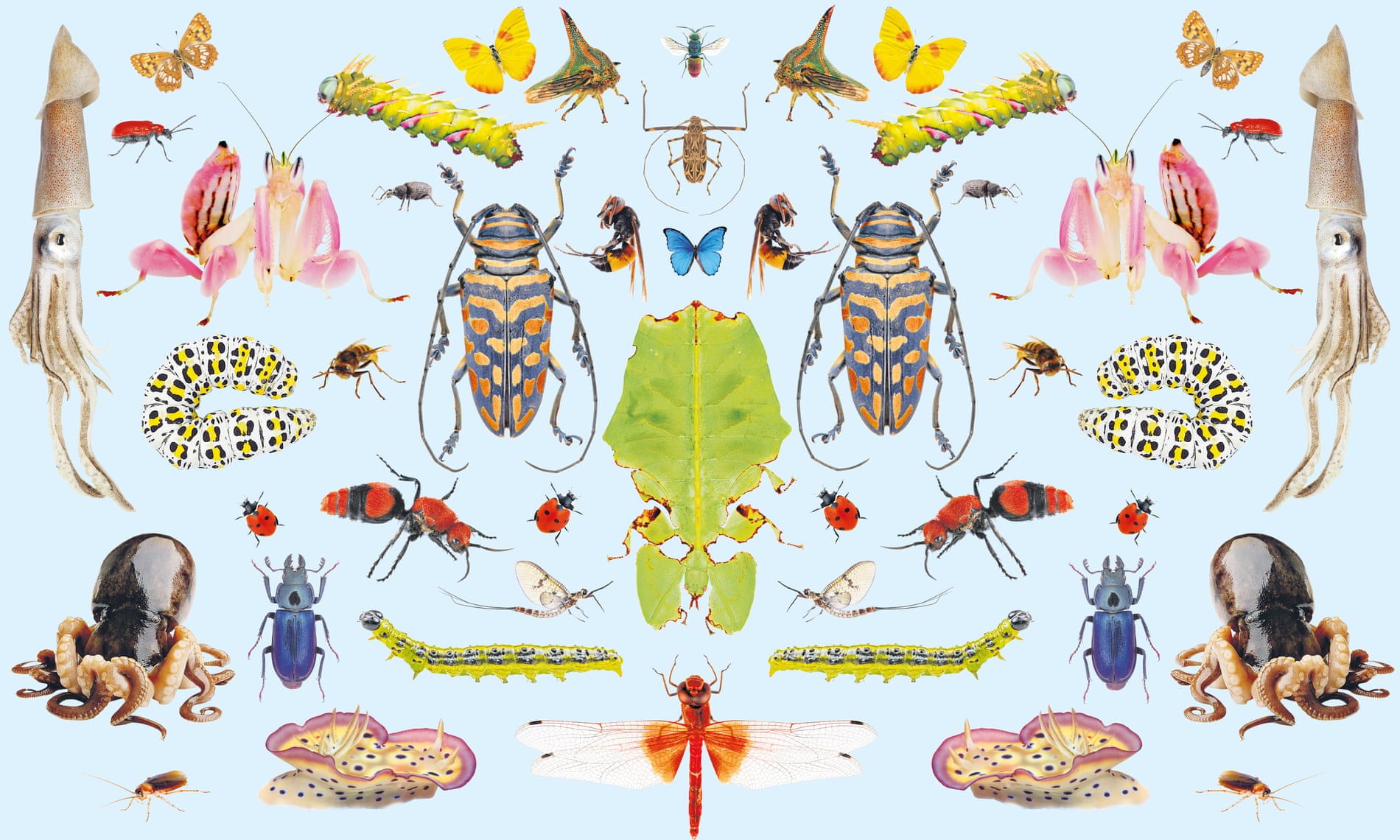
In the world of the systematic taxonomists – those scientists charged with documenting this ever-growing onrush of biological profligacy – the first week of November 2017 looked like any other. Which is to say, it was extraordinary. It began with 95 new types of beetle from Madagascar. But this was only the beginning. As the week progressed, it brought forth seven new varieties of micromoth from across South America, 10 minuscule spiders from Ecuador, and seven South African recluse spiders, all of them poisonous. A cave-loving crustacean from Brazil. Seven types of subterranean earwig. Four Chinese cockroaches. A nocturnal jellyfish from Japan. A blue-eyed damselfly from Cambodia. Thirteen bristle worms from the bottom of the ocean – some bulbous, some hairy, all hideous. Eight North American mites pulled from the feathers of Georgia roadkill. Three black corals from Bermuda. One Andean frog, whose bright orange eyes reminded its discoverers of the Incan sun god Inti.
About 2m species of plants, animals and fungi are known to science thus far. No one knows how many are left to discover. Some put it at around 2m, others at more than 100m. The true scope of the world’s biodiversity is one of the biggest and most intractable problems in the sciences. There’s no quick fix or calculation that can solve it, just a steady drip of new observations of new beetles and new flies, accumulating towards a fathomless goal.


An Oxysternon conspicillatum dung beetle from South America
Pinterest
 An Oxysternon conspicillatum dung beetle from South America. Photograph: Alamy

But even as thousands of new species are being discovered every year, thousands more seem to be disappearing, swept away in an ecological catastrophe that has come to be known as the sixth extinction. There have been five such disasters in the past. The most famous (and recent) is the end-Cretaceous extinction, the one that killed off the dinosaurs 66m years ago. The most destructive was the Permian, the one that cleared the way for the dinosaurs 190m years before that.
To know if we are really in the midst of a sixth extinction, scientists need to establish both the rate at which species are currently vanishing, and the rate at which they would go extinct without human activity (known as the “background rate”). In 2015, using a census of all known vertebrates, a team of American and Mexican scientists argued that animal species are going extinct “up to 100 times” faster than they would without us – a pace of disappearance on a par with the extinction that took out the dinosaurs.
But as Terry Erwin, the legendary tropical entomologist, pointed out to me, these sixth-extinction estimates are “biased towards a very small portion of biodiversity”. When it comes to invertebrates – the slugs, crabs, worms, snails, spiders, octopuses and, above all, insects that make up the bulk of the world’s animal species – we are guessing. “Conservationists are doing what they can, without data on insects,” he said.
To really know what’s going on with the state of the world’s biodiversity, ecologists need to start paying more attention to the invertebrates and spend less time on the “cute and cuddlies” – Erwin’s term for the vertebrates. (Years of hearing about the wonders of gorillas and humpback whales can make a staunch bug man resentful.) After all, there are far, far more of them than there are of us.

We live in an invertebrate world. Of all known animal species, less than 5% have backbones. About 70% are insects. Fewer than one in every 200 are mammals, and a huge proportion of those are rodents. Looked at from the point of view of species diversity, we mammals are just a handful of mice on a globe full of beetles. The great majority of those beetles are herbivores native to the tropics. So if you really want to understand the total diversity of life on Earth – and the true rate at which it is disappearing – you need to figure out how many types of beetle munch on every variety of tropical tree.
But before you can count species, you have to name them. That’s where the taxonomists come in. The idea of species has been notoriously hard for biologists to define, especially since organisms so often exist on a continuum, becoming harder and harder to distinguish the closer they are to each other. The most widely accepted definition comes from the evolutionary biologist Ernst Mayr, who defined species as groups of animals that breed with one another, but not with others – at least not in the regular course of events. (If you force a zebra and a donkey together to make a zonkey, you’ve created one hybrid, not disproved the fact that they are two different species, since such a mating would not normally occur in nature.)


Taxonomists do not just name individual species; they also have to figure out how species are related to each other. Over the centuries, many scientists have tried to fit the world’s creatures into a coherent system, with mixed results. Aristotle tried to classify all life forms based on their essential traits, and in particular, the way they moved. Sedentary animals gave him the most trouble. He seems to have spent a lot of time on the island of Lesbos, puzzling over whether sea anemones and sponges were animals, plants, or plant-like animals.
The real revolution in taxonomy came in the 18th century, during the age of Enlightenment. It was largely the work of one man, Carl Linnaeus, who was hailed as the Isaac Newton of biology. Linnaeus was an odd figure to rise to such heights: a brilliant, headstrong, egotistical showoff with a prodigious knack for remembering the sexual characteristics of plants. He made one major expedition – to Lapland, in Sweden’s north – but mostly relied on the discoveries of others. He inspired 17 “apostles” to venture into the world in search of specimens to complete his system. Seven never came home. Based on their collective work, he named 7,700 species of plants and 4,400 species of animals.
Later biologists found much to quibble with in Linnaeus’s system. For instance, he grouped hedgehogs and bats together as “ferocious beasts”, and shrews and hippos together as “beasts of burden”. Linnaeus’s lasting achievement was not in creating the groups themselves, but the system by which all subsequent species would be named. He decreed that all species should have a two-part name. The first part indicates the genus to which a species belongs, and the second part is the species name.


The Neopalpa donaldtrumpi moth
Pinterest
 The Neopalpa donaldtrumpi moth. Photograph: Vazrick Nazari/ZooKeys

This is a brilliantly efficient system for both naming and sorting. With it, we can tell in an instant that we, Homo sapiens, are both related to, and distinct from, our evolutionary relatives Homo erectus and Homo habilis. It is also a source of considerable fun for taxonomists. Presidential names – the bushiobamai and donaldtrumpi (a remarkably coiffed moth) – reliably grab headlines. Less frequently, species names invoke politics or recent events. A Brazilian mayfly received the species name tragediae, to commemorate the catastrophic collapse of a dam in 2015. Taxonomists are also not above the occasional pun or rhyme. Terry Gosliner, an expert on nudibranchs, or marine sea slugs, once giving the name Kahuna to a species belonging to genus Thurunna from Hawaii, to make Thurunna kahuna.
Gosliner found his first nudibranch while still at high school. Since then he has travelled the world in search of them, and has named more than 300 in his 40-year career. As denizens of coral reefs, sea slugs are particularly sensitive to rising sea temperatures. Some scientists think climate change and ocean acidification might cause reefs to vanish entirely in the next 50 to 100 years. Gosliner tends to be a bit more optimistic, emphasising the reefs’ ability to bounce back from stress. But while corals reefs face peril in the seas, an even greater crisis could be developing for insects on land – the true dimensions of which entomologists are only beginning to grapple with.

Before entomologists could ponder the terrifying possibility of an insect mass extinction, they first had to come to grips with the true scale of insect diversity. They are still struggling to do that now. But for many, the breakthrough moment came in 1982, with a brief paper published by a young beetle specialist named Terry Erwin.


Erwin wanted to figure out how many species of insect lived on an average acre of rainforest in Panama, where he was working. To do this, he covered a single tree in sheeting and “fogged” it, by blasting it with insecticide from a device resembling a leafblower. He waited several hours while dead bugs cascaded on to the plastic sheeting he had spread on the ground. He then spent months counting and sorting them all. What Erwin found was startling: 1,200 species lived on this one tree. More than 100 lived on this particular tree and nowhere else. Scaling this result up, Erwin estimated that there are 41,000 different species in every hectare of rainforest, and 30m species worldwide.
This estimate quickly became famous, and controversial. Erwin is widely respected in the field. He has been commemorated in the names of 47 species, two genera, one subfamily and one subspecies – a good gauge of respect in the entomological community, where, according to the International Commission on Zoological Nomenclature, naming a species after yourself is forbidden by custom, but not law. Still, many entomologists are sceptical about Erwin’s wilder estimates, and more recent studies have tended to revise the 30m number down somewhat. But Erwin remains intransigent. “It’s like Wyatt Earp and Billy the Kid, these kids out here taking potshots at me. None of them have any data,” he told me recently. “They’re just sitting in that office throwing numbers around.” He thinks the real number might be as high as 80m, or even 200m – and that a large number of these species are in the process of vanishing without anyone being around to even notice.


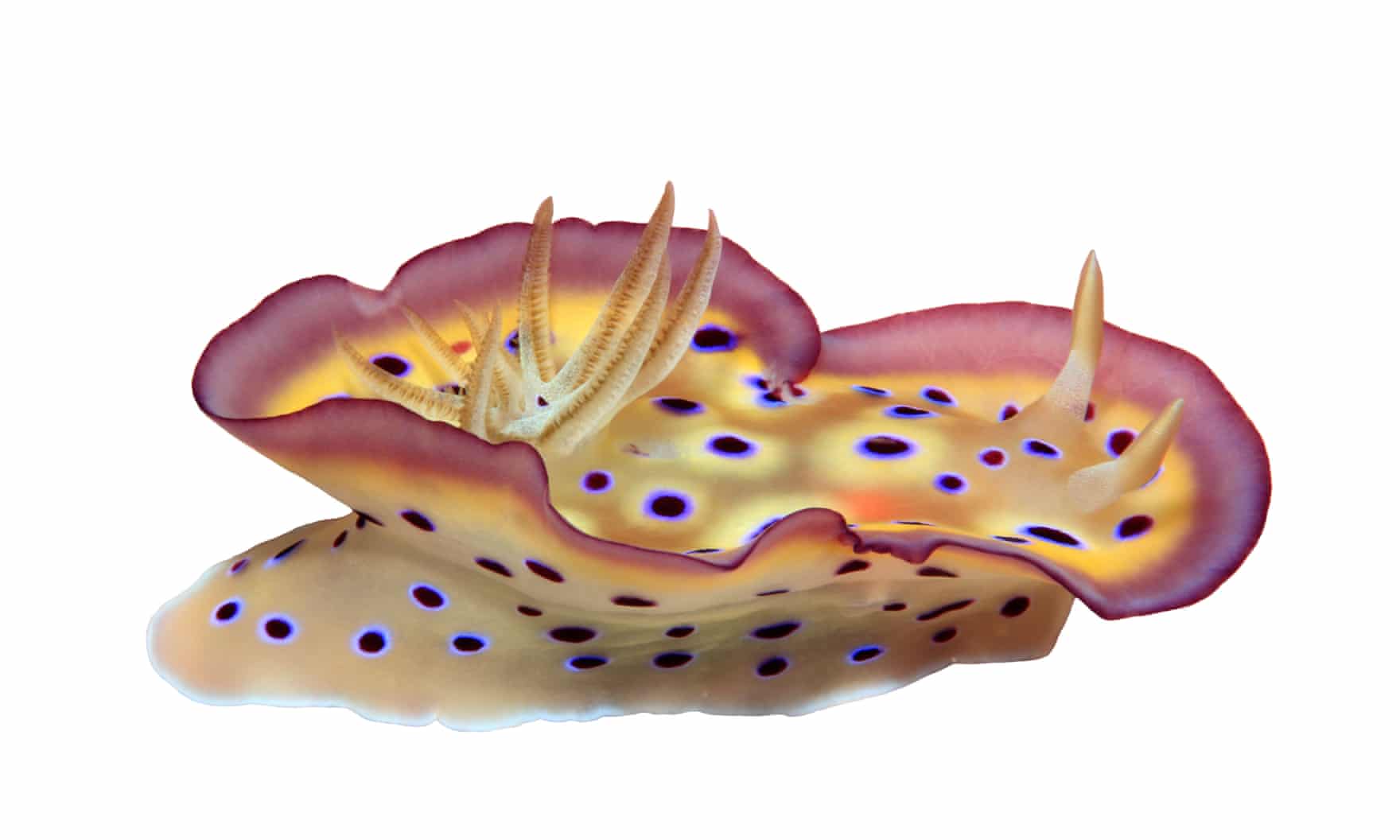
A nudibranch sea slug, Chromodoris kuniei, from the Solomon Islands
 A nudibranch sea slug, Chromodoris kuniei, from the Solomon Islands. Photograph: Alamy

Everywhere, invertebrates are threatened by climate change, competition from invasive species and habitat loss. Insect abundance seems to be declining precipitously, even in places where their habitats have not suffered notable new losses. A troubling new report from Germany has shown a 75% plunge in insect populations since 1989, suggesting that they may be even more imperilled than any previous studies suggested.
Entomologists across the world have watched this decline with growing concern. When Brian Fisher, an entomologist at the California Academy of Sciences with a particular expertise in ants, arrived in Madagascar in 1993, he expected he would be able to describe some new species, but he had no idea of the extent of the riches he would find there. “Everything was new. It was like it was in the 1930s,” Fisher said. In that time, he has identified more than 1,000 new species of ant, including some whose adults feed exclusively on the blood of their own young, a group he has nicknamed the “Dracula ants”.
A thousand ants is quite a lot, but scientists have identified 16,000 species – so far. To a layperson like me, they all seem basically alike. Some are brown, some are black, some are cinnamon-coloured, but other than that, they look pretty much like the (invasive, Argentine) ants that swarm my kitchen in California every time it rains. To an expert like Fisher though, they are as different from one another as warblers are to a birder. Under a microscope, each ant positively bristles with identifying features in their flagellate hairs, their segmented antennae, and most of all, in their mandibles, which under magnification look like diabolical garden shears.


In the decades since Fisher started making expeditions to Madagascar, deforestation has accelerated, and today only 10% of its virgin forests remain intact. Fisher says that “in 50 years I can’t imagine any forest left in Madagascar”. According to Wendy Moore, a professor of entomology at the University of Arizona, who specialises in ant nest beetles, “There is a sense of running out of time. Everyone in the field who is paying attention feels that.” Because many insects depend on a single plant species for their survival, the devastation caused by deforestation is almost unimaginably huge. “Once a certain type of forest vanishes, thousands, or tens of thousands, or hundreds of thousands of species will vanish,” Erwin told me. “Deforestation is taking out untold millions of species.”
While we still don’t have a clear idea of what’s happening to insects at the species level, we are in the midst of a crisis at the population level. Put simply, even if many kinds of insects are holding on, their overall numbers are falling drastically. The alarming new data from Germany, which was based on tracking the number of flying insects captured at a number of sites over 35 years, is one warning sign among many. According to estimates made by Claire RĂ©gnier of the French Natural History Museum in Paris, in the past four centuries, as many of 130,000 species of known invertebrates may have already disappeared.
Various kinds of anecdotal evidence appear to support these observations. The environmental journalist Michael McCarthy has noted the seeming disappearance of the windscreen phenomenon. Once, he writes, “any long automobile journey,” especially one undertaken in summer, “would result in a car windscreen that was insect-spattered”. In recent years this phenomenon seems to have vanished.


A violin or fiddler beetle, Mormolyce phylloies, from Asia
Pinterest
 A violin beetle, Mormolyce phylloies. Photograph: Alamy

Although insecticides have been blamed for the declines in Europe, Erwin thinks the ultimate culprit is climate change. The location he has been observing in Ecuador is pristine, virgin rainforest. “There’s no insecticides, nothing at all,” he said. But gradually, almost imperceptibly, in the time he has been there, something has changed in the balance of the forest. Studying the data, Erwin and his collaborators have found that over the past 35 years, the Amazon rainforest has been slowly dying out. And if the forest goes, Erwin tells me, “everything that lives in it will be affected”.
If this trend were to continue indefinitely, the consequences would be devastating. Insects have been on Earth 1,000 times longer than humans have. In many ways, they created the world we live in. They helped call the universe of flowering plants into being. They are to terrestrial food chains what plankton is to oceanic ones. Without insects and other land-based arthropods, EO Wilson, the renowned Harvard entomologist, and inventor of sociobiology, estimates that humanity would last all of a few months. After that, most of the amphibians, reptiles, birds and mammals would go, along with the flowering plants. The planet would become an immense compost heap, covered in shoals of carcasses and dead trees that refused to rot. Briefly, fungi would bloom in untold numbers. Then, they too would die off. The Earth would revert to what it was like in the Silurian period, 440m years ago, when life was just beginning to colonise the soil – a spongy, silent place, filled with mosses and liverworts, waiting for the first shrimp brave enough to try its luck on land.

Conserving individual insect species piecemeal, as is done with most endangered mammals, is extremely difficult. Not only are the numbers mind-boggling, but insects and other invertebrates don’t tend to have the same cachet. Polar bears and humpback whales are one thing; soft-bodied plant beetles from the Gaoligong mountains of Yunnan are quite another.
Advertisement
Not long ago, I took a trip to the first wildlife refuge established with the express purpose of protecting an endangered insect, the Antioch Dunes National Wildlife Refuge, about an hour’s drive north-east of Berkeley, California. The reserve is small – only 55 acres, hemmed in on three sides by a chain-link fence, and by the San Joaquin river on the fourth – and, in truth, the Dunes do not dazzle the eye. The terrain resembles an unlovely, overgrown plot of land intended for development at some unspecified point in the future. The day I went, three vultures huddled around the body of a cat while the turbines of a wind farm spun lazily on the opposite bank of the river.
Once, however, these dunes were a miniature Sahara, home to a number of animals and plants that existed nowhere else. It took decades before that fact became apparent to biologists, and by then, it was very nearly too late. When white settlers arrived in California, the dunes were seen simply as a source of raw materials. The dune sand was unusually well-suited for brickmaking, and between the San Francisco earthquake of 1906 and the postwar housing boom, most of the sand was mined out and turned into buildings. Once the dunes were gone, most of the land they formerly stood on was built up.
It wasn’t until the 1960s that biologists began to realise how special the Antioch Dunes were. By that point, only three native species remained. There were two plants – the Contra Costa wallflower and the Antioch Dunes evening primrose – and one insect, the Lange’s metalmark butterfly. The metalmark butterfly is tiny, with a wingspan about the size of thumbnail. A pretty brown-and-orange with white spotting, they are weak flyers, capable of travelling a maximum 400 metres (1,300ft) after they emerge from their chrysalises for seven to nine days every August.


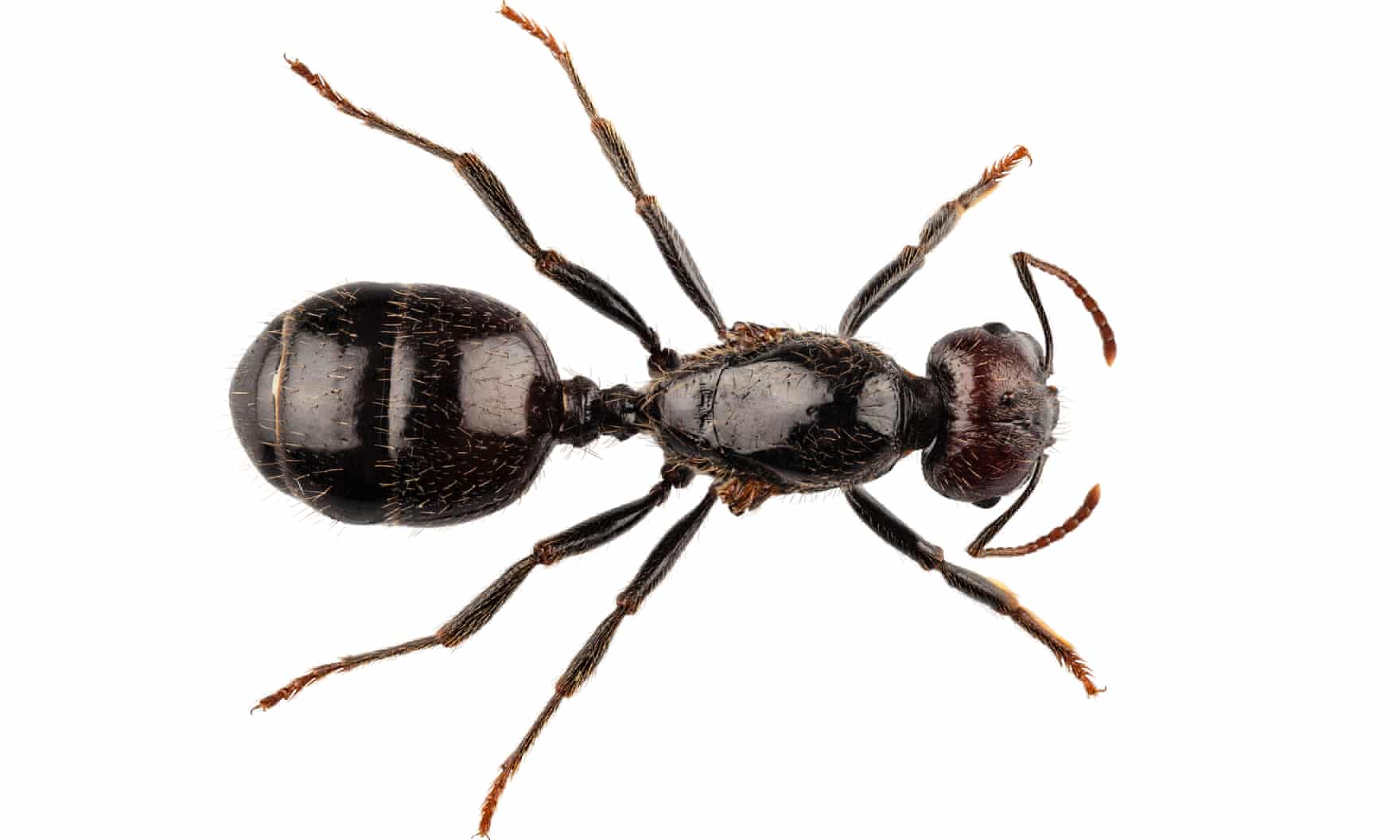
A black garden ant, Lasius niger
 A black garden ant, Lasius niger.Photograph: Alamy

After the Dunes Reserve was established in 1980, the butterfly enjoyed a brief resurgence. Today, it is struggling. At last count, there were only 67 individuals in the park. The Lange’s lay their eggs on one plant and one plant only: the naked-stemmed buckwheat, which is currently being choked out by weeds. The only other population of Lange’s is kept in a captive-breeding programme at Moorpark College in Simi Valley, California. If something should happen to these, it would be the end of the species.
Advertisement
In a bid to save the butterfly, the US Fish and Wildlife Service has recently begun a bold experiment in habitat restoration, covering much of the refuge in sand. Spread a metre deep, the sand suffocates invasive plants, allowing the species that originally evolved on the dunes to reclaim their lost ground. “If we can bring back the environment, we can bring back the butterfly,” wildlife refuge manager Don Brubaker told me. The day I visited, his co-worker, refuge specialist Louis Terrazas, spotted a hopeful sign. The season’s first shoots of native primrose had just started peeking out above the sand. Given time, this remnant of a remnant might spring back to life.
When I asked Brubaker if his painstaking efforts on behalf of the Lange’s was worth all the trouble, he replied: “Why protect the species? Why not? Because it’s what we do – we’re enabling the planet to keep functioning.”
In some ways, the tiny ranges of invertebrates like the Lange’s Metalmark Butterfly make them perfect targets for protection. Sarina Jepsen is the director of endangered species and aquatic conservation at the Xerces Society, a Portland, Oregon-based non-profit focusing on invertebrates. She told me that for insects, “often small patches of land can make a huge difference,” unlike what is needed for, say, wolf or tiger conservation. “We don’t necessarily need hundreds of thousands of acres to make a difference with these species,” she said. Even so, the amount of work that goes into saving even a single species can sometimes feel overwhelming. It isn’t enough to save one in a lab. You have to rescue whole environments – the products of complex interactions between plants, animals, soil and climate that have built up over millennia.
At a certain point, it becomes clear that to even think about extinction in terms of individual species is to commit an error of scale. If entomologists’ most dire predictions come true, the number of species that will go extinct in the coming century will be in the millions, if not the tens of millions. Saving them one at a time is like trying to stop a tsunami with a couple of sandbags.

Like many of the species they study, taxonomists are presently at risk of becoming a dying breed. Faculty hires, museum posts and government grants are all declining. Fewer students are drawn to the field as well. All too often, taxonomy gets dismissed as old-fashioned and intellectually undemanding, the scientific equivalent of stamp collecting. Molecular biology, with its concern for DNA, proteins and chemical processes within individual cells, dominates curriculums and hoovers up grant money. “All the university courses are oriented towards it, and so is the funding,” says Terry Erwin.
Meanwhile, the new species keep piling up. Already today, as I’m writing, ZooKeys and Zootaxa, two of the largest and most prolific taxonomic journals, have announced the discovery of a potter wasp from South America, a water scavenger beetle from the Tibetan plateau, an erebid moth, an Andean scarab beetle, two Korean crustaceans and a whole genus of parasitoid wasps (don’t worry, we’re safe – the bastards prey on aphids), and it isn’t even noon yet.
What to do with this onrush? Many taxonomists I spoke to admit that it simply isn’t manageable. Brian Fisher confessed that many taxonomists find themselves awed at some point by “the immensity of what we don’t know”. Kipling Will, of the University of California, Berkeley, who has spent two decades studying one subfamily of ground beetles, told me, while gesturing at boxes of samples that had just flown in from Australia: “We do what we can. I have so much undescribed material. It takes decades just to get where we are.” With any species, it takes time to do a proper dissection, test their DNA, compare them to their nearest relatives, and compile all the information necessary to publish something as new. With so many invertebrates being found each year, it’s common for them to spend years, or even decades, in a queue waiting for their coming-out party.


A long-legged spider crab, Macropodia rostrata
Pinterest
 A long-legged spider crab, Macropodia rostrata. Photograph: Alamy

So what to do? And why bother? There are plenty of practical reasons to worry about the fate of invertebrates. They are a vital part of the ecosystems that function as the heart, lungs and digestive system of our planet. Some might carry, inside their exotic biochemistries, cures for any number of diseases. Recently, chemicals harvested from sea slugs have been tested in clinical trials in the US for use as cancer-fighting drugs. Others could be used as natural alternatives to pesticides. But ultimately, it’s not certain that any of these will be enough on its own. The answer could have more to do with aesthetics, or enthusiasm for the living world – the quality EO Wilson named “biophilia”.
When you ask people who work in invertebrate taxonomy why they have devoted their lives to a particular type of insect, snail or clam, the word you hear most often is “beautiful”. Their eyes light up in front of their chosen genus or subclass. The occupants of a case full of slightly iridescent, mostly black beetles will be described as “rather huge and incredibly beautiful”. (Huge is relative, too – they are the size of the final joint of a little finger.) Surrounded by jars full of tiny sea slugs, they will gush about their beauty and the glorious variety of their colour, shape and behaviour. Amy Berkov, a professor of tropical ecology at the City College of New York who works on wood-boring beetles, came to entomology from a background in art and chose her new field, in part, because “there’s nothing more amazing than looking at insects”. Even the ant specialists – generally a pretty hard-nosed-bunch – will trade Latin names of rare ants with the affection you usually hear reserved for old friends.
It’s easy to care about the cute and cuddlies. Soon we’ll be living on a planet that has lost its last mountain gorilla, its last leatherback turtle. A world without tigers or polar bears; what a sad place that will be.
But to think about the coming invertebrate extinctions is to confront a different dimension of loss. So much will vanish before we even knew it was there, before we had even begun to understand it. Species aren’t just names, or points on an evolutionary tree, or abstract sequences of DNA. They encode countless millennia of complex interactions between plant and animal, soil and air. Each species carries with it behaviours we have only begun to witness, chemical tricks honed over a million generations, whole worlds of mimicry and violence, maternal care and carnal exuberance. To know that all this will disappear is like watching a library burn without being able to pick up a single book. Our role in this destruction is a kind of vandalism, against their history, and ours as well.


Take Strumigenys reliquia, one of the ants I heard discussed with such warmth at the California Academy of Sciences. Strumigenys is a predator, a native of the undergrowth, and very rare. It was first discovered in 1986 by Phil Ward of the University of California, Davis. He spotted this incredibly rare species on a two-hectare patch of woods a few miles from his office. It has never been seen anywhere else. Ward thinks there is a reason for this. California rivers were once flanked by giant forests of hardy, flood-resistant, evergreen oaks. Geologists think these riverine forests were a feature of the landscape for at least 20m years. Accounts from early settlers and explorers give an idea of what they might have been like. They write of flocks of geese “blackening the sky”, salmon choking the streams and grizzly bears gathering under the oaks to feed on acorns in troupes of a hundred or more.
Today, except for a few scattered acres like the one Ward found in Yolo County, those forests are gone. They were chopped down long ago for firewood and ploughed under to make way for tomato farms and almond orchards. The salmon, the geese and the grizzlies have all gone too. Only the ant remains. Only it remembers.